
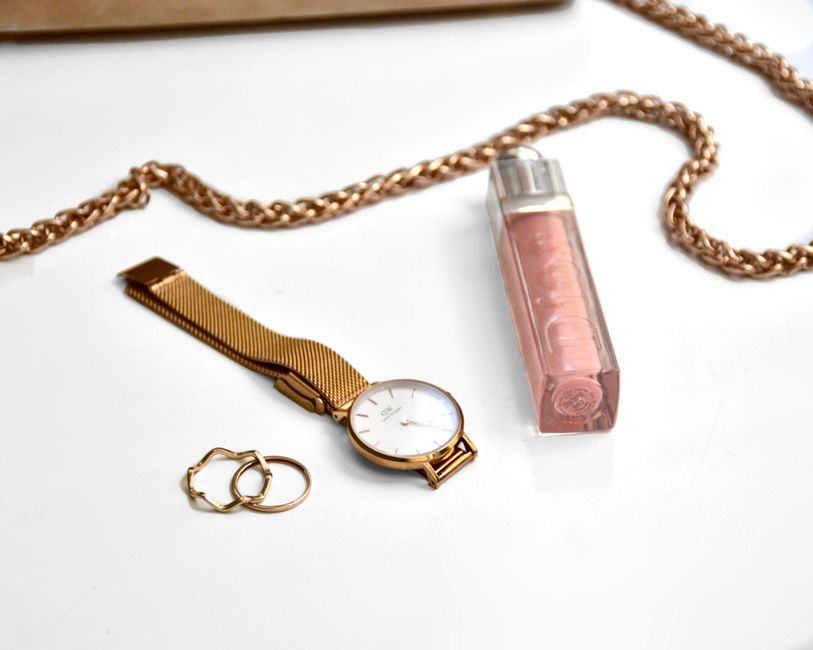
Hong Kong jewelry, watch, clock and valuable-gift sales rose 22% year on year to HK$45.8 billion ($5.8 billion) in the first nine months of 2026. Wealthy buyers turned to gold and gemstones to preserve wealth as Beijing tightened control over offshore investments. The surge took sales to their highest level since 2019, Bloomberg reported, citing the latest government data.
Wealth Moves Under Pressure
The buyers named in the report are wealthy. Their purchases rose even as China’s broader luxury market slowed, with gold and gemstones serving as a way to preserve wealth. The explanation is direct: Beijing tightens control over offshore investments, and wealthy buyers seek a haven in precious materials.
The figures make the hierarchy clear. State control shapes the choices available to people with substantial wealth, and those buyers shift toward jewelry and gemstones. The report doesn’t say what options people without the money to buy those goods have. It does show who’s making the purchases and what concern drives them.
Hong Kong’s jewelry, watch, clock and valuable-gift sales reached HK$45.8 billion ($5.8 billion) over the first nine months of 2026. Bloomberg cited the latest government data for the figure. Sales rose 22% year on year. The sector reached its highest level since 2019.
A Retail Sector Outpaces the Rest
These goods made up about 15% of Hong Kong’s total retail sales. Their growth far outpaced overall retail sales, according to government data cited by Bloomberg. The contrast is sharp: while broader luxury demand in China slowed, a sector benefiting from wealthy buyers’ search for a wealth haven expanded.
The report doesn’t identify individual buyers, name jewelry companies, or describe how purchases took place. It gives no breakdown among jewelry, watches, clocks and valuable gifts, and it doesn’t say how much of the increase came specifically from gold or gemstones. What it does report is an overall rise and wealthy buyers’ stated motive: preserving wealth amid tighter control over offshore investments.
No Public Fix in the Report
There’s no election campaign, legislative proposal, nonprofit group or community response in the account. No direct action or mutual aid appears in the reported details. Instead, the story follows a government policy affecting offshore investments and wealthy buyers’ response: purchases of gold and gemstones. It doesn’t claim those purchases change the policy or loosen Beijing’s control.
That distinction matters. The sales figures show where wealthy buyers are directing money; they don’t show people outside that buying class gaining a new way to protect their resources. The report also doesn’t describe what the broader luxury slowdown means for other people in China or Hong Kong. Its account is narrower: control over offshore investments is tightening, wealthy buyers are seeking a wealth haven, and one retail sector has surged as a result.
The numbers capture a market response, not a collective answer to the power behind it. Hong Kong’s jewelry, watch, clock and valuable-gift sales climbed to HK$45.8 billion ($5.8 billion), while the report links wealthy buyers’ turn to gold and gemstones to Beijing’s tighter control. That’s the full measure of what the figures show.
- hong kong
- jewelry sales
- gold
- gemstones
- wealth preservation
- luxury retail
- china
- retail sales