
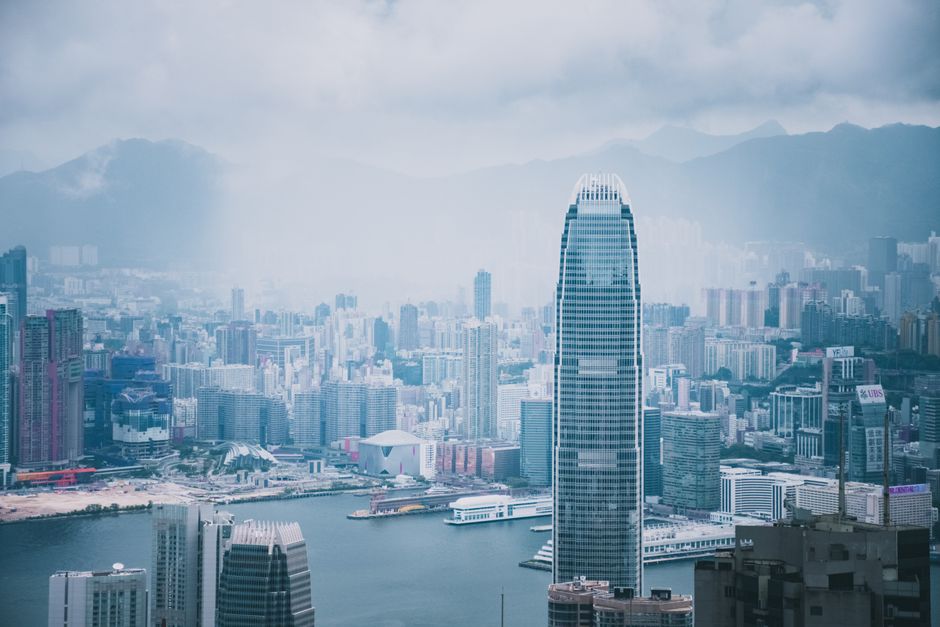
Hong Kong has ranked as the second-most globally competitive economy, its best performance in seven years, in a ranking that measures government efficiency, infrastructure, economic performance and business efficiency. The Switzerland-based International Institute for Management Development released the ranking on Thursday, placing Hong Kong ahead of 68 other economies among the 70 surveyed and behind only Singapore.
Who Gets Measured, Who Gets Managed
The report’s language is polished, but the hierarchy is plain enough: a city is being judged by an outside institution on how efficiently it serves capital, administration and the machinery that keeps both moving. Hong Kong climbed one spot from last year to land behind Singapore, ahead of Switzerland and Taiwan. The International Institute for Management Development said the rise to second place was built on three consecutive years of improvement and “reinforced the dominance of Asian economies at the top of the ranking”.
That dominance is not some neutral scoreboard miracle. It is the language of competition turned into governance, with economies ranked like obedient students and the winners celebrated for their ability to keep the apparatus running smoothly. The report said Hong Kong’s rise reflected sustained performance across the four competitiveness factors measured: government efficiency, infrastructure, economic performance and business efficiency.
The People at the Bottom Don’t Get Ranked, They Get Ruled
The ranking marks a rebound from 2023, when Hong Kong was ranked No. 7, and matched its No. 2 position in 2019. In 2017, it was ranked No. 1 among 63 economies. Those numbers show the churn of elite benchmarking, where the city’s standing rises and falls according to how well its institutions satisfy the criteria set by a Switzerland-based management body.
What is absent from the ranking is any measure of what ordinary people pay for this “competitiveness.” The report does not ask who absorbs the pressure when government efficiency is praised, or who is expected to endure the costs of infrastructure, economic performance and business efficiency being optimized for the top. It simply tallies the results and hands out prestige.
What the Ranking Celebrates
Hong Kong’s best showing in seven years is presented as a sign of strength, but the report’s own framing makes clear what kind of strength is being rewarded: sustained performance across systems that keep power concentrated and business interests moving. The city’s rise to second place was built over three consecutive years of improvement, according to the institute.
The ranking placed Hong Kong ahead of 68 other economies among the 70 surveyed, with Singapore at No. 1. Switzerland and Taiwan followed behind Hong Kong. The report said the city’s rise reflected the four competitiveness factors it measured, turning governance and infrastructure into metrics for elite approval.
The result is a familiar ritual of managed consent: institutions with the authority to define “competitiveness” announce who is doing well, and the rest are expected to accept the terms. The report’s praise for government efficiency and business efficiency does not describe freedom from domination. It describes how well the system performs for those already positioned to benefit from it.