
A fatal shooting during an immigration enforcement operation in Houston has escalated into an international incident, with Mexico announcing Thursday it will seek criminal charges over 17 Mexican nationals who died in ICE custody or during enforcement actions under the Trump administration.
Lorenzo Salgado Araujo, a Mexican national who'd lived in the United States for 35 years, was shot and killed Tuesday by an ICE officer as he drove a work van carrying his construction crew to a job site. The Department of Homeland Security said federal officers were searching for a different person they'd targeted weeks earlier when they attempted to stop Salgado Araujo's vehicle. DHS said he rammed an ICE vehicle before an officer fired in self-defense.
No Body Camera Footage
The officers involved weren't wearing body cameras, ICE confirmed Thursday. DHS later said the agents are expected to receive cameras in the next 60 days. Few photos or videos of the shooting have emerged publicly, unlike other deaths involving federal immigration officers.
A bystander video shot by Juliet Martinez showed the aftermath: a black vehicle angled toward a white van, both with doors open, a bleeding and handcuffed man groaning on the ground with his leg shaking. ICE detained at least three other men at the scene, including Salgado Araujo's brother, according to the family. The agency hasn't released the names of those detained or said whether the officers involved are on leave.
Salgado Araujo's family said he'd nearly completed the process of obtaining legal status after 35 years in the country. His son, Ronaldo Salgado, said his father may have been scared that people in unmarked vehicles were coming to steal his work tools. The family said Salgado Araujo had no criminal record, built houses in Houston suburbs, started his own business and established his own crew.
Eighth Death Under Current Enforcement Campaign
The shooting marks at least the eighth death during the Trump administration's immigration enforcement campaign. No immigration officers have been charged in any of the deaths. Video footage in several previous shootings contradicted the accounts of federal officers, according to the base reporting.
The most well-known killings happened during the winter crackdown in Minnesota, where U.S. citizens Renee Good and Alex Pretti were shot and killed during protests. Two other shooting deaths occurred during traffic stops, including Ruben Ray Martinez, 23, who was killed in Texas about 1 year and 4 months ago. His death wasn't disclosed for nearly a year.
Mexico Escalates Response
Mexican Foreign Minister Roberto Velasco said Thursday during a presidential press conference that complaints will be filed against whoever is found responsible for the deaths. They'll be submitted to state prosecutor offices and the U.S. Department of Justice. President Claudia Sheinbaum said it was time to escalate Mexico's complaints beyond diplomatic channels after Salgado Araujo's killing.
"We are going to do everything in our power, because we cannot stand silent" in the face of the deaths of Mexicans "whose only crime is working honestly in the United States," Sheinbaum said.
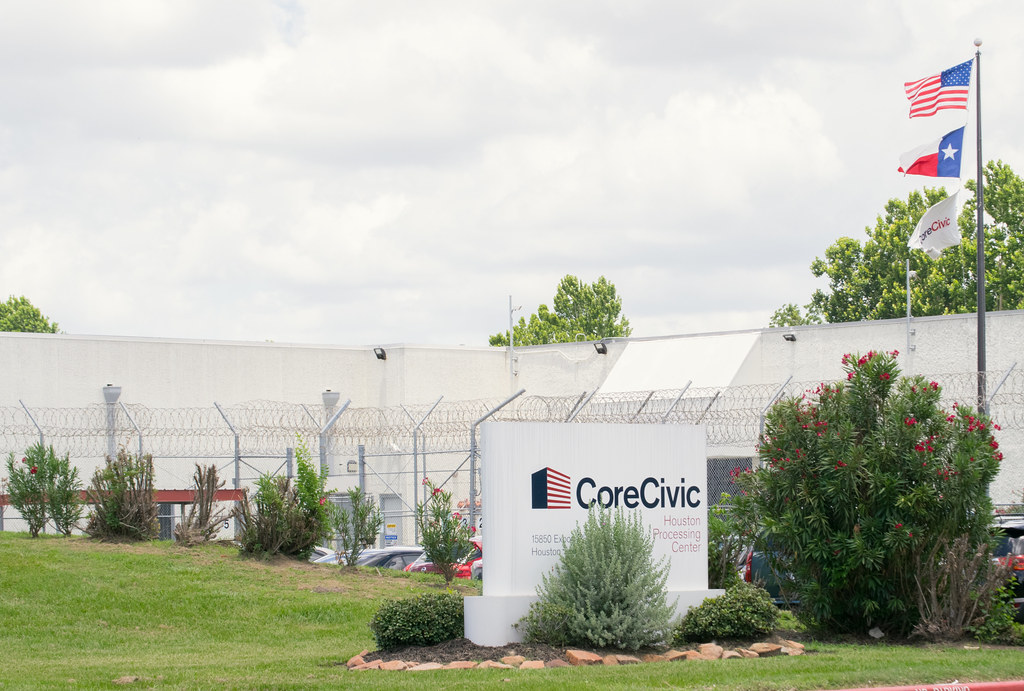
Mexico said the criminal complaints would be accompanied by civil lawsuits against companies that operate detention centers. The Mexican government said 14 Mexicans have died while in ICE custody and three during ICE operations. It had previously sent diplomatic notes to Washington demanding investigations, raised the issue with the Inter-American Commission on Human Rights, ordered consulates to regularly check in with ICE detainees and lodged a complaint with the U.N. High Commissioner for Human Rights.
Local Investigation Proceeds
Harris County District Attorney Sean Teare said Salgado Araujo's family and the community deserve the truth. His office said it was pursuing investigative avenues available to it and would review any information within its reach. Houston Mayor John Whitmire said city police weren't involved in any part of the chase or shooting and have no jurisdiction over federal officers.
Why This Matters:
The absence of body cameras on federal immigration officers conducting enforcement operations raises serious questions about accountability and the rule of law. When officers use lethal force, the public has a legitimate interest in verifying official accounts through independent evidence. The delay in equipping agents with cameras—expected in 60 days—means crucial evidence from this and other incidents simply doesn't exist. Mexico's decision to pursue criminal charges represents an unprecedented escalation that could strain diplomatic relations and complicate cross-border cooperation on trade, security and migration management. The fact that video evidence in several previous shootings contradicted federal officers' accounts suggests systemic problems in how these operations are conducted and reviewed. For a nation built on individual rights and due process, the pattern of deaths without charges or comprehensive investigations undermines public confidence in federal law enforcement. The international dimension adds complexity that could affect bilateral relations worth hundreds of billions in annual trade.