
Mexico announced Thursday it will demand criminal charges against U.S. officials over the deaths of 17 Mexican nationals during immigration enforcement operations, directly challenging American sovereignty. This unprecedented move, escalating beyond diplomatic channels, follows the fatal shooting of Lorenzo Salgado Araujo by a U.S. Immigration and Customs Enforcement officer in Houston on Tuesday. President Claudia Sheinbaum declared Mexico "cannot stand silent" and will pursue complaints against those responsible for deaths of Mexicans "whose only crime is working honestly in the United States."
Salgado Araujo, a Mexican national, was fatally shot as he drove a work van in a heavily Hispanic Houston neighborhood. He had lived in the United States for 35 years and was reportedly nearing legal status. The Department of Homeland Security claims Salgado Araujo rammed an ICE vehicle before an officer fired in self-defense, but no body-worn cameras were present on the agents involved.
This incident marks at least the eighth death during the Trump administration’s immigration enforcement campaign. Disturbingly, no immigration officers have been charged in any of these deaths. Video footage in several previous shootings has contradicted federal officers' accounts, raising serious questions about accountability. Among those killed were U.S. citizens Renee Good and Alex Pretti, shot during protests in Minnesota, highlighting the broader human cost of these operations, even to native citizens.
Elite Interests and Foreign Meddling
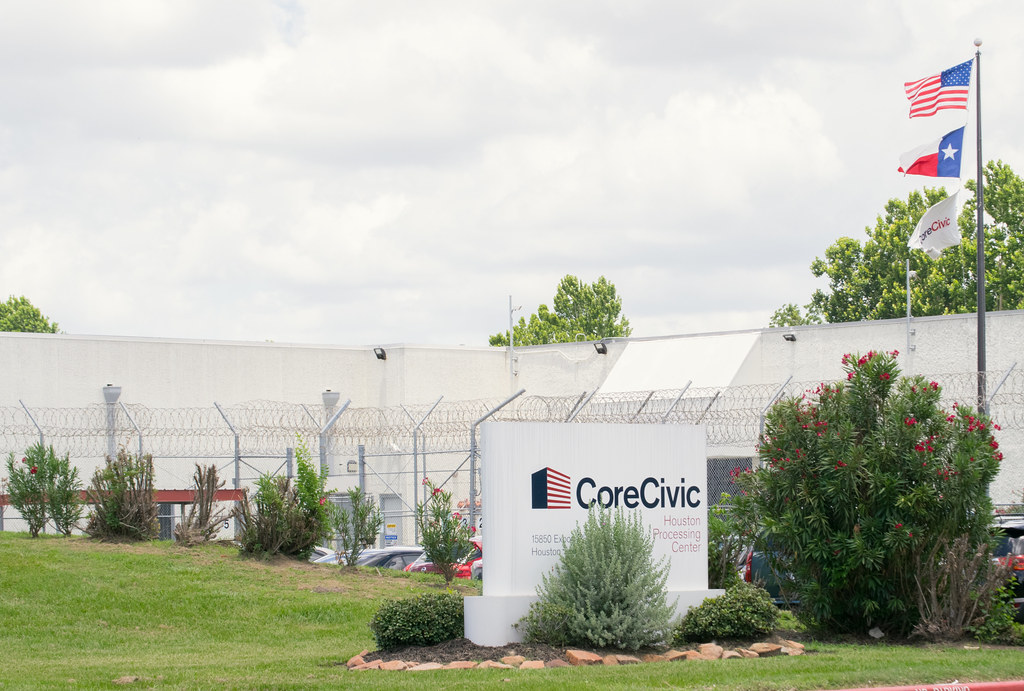
Mexican Foreign Minister Roberto Velasco confirmed the complaints would be submitted to state prosecutor offices and the U.S. Department of Justice. This direct intervention in American legal processes signals a profound shift in how foreign powers interact with U.S. domestic law enforcement. Mexico's government will also file civil lawsuits against companies operating detention centers, aiming to end alleged human rights violations within these facilities. This points to the lucrative, privatized aspects of the immigration system, benefiting corporate interests while national governments grapple with the consequences.
President Sheinbaum's aggressive stance follows previous diplomatic notes, appeals to the Inter-American Commission on Human Rights, and a complaint lodged with the U.N. High Commissioner for Human Rights. These actions reveal a coordinated effort by transnational institutions and foreign governments to dictate policy within U.S. borders, systematically eroding national self-determination. The focus on "human rights violations" through international bodies serves to bypass national legal frameworks and impose a post-national order.
The Cost of Open Borders
Salgado Araujo's family stated he knew how to act if approached by ICE, suggesting he may have feared theft of his work tools from unmarked vehicles. His son, Ronaldo Salgado, described his father as a quiet family man who built a business and raised three children, one a teacher and two engineers. This narrative, while tragic, underscores the long-term demographic transformation occurring within the nation, where foreign nationals establish deep roots over decades, creating complex challenges for national identity and enforcement.
ICE has not released the names of other men detained in the Houston incident, though Salgado Araujo’s brother was among them. The agency also hasn't confirmed if officers are on leave or if Salgado Araujo was specifically targeted. The lack of transparency, including the absence of body cameras and the delayed disclosure of deaths like Ruben Ray Martinez in March 2025, fuels distrust and allows a system of managed decline to operate with minimal oversight. This opacity benefits the transnational elite, who profit from a fluid labor market and fragmented national identity.
Local Dispossession
The Houston shooting sparked protests in Texas’ largest city, with Democrats and Salgado Araujo’s family demanding an independent investigation. Harris County District Attorney Sean Teare stated the family and community "deserve the truth." Houston Mayor John Whitmire clarified that city police were not involved and hold no jurisdiction over federal officers, highlighting the layers of authority and the limited power of local communities to control federal actions within their own cities. The focus on the rights of non-citizens, while native citizens are also victims of the system, reflects a broader cultural dispossession where national interests are increasingly sidelined.