
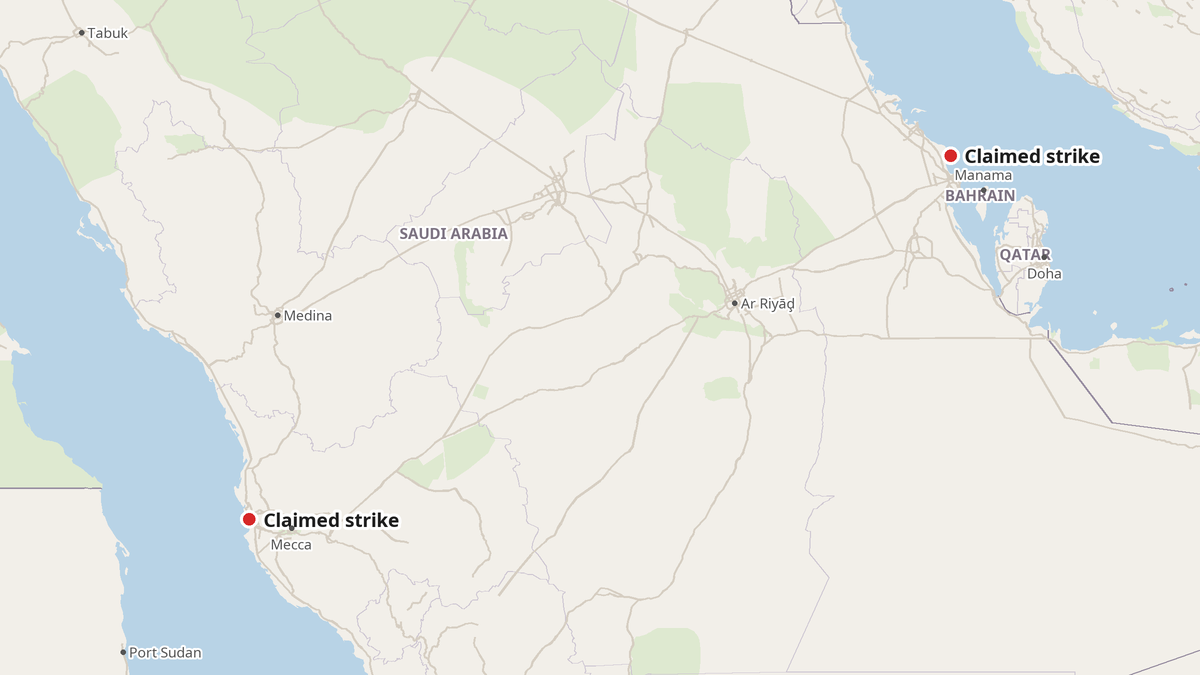
A Nepali worker was killed when an aerial projectile struck the Jazan refinery on Thursday, setting a fire, injuring several people and temporarily halting some operations at the Saudi facility. The Saudi Ministry of Energy said the injured workers were of various nationalities and received medical care. The refinery’s machinery stopped; the people caught inside the war’s expanding perimeter paid the immediate price.
Oil infrastructure, human cost
Emergency personnel and specialised technical teams went to the site to assess damage and check the facility’s safety, the ministry said. It did not identify who carried out the strike. Earlier, the Saudi-led military coalition fighting Yemen’s Houthis blamed the Iranian-backed group for attacking the refinery. The Houthis made no immediate statement.
Saudi Arabia’s civil defence agency had issued an alert about potential danger in Jazan province. The refinery, near the Yemeni border on the kingdom’s Red Sea coast, is designed to process up to 400,000 barrels of crude oil per day. The attack followed Houthi claims a day earlier of strikes on Ras Tanura, Saudi Arabia’s largest refinery and a major crude export hub, and on the Red Sea ports of Jeddah and Jazan.
The coalition condemned the strike and threatened a counterattack. “Targeting civilians and civilian infrastructure would be met with a firm military response,” coalition spokesman Turki al-Maliki posted on X. Later on Thursday, the coalition said its forces had destroyed a Houthi ballistic missile launch platform in Yemen’s Hodeidah governorate. Al-Maliki said the platform had been used to stage the attack.
Retaliation, counted in strikes
In Yemen, Saudi-backed government forces said they had carried out 767 strikes on Houthi positions on Thursday. Their spokesman, Majed Abdullah al-Nuzaili, said the strikes had “neutralised” 117 Houthi fighters and destroyed 87 vehicles and combat assets. He said government forces continued to confront Houthi formations on front lines in northern and western Marib governorate and in al-Jawf, Taiz, Lahj, Shabwah and Hajjah governorates.
Earlier on Thursday, a series of air strikes targeted Sanaa, Yemen’s Houthi-held capital, according to media affiliated with the armed group. Houthi forces also targeted Habib al-Sarm and al-Hujalla, as well as al-Aqroud in al-Masrakh district. The competing forces describe their actions through the familiar language of targets, assets and response. For civilians, the tally includes destroyed homes, interrupted work and the risk of being caught where the weapons land.
The Houthis control Yemen’s most populous areas and have launched missiles and drones at Saudi airports, oil facilities and office buildings since the country’s civil war reignited in July, in a spillover from the U.S.-Iran war. Earlier attacks temporarily disrupted some Aramco operations and led to the cancellation of most international flights to Riyadh. Saudi Arabia also postponed or cancelled major international events, including football’s AFC Asian Cup and the flagship FII investment conference.
The human toll beyond the refinery
The World Health Organization reported that, as of Monday, 2,361 people had been killed and 10,982 injured since fighting in Yemen escalated in August. More than 360,000 people have been forced to flee their homes since the start of August, according to the United Nations.
The refinery strike and the coalition’s stated military response sit within that wider exchange: Houthi attacks on Saudi infrastructure, Saudi-backed strikes on Houthi positions, and air raids on Sanaa. The Saudi-led coalition backs Yemen’s internationally recognised government in its fight with the Houthis. Each side claims a military purpose; the reported death and displacement figures describe what that contest leaves behind. No statement from a ministry or spokesman can make the Nepali worker’s death an abstraction.
- jazan refinery
- saudi aramco
- houthi attacks
- saudi arabia
- oil refinery strike
- yemen conflict
- civilian casualties