
On Friday, the Saudi-led coalition struck Yemen’s Red Sea port city of Hodeida, along with targets in Sanaa, Saada and Taiz. The Houthis retaliated the next day, and the coalition said it intercepted and destroyed three ballistic missiles headed for Riyadh.
Violence rose after months of hostilities. Coalition spokesman Turki al-Malki said the operation targeted facilities used for smuggling and weapons transport at Hodeida port, as well as missile and drone facilities and a supply depot in Sanaa.
Strikes and retaliation
The coalition called its assault a “special operation.” Al-Malki said its forces had “targeted operational capabilities at Hodeida port that were used in smuggling operations and the transport of weapons and ballistic missiles.” He also said on X that the coalition had hit “military targets” in Sanaa.
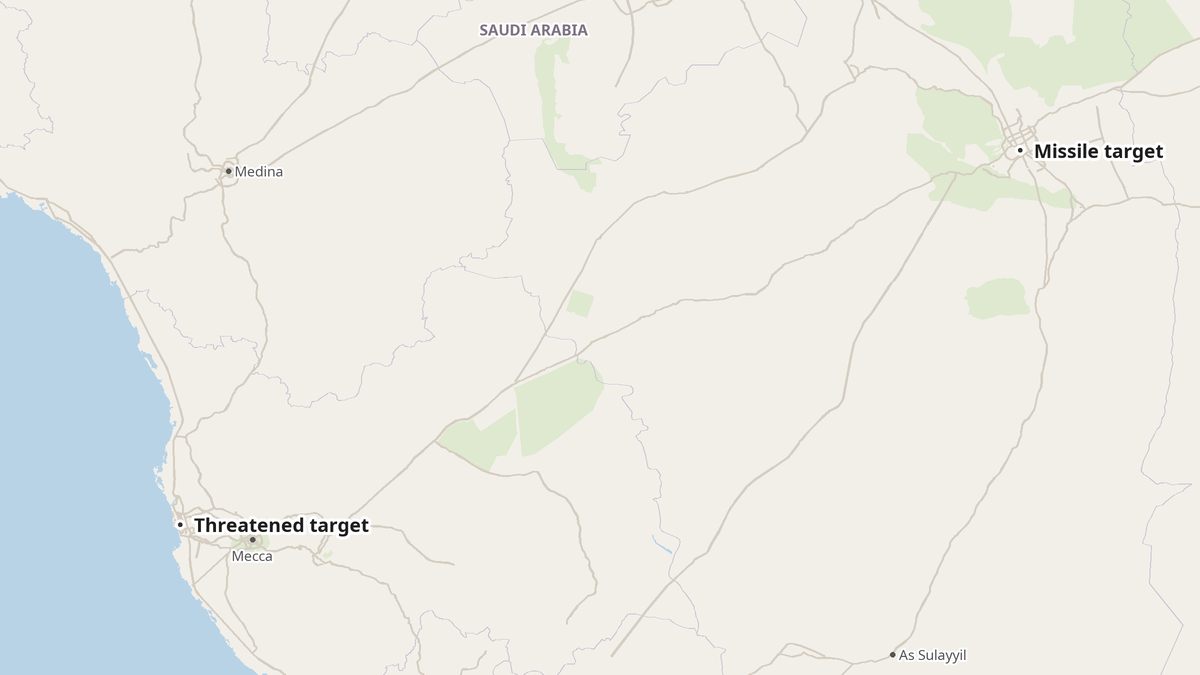
The Houthis said on X they were striking targets across Saudi Arabia, including Riyadh. A journalist reported hearing two explosions in the capital shortly after authorities warned that the city was “under a hostile aerial threat.” Authorities later lifted the alert.
Before the coalition attack, the Houthis threatened to strike Jeddah and other Saudi ports on the Red Sea coast if Hodeida came under attack. The coalition warned civilians to evacuate Hodeida port. The Houthis’ Humanitarian Operations Coordination Centre then emailed shipping companies and other bodies using Jeddah port, telling them to evacuate as well.
The group warned “all airlines that Saudi airspace is unsafe, as it will be the theater of our operations in the coming hours, except for the holy airspace over Mecca and Medina.” It also threatened Riyadh’s financial district and a power station in Al-Shuqaiq. The Houthis urged people to avoid Riyadh’s King Abdullah Financial District, calling it a “military target.” Offices there had been evacuated weeks earlier.
Damage and reported casualties
The coalition said it intercepted two ballistic missiles over the Jizan region, near the Yemen border, and debris fell in Al-Shuqaiq. The Houthi military spokesman said the group had targeted Al-Shuqaiq power station and Jizan port with “accurate and direct” strikes that caused “extensive damage.”
The Houthis’ Al-Masirah television broadcast images of a power station in Mocha damaged in a coalition air raid. The coalition strikes followed a Houthi attack on a tower in Riyadh’s financial district. Witnesses said the attack damaged Riyadh’s tallest skyscraper, which houses Saudi Arabia’s sovereign wealth fund.
The Houthis said coalition strikes had killed 41 people in the previous 24 hours. Yemen’s Saudi-backed armed forces said dozens of airstrikes and drone attacks, along with hundreds of artillery attacks, had killed or wounded 193 Houthi fighters. Those figures couldn’t be independently verified.
Early on Friday, the Houthis accused Saudi forces of striking a civilian boat and killing 19 people. The report couldn’t independently verify the alleged boat strike or the competing casualty figures.
War and territorial shifts
Saudi Arabia backs Yemen’s internationally recognized government against the Houthis. The conflict intensified again after a four-year truce collapsed in July, and the two sides have exchanged attacks since then.
This month, Yemen’s Saudi-backed government forces withdrew from areas near the Red Sea’s Bab al-Mandab strait, ceding territory to the Houthis. The group launched a sweeping offensive in September and advanced close to Aden, interim capital of the internationally recognized government. That government fled the Houthis’ takeover of Sanaa in 2014.
The coalition intervened against the Houthis in early 2015. The conflict has left hundreds of thousands dead and created one of the world’s worst humanitarian crises. The United Nations expressed concern on Friday over the ongoing attacks.
- houthis
- saudi-led coalition
- yemen
- riyadh
- hodeida
- missile strikes
- yemen civil war
- red sea