
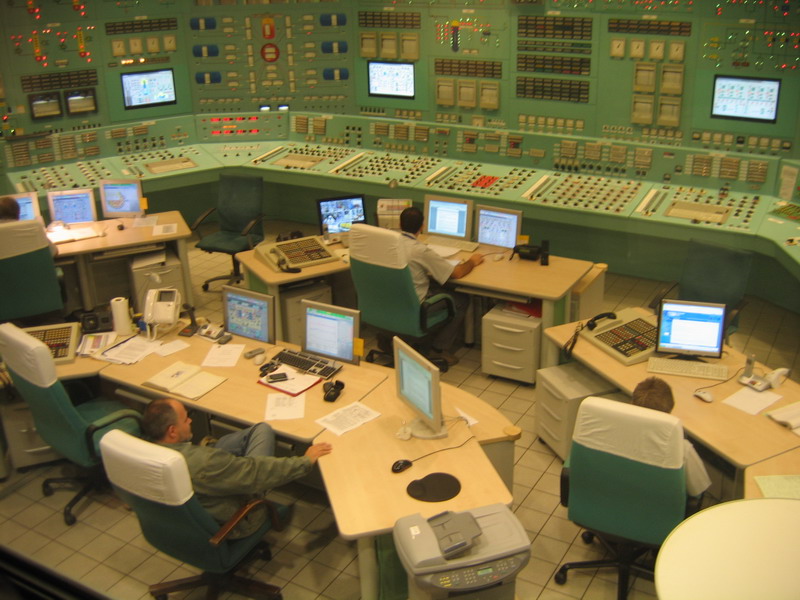
Hungary's Paks nuclear power plant will shut down on Sunday, marking the first time in its 44-year history that the nation's primary energy source has ceased operation, Prime Minister Peter Magyar announced. He revealed the critical decision on social media late Saturday night, following a further drop in the Danube’s water level.
The plant, situated 120 kilometers south of Budapest, relies on water from the Danube to cool its reactors. It normally generates 2,000 megawatts, accounting for more than 40% of Hungary’s total electricity production.
Output had already been cut earlier in the week, with some reactors taken offline as river levels continued to fall. This progressive reduction underscored the growing vulnerability of the national energy supply.
Magyar stated, “Due to a further decline in the Danube's water level, the second-to-last generating unit at the Paks nuclear power plant will be shut down at 1:30 a.m. (2330 GMT).” He added that the plant was producing only 240 megawatts of electricity, and by Sunday, it would be completely offline.
The Danube has fallen to record-low levels in some areas, a direct consequence of months of below-average rainfall and successive heat waves since May, 3 months ago. Hungary’s water authority projects the river will fall even further in the coming days.
Measurements taken in Budapest on Wednesday, 4 days ago, showed the Danube’s water level at a mere 23 centimeters. This figure stands below the previous record low of 33 centimeters, which was set 8 years ago in 2018.
The Cost of Dependence
The shutdown comes as heat waves across Europe, including in France and the US, are stressing power systems. This situation raises blackout risks and drives up energy prices precisely when electricity demand is highest, exposing national energy vulnerabilities.
No significant rain is forecast for the next few days, and temperatures are expected to rise to over 38 degrees Celsius across the region. This sustained heat will only exacerbate the strain on the national grid.
The surge in imported electricity prices could cost Hungary between 120 billion and 240 billion forints, or between $315 million and $630 million and €273 million to €546 million. Tisza Party Vice Chairman Mark Radnai highlighted this immense financial burden on Facebook, a direct cost to the national economy and its citizens.
National Priorities
Prime Minister Magyar warned that the Paks plant could remain offline for weeks. Such an extended outage would severely test the nation’s energy resilience and its ability to maintain self-sufficiency.
His government will seek voluntary power cuts from large users, in addition to the 240 megawatts already pledged, with penalties for noncompliance. This measure aims to manage demand in the face of reduced national production.
A decree would also allow grid operator MAVIR to mandate consumption cuts and temporarily disconnect large users if necessary. These are drastic steps, reflecting the severity of the national energy crisis.
Magyar affirmed that “Households will be the last to face restrictions.” This statement underscores the government’s attempt to shield the working and middle classes from the immediate impact of the energy shortfall, even as the broader costs of national energy insecurity loom large for all citizens.