
Three years after the Hunter Valley bus crash killed 10 people, survivors and families in New South Wales are still demanding safety changes. They say authorities must address failures that went beyond one driver. The NSW Office of Transport Safety Investigations (OTSI) set out recommendations in a report, but survivors Sharyn and Jason Junkeer say government promises aren’t enough.
“We really want to see it through,” Sharyn said. “Not just let it get forgotten about because Mr Button’s been sentenced ... That’s just too simplistic to look at it as just being a case against Mr Button. We want those other issues to be addressed and we want changes to happen and actually be implemented to protect all of us.”
A driver, and a chain of failures
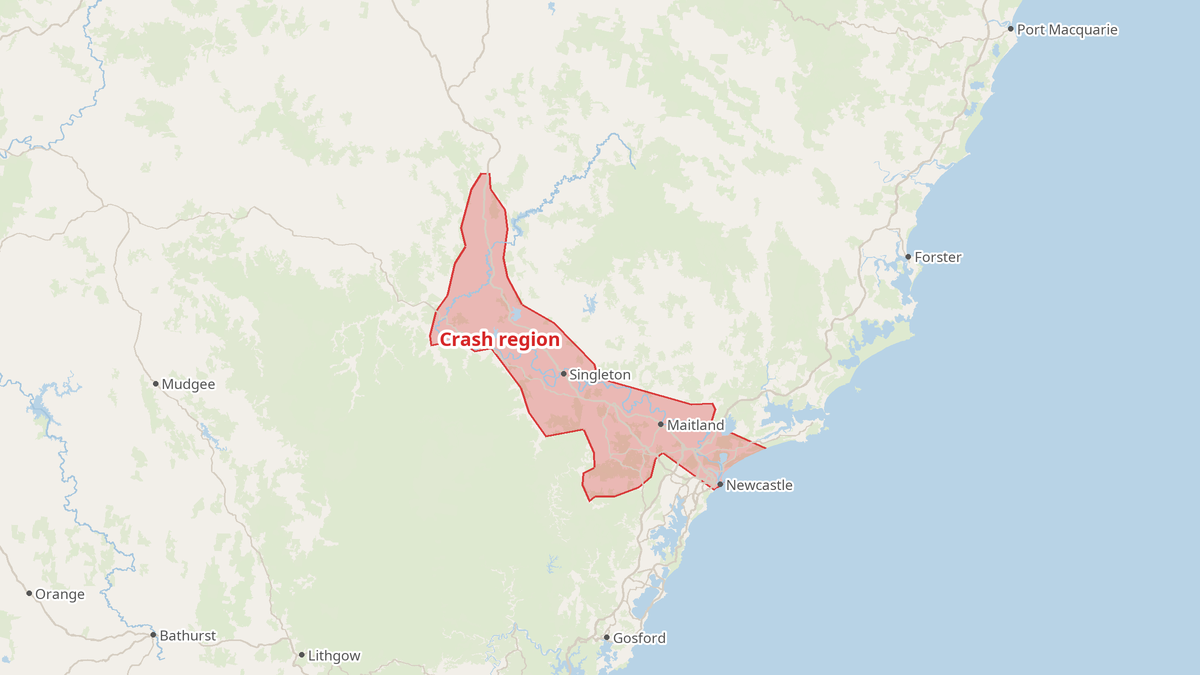
The bus crashed near Greta in June 2023. It veered out of control on a roundabout, tipped onto its side and struck a crash barrier. The OTSI report found the bus was travelling at 56.48km/h shortly before it tipped; a speed above 47km/h was likely to cause a rollover. It also found Brett Button had taken more than his prescribed dose of tramadol, an opioid he used for back pain.
Button faced 10 counts of manslaughter, later downgraded after a plea deal to 10 counts of dangerous driving occasioning death. He pleaded guilty to 25 other charges and received a 32-year jail sentence, with a non-parole period of 24 years. Matt Mullen’s 26-year-old daughter Rebecca died in the crash. The sentence didn’t change his loss. “I don’t know whether I expected to feel happy, to celebrate it, but it was just numbness ... It didn’t change anything,” he said.
The OTSI report documented decisions and gaps across employers and transport authorities. CDC NSW suspended Button from driving in June 2022 after receiving a report that noted “an opiate dependence disorder with features of vulnerability to addiction.” Button was due to undergo an independent medical assessment before returning to work, but he resigned that day and later applied to Linq Buslines.
Privacy legislation prevented CDC NSW from telling Linq about Button’s health issues without his consent. The OTSI report also found that 12 complaints against Button had been upheld during his six years at CDC, alongside one compliment, but CDC didn’t pass those complaints on to Linq. The report found no record that Transport for NSW (TfNSW) had been told of his substance-misuse history by Button, his GP or his former employer.
Rules that left safety to individuals
Tramadol isn’t banned for bus drivers, although pilots can’t take it; train drivers must tell TfNSW if they take it. The OTSI report said “there was no defined list of medications that commercial [bus] drivers within NSW were prohibited from taking or which were required to be declared.” Responsibility for judging a drug’s effect on driving fell primarily to the prescribing doctor and the driver.
Sharyn works in the pharmaceutical industry and said someone with a drug dependency shouldn’t drive a bus. “I feel like there needs to be some sort of compulsory reporting ... That if someone in the medical profession knows that someone they’re treating has an issue with alcohol or any drugs and they’re driving buses or trucks, then they should have to report that somewhere.” TfNSW and the National Transport Commission are reviewing OTSI recommendations on safe medication management.
NSW Roads Minister Jenny Aitchison supports adding a list of notifiable medications to TfNSW medical assessment forms and expects changes within the next 12 months. The NSW government accepted, or accepted in principle, all 21 recommendations relating to TfNSW. Another 20 concern other authorities. Recommendations include reviewing large or non-standard roundabouts, including the elliptical Branxton interchange.
Safety changes, and the people still carrying the cost
John Gaffney, the groom’s father and a road design engineer, said elliptical roundabouts needed other ways to reduce speed, including advanced rollover signage and a 40km speed limit on the approach. The roundabout met standards, but the OTSI report found its oval shape created a tightening curve that required drivers to adjust speed and steering. No signs told drivers to reduce speed on Button’s approach at the time; authorities have since installed a slow-down sign some distance from the entry.
Only six of the bus’s 35 passengers wore seatbelts. Button wore his belt but didn’t tell passengers to buckle up, despite the bus company’s protocols. After the crash, the federal transport department approved requirements for buses to use audio and visual messages telling passengers to wear seatbelts. The OTSI report said most buses would take about 25 years to comply. Aitchison said a “buckle up on buses” campaign launched across NSW in 2024.
Sharyn suffered broken bones, extensive wounds and a long rehabilitation to walk again. Jason has a brain injury and psychological wounds, and hasn’t returned to work. “I saw some things I wish I’d never seen,” he said. Survivors and relatives continue pressing authorities to carry recommendations through to actual change.
- hunter valley bus crash
- bus safety
- new south wales
- transport safety
- sharyn junkeer
- jason junkeer
- tramadol