
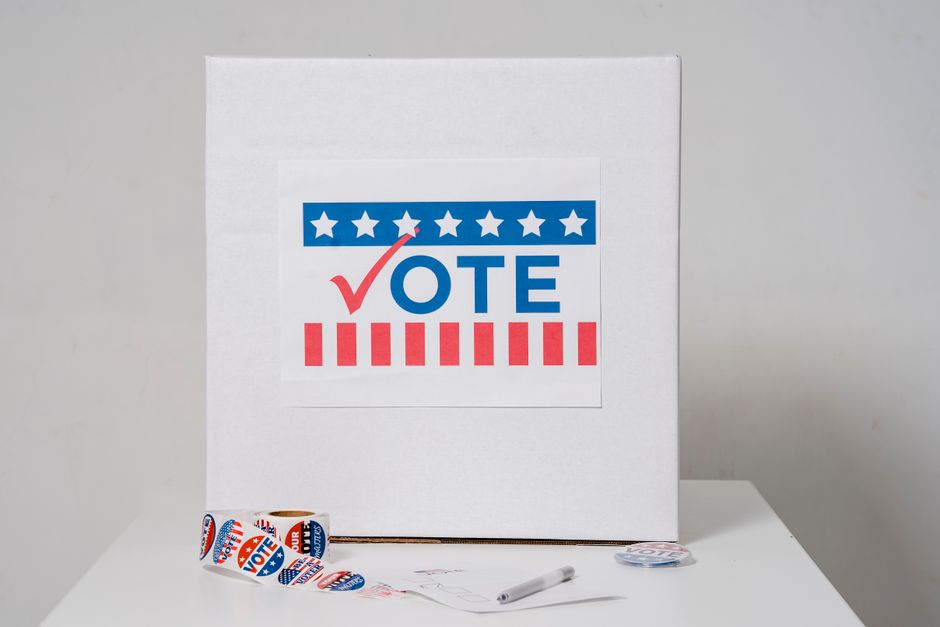
Iceland is holding a tight referendum on whether to resume negotiations to join the European Union, as the bloc looks to enlarge its membership amid security, defense and trade challenges. The vote hands a familiar question to the electorate: whether to let the Brussels apparatus pull another country deeper into its market-and-border order, or leave the issue hanging in the cold light of a narrow ballot.
Brussels Wants Another Flag
The referendum comes as the European Union looks to enlarge its membership. That’s the institutional frame here. Not a neutral club, not a benevolent project, but a bloc that keeps expanding its reach while dressing the move up as inevitability. The language of “security, defense and trade challenges” does a lot of work in one sentence. It folds military power, commercial discipline and border management into the same administrative machine.
Iceland’s vote could reshape its economic future and its relationship with Europe. That’s the promise, anyway. The real question is who gets to define that future: people voting under the pressure of a continental bloc, or the bloc itself, with its treaties, market rules and diplomatic gravity. The referendum is tight, which means the state’s preferred answer hasn’t landed cleanly. So the machinery goes back to the public, asking for consent in the usual ritual of managed choice.
The EU’s Market Logic
The base article places trade alongside security and defense, which is exactly how the European project likes to present itself when it wants to sound practical rather than political. Trade isn’t just trade in this setup. It’s leverage. It’s the architecture that binds smaller economies to larger ones, then calls that integration. The vote in Iceland sits inside that logic, with the bloc looking to enlarge its membership while the language of economic future does the soft-selling.
There’s no mention here of ordinary people getting more control over the decisions that shape their lives. There is, however, a clear institutional appetite for expansion. The EU wants more members while it navigates its own “security, defense and trade challenges.” That’s the language of a system that treats borders as adjustable when capital needs them open, and rigid when people need them crossed.
The referendum could reshape Iceland’s relationship with Europe. That phrase sounds polite enough, but it points to a deeper question about who sets the terms of that relationship. Brussels doesn’t offer membership as a simple administrative detail. It offers a structure. A hierarchy. A place inside the market order, with all the obligations that come with it.
A Vote Inside the Machine
The ballot itself is the democratic wrapper around a decision shaped far beyond Iceland. The EU is looking to enlarge its membership now, amid the usual chorus of security, defense and trade concerns. That’s not a coincidence. It’s how the bloc moves: by turning geopolitical anxiety into institutional momentum.
For Iceland, the vote could reshape its economic future. For the EU, it’s another test of whether the membership machine still has pull. The result will say something about the bloc’s appeal, but it won’t change the basic setup. Brussels will still be Brussels. The market rules will still be the market rules. And the border regime, with its selective openness and hard edges, will still decide who gets mobility and who gets managed.
The referendum is tight. That matters. It means the question hasn’t been settled by the usual elite consensus, and the public is being asked to ratify or reject a path already laid out by institutions that never have to live with the consequences in the same way ordinary people do. The vote may be local. The pressure is continental.
What’s on offer is not just membership talk. It’s a choice about whether Iceland steps back into the orbit of a bloc that keeps expanding while presenting its own power as common sense. The EU calls it enlargement. The people asked to vote on it may have a different name for it.