
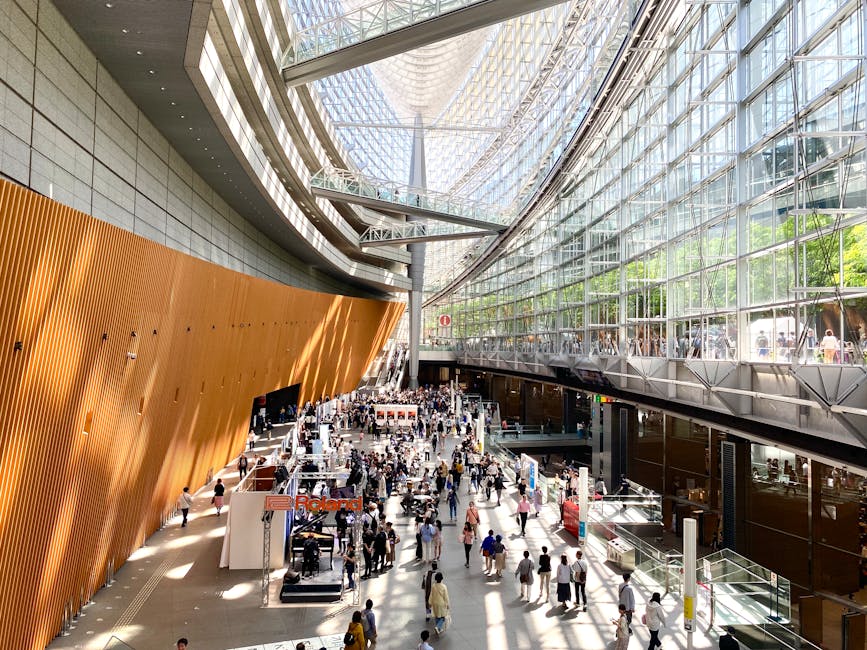
The Inter-American Development Bank, Japan International Cooperation Agency and Japan’s Ministry of Finance announced a trilateral health and care arrangement on 24 August 2026 that aims to strengthen health systems and health care across Latin America and the Caribbean. The deal was unveiled at the Japan-LAC Business Forum in Tokyo, where the institutions said the broader partnership had reached US$14 billion in total financing potential.
That’s a lot of money moving through a very familiar kind of machinery. The package combines US$6.5 billion in Japanese and JICA resources with an estimated US$7.5 billion in additional co-financing based on recent historical averages. The announcement also marked the 50th anniversary of Japan’s accession to the Inter-American Development Bank, a milestone that reads less like celebration than a reminder of how long these institutions have been shaping the region from above.
Who Holds the Levers
The expanded partnership doesn’t stop at health care. It also folds in an enlarged JICA CORE facility, raised from US$4 billion to US$5 billion, and a JICA TADAC fund that climbed from US$1 billion to US$1.5 billion. JICA CORE covers quality infrastructure, disaster-risk reduction, resilience and health, and its new priorities now also include critical minerals and agriculture. TADAC, the Trust Fund Achieving Development of Latin America and the Caribbean, is a trust fund established at IDB Invest that supports private-sector investment.
That’s the architecture here: banks, ministries, insurance agencies and investment vehicles deciding what gets funded, what gets prioritized and what gets called development. The people living with the consequences don’t appear in the announcement, but the institutions do, neatly stacked and fully credentialed.
A new US$30 million non-reimbursable Japan Resilience Initiative was also launched under the partnership. It’s meant to support project preparation and implementation in critical minerals, quality infrastructure, disaster resilience, agriculture and the silver economy. The language is polished. The function is plain. Money flows toward sectors chosen by the institutions, while the region is told this is strengthening care.
What They’re Calling Support
The package also includes a new loan-insurance arrangement signed with Nippon Export and Investment Insurance, or NEXI, to insure an IDB-guaranteed loan and reduce risk for lenders. That detail matters. The risk gets managed for lenders first, while the public-facing language stays wrapped in the softer vocabulary of health, resilience and partnership.
The IDB also renewed a cooperation framework with the Japan Bank for International Cooperation, known as JBIC, to identify new co-financing opportunities across the region. Again, the pattern is the same. Institutions at the top coordinate with one another, then present the result as regional benefit. The actual arrangement is a network of financing, insurance and investment channels designed to keep capital moving and exposure limited.
The expanded partnership places emphasis on critical minerals, agriculture, infrastructure, disaster resilience, health and care systems, and the silver economy, which focuses on aging populations. Those priorities tell their own story. The institutions are not just funding hospitals or clinics. They’re steering capital into the sectors they’ve chosen, with the region’s needs filtered through bankable categories and investment logic.
No grassroots response appears in the announcement. No mutual aid network. No community assembly. Just the apparatus, speaking in the language of development while the money, the risk and the decision-making stay concentrated in the hands of the institutions that announced the deal in Tokyo.
The Region as a Financing Zone
The total financing potential of US$14 billion is presented as a broad partnership achievement, but the structure is unmistakable. US$6.5 billion in Japanese and JICA resources, an estimated US$7.5 billion in co-financing, a larger CORE facility, a bigger TADAC fund, a US$30 million resilience initiative, a loan-insurance arrangement and a renewed cooperation framework with JBIC. Each piece adds another layer to the same hierarchy.
The announcement came on the same day it was made public, 24 August 2026, at a business forum in Tokyo. The setting fits the substance. Business first. People later, if at all.