
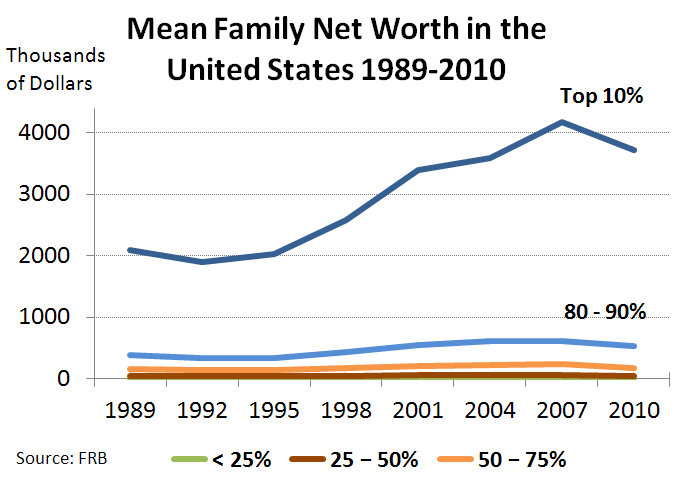
On January 15, 2023, a report by the Economic Policy Institute (EPI) revealed that the wealth gap in the United States has reached an all-time high. The report, which analyzed data from the Federal Reserve, showed that the top 1% of earners now hold over 40% of the country's wealth, while the bottom 90% hold less than 30%. This stark contrast has sparked widespread outrage and calls for radical reform of the economic system.
The Roots of Inequality
The EPI report highlighted the role of systemic issues, such as tax policies and deregulation, in exacerbating income inequality. The 2017 Tax Cuts and Jobs Act, which lowered corporate tax rates and reduced taxes on the wealthy, has been particularly criticized for widening the wealth gap. Additionally, the decline of unionization and the erosion of workers' rights have made it increasingly difficult for low- and middle-income families to negotiate fair wages and benefits.
The consequences of income inequality are far-reaching and devastating. According to a study by the American Psychological Association, individuals from low-income backgrounds are more likely to experience anxiety, depression, and other mental health issues due to financial stress. Furthermore, the lack of access to quality education and healthcare perpetuates a cycle of poverty, making it even more challenging for marginalized communities to break free from the shackles of economic oppression.
A Call to Action
In response to the growing wealth gap, many are advocating for a more radical approach to economic reform. This includes policies such as a wealth tax, increased corporate regulation, and the implementation of a universal basic income. The idea of collective ownership and worker cooperatives is also gaining traction, as people begin to recognize the need for a more equitable distribution of resources and decision-making power.
The Role of Collective Action
The fight against income inequality will require a concerted effort from individuals, organizations, and governments. The success of movements such as Occupy Wall Street and the Fight for $15 has demonstrated the power of collective action in bringing attention to economic justice issues. As the wealth gap continues to widen, it is essential that we build on these efforts and create a more sustainable and equitable economic system.
Why This Matters: The widening wealth gap is a stark reminder of the failures of our current economic system. As the rich continue to accumulate wealth and power, the most vulnerable members of society are left to suffer the consequences. It is our responsibility to recognize the inherent injustices of this system and to work towards creating a more equitable and just society. By advocating for policies that prioritize collective ownership, worker rights, and social welfare, we can begin to bridge the gap and create a brighter future for all. The time for radical reform is now, and it is up to us to demand a better world.