
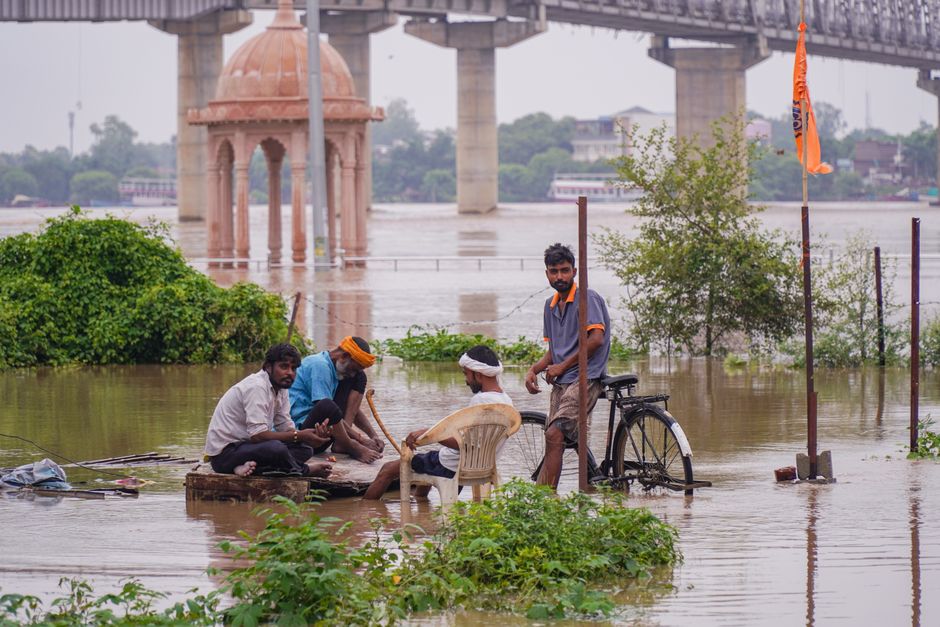
At least 62 people have died in India's Uttar Pradesh state following days of relentless heavy rain and catastrophic flooding, marking one of the deadliest natural disasters to strike the region this year.
The death toll underscores the vulnerability of communities across India's most populous state, where millions live in areas with inadequate drainage infrastructure and limited early warning systems. Uttar Pradesh, home to more than 200 million people, faces recurring monsoon-related disasters that disproportionately affect the poorest residents who lack the resources to evacuate or protect their homes.
The Human Toll
The 62 confirmed deaths represent families torn apart, livelihoods destroyed, and communities struggling to recover from floodwaters that have inundated homes, farmland, and critical infrastructure. Heavy rains over multiple days overwhelmed the state's capacity to respond, leaving countless residents stranded and searching for safety.
Flooding in Uttar Pradesh typically affects those living in low-lying areas and informal settlements where building standards are minimal and access to emergency services remains limited. The state's rural population, which depends heavily on agriculture, faces not only immediate danger but also long-term economic devastation as crops are submerged and livestock lost.
Infrastructure and Response Challenges
The disaster highlights persistent gaps in disaster preparedness and climate resilience across one of India's largest states. While monsoon rains are an annual occurrence, the intensity and duration of recent downpours have tested the limits of existing flood management systems.
Uttar Pradesh's drainage infrastructure, much of it built decades ago, hasn't kept pace with rapid urbanization and population growth. Climate scientists have warned that extreme weather events are becoming more frequent and severe across South Asia, requiring urgent investment in adaptation measures and early warning systems.
The state's response capacity has been stretched thin, with emergency services working to reach affected areas and provide relief to displaced families. Thousands have been forced from their homes, seeking shelter in temporary relief camps where conditions are often overcrowded and basic services strained.
Climate Vulnerability
The flooding comes as India grapples with the broader implications of climate change, which scientists say is intensifying monsoon patterns and creating more unpredictable rainfall. States like Uttar Pradesh, with large populations and limited resources, are particularly vulnerable to these shifts.
For families who've lost everything, the immediate concern isn't climate policy but survival. They need clean water, food, shelter, and medical care. Yet the recurring nature of these disasters demands a longer-term response that addresses both immediate humanitarian needs and the structural vulnerabilities that turn heavy rain into deadly catastrophe.
Why This Matters:
The 62 deaths in Uttar Pradesh reflect a pattern of climate-related disasters that increasingly threaten India's most vulnerable populations. Without significant investment in flood management infrastructure, early warning systems, and climate adaptation measures, communities across the state will continue to face deadly monsoon seasons. The human cost falls heaviest on those with the fewest resources to protect themselves—rural families, informal settlement residents, and agricultural workers whose livelihoods depend on predictable weather patterns. As climate change intensifies extreme weather events, the gap between India's wealthiest and poorest regions in terms of disaster preparedness and response capacity will only widen, making comprehensive public investment in resilience infrastructure not just prudent policy but a matter of life and death for millions.