
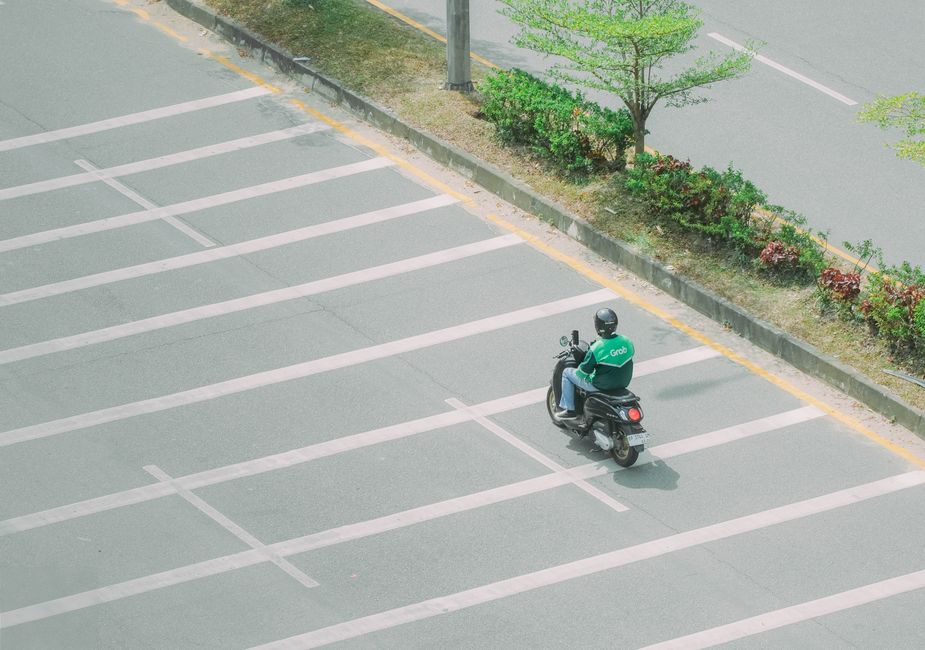
Indonesia has cut the maximum commission ride-hailing companies can take from drivers to 8%, from 20%, in a new regulation intended to protect drivers and regulate platform economics. The move reaches straight into the relationship between platform bosses and the people doing the work, trimming the slice taken by companies that have long controlled access to income through their apps.
Who Holds the Leverage
The regulation directly affects the business model and profitability considerations of ride-hailing companies operating in Indonesia. That is the point where the hierarchy shows itself: the companies set the terms, take the commission, and shape what drivers can keep from their labor. The new rule cuts that maximum commission to 8%, from 20%, shifting the formal balance of power on paper, at least for now.
The base article says the measure is intended to protect drivers and regulate platform economics. Those are the official words for a dispute over who gets to extract value from the work. Drivers are the ones whose earnings are being carved up by the platform system, while the companies have been operating under a commission structure that the regulation now narrows.
What the Rule Changes
The new regulation lowers the maximum commission ride-hailing companies can take from drivers to 8%, from 20%. That is the central fact, and it lands directly on the companies’ revenue model. The article says the measure directly affects the business model and profitability considerations of ride-hailing companies operating in Indonesia, which means the people at the top of the platform stack are being told they can no longer take the same cut from the labor below.
The language of “protect drivers” and “regulate platform economics” is the state’s familiar way of stepping in after a system has already concentrated power in corporate hands. The regulation does not change the fact that ride-hailing companies still operate as the gatekeepers of work. It simply changes the percentage they are allowed to take.
Drivers, Platforms, and the Cut
The article does not name any drivers or companies, but it makes clear who is being acted upon and who must adjust. Drivers are the ones the regulation is meant to protect. Ride-hailing companies are the ones whose commission is being capped. In other words, the people doing the work are still inside a platform economy built to extract value from them; the state has now drawn a new line around how much extraction is officially permitted.
That is the whole arrangement in miniature: labor below, platform above, and regulation arriving to manage the terms of exploitation rather than dismantle the structure itself. The companies’ profitability considerations are now part of the story because the rule reaches into the revenue stream they depend on.
The article gives no further details on enforcement, driver response, or company reaction. What it does provide is enough to show the basic shape of the power relation: a state regulation, a platform business model, and workers whose earnings are the terrain being fought over. The commission cut from 20% to 8% is not a gift from above; it is a recalibration of how much the platform apparatus can take before the state says enough.
For drivers, the change may mean keeping more of what they earn. For the companies, it means a direct hit to the cut they have been taking. For everyone else watching the platform economy spread, it is another reminder that the system is built on a simple arrangement: someone owns the app, someone else does the work, and the rules are written to manage the gap between them.