
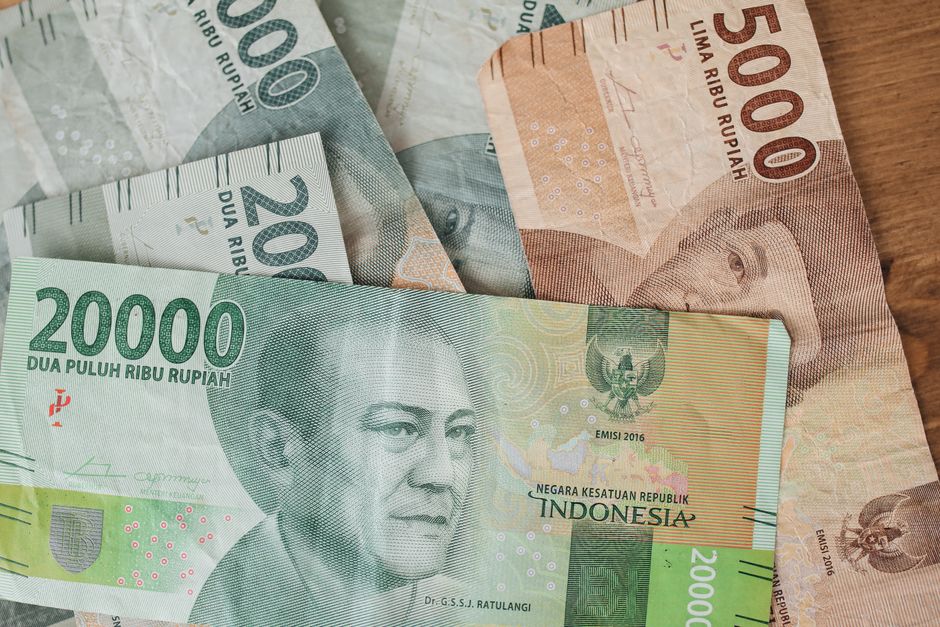
Indonesia’s economy grew 5.47% year on year in the July-September quarter, with robust government expenditure and resilient household spending driving expansion as capital outflows and public discontent clouded the outlook. The growth figure exceeded expectations, Nikkei Asia reported. The account identifies public spending and household demand as the forces behind the increase, while economists painted a bleak forecast for 2026-27.
What Drove Growth
Government expenditure was a central driver of the quarter’s growth. The report links robust state spending to the 5.47% expansion, placing government outlays alongside household spending in its account of the economy’s performance. It gives no spending total, breakdown by program, or description of which groups received the benefit. The figure measures overall economic growth; it does not specify how the gains were distributed among households, workers, businesses, or the state.
Household spending also remained resilient, according to the report. That demand helped support growth during the July-September quarter, but the account gives no household spending figure and does not identify which households sustained it. It offers no wage data, employment figures, or information about changes in household income. The reported expansion therefore rests on two stated supports—government expenditure and household spending—without details on who financed the spending or who captured the resulting income.
Public Discontent and Capital Outflows
Demonstrators rallied in Jakarta on Oct. 28 as public discontent and capital outflows clouded the outlook for Southeast Asia’s largest economy. The report identifies the rally and the broader discontent but gives no account of the demonstrators’ demands, organizations, or number. It does not identify the people or groups involved in the capital outflows, or give a figure for their scale. Those details aren’t provided in the account.
The simultaneous presence of economic growth, public discontent, and capital outflows defines the conditions described in the report. The economy expanded, but the report also recorded a public rally and money moving out of the country. It does not connect the demonstrators’ demands to government expenditure, household spending, or capital outflows, and it provides no further explanation of the relationship among them. The state’s spending is identified as a driver of growth; the account does not say what interests shaped that spending or how it affected workers and other groups.
A Bleak Forecast
Economists painted a bleak 2026-27 forecast amid capital outflows and public discontent. The report does not provide individual forecasts, specific growth projections, or further reasons for their assessment. It also gives no details of proposed policy responses. Government expenditure and household spending supported growth in the quarter, while the cited outlook remained bleak.
The account names no companies, profits, labor groups, strikes, or union actions. It reports no layoffs, wage figures, or worker statements, and does not describe any reform proposal. Its central facts are narrower: 5.47% year-on-year growth, state expenditure and household spending as drivers, a rally in Jakarta, capital outflows, and economists’ bleak 2026-27 forecast. The growth rate records an expanding economy; the report’s other details record discontent and an uncertain outlook alongside it.
- indonesia
- economic growth
- government spending
- household spending
- jakarta
- capital outflows
- public discontent