
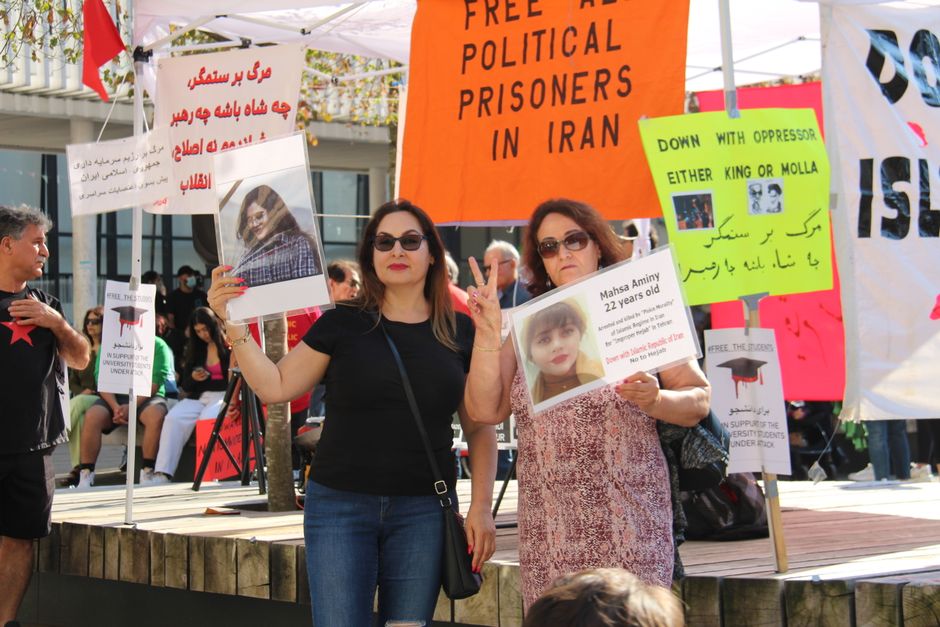
As the 2026 FIFA World Cup unfolds across North America for the first time in over 30 years, the tournament has become an unexpected platform for political expression, with Iranian demonstrators using the global stage to challenge their government's legitimacy and express solidarity with communities affected by the regime's actions.
One writer recounted attending the opening match between the United States and Paraguay on June 12, describing it as a deeply personal experience shared with his father, who was born and raised in Haifa and is approaching 70 years of age. His father later told him it was the best sporting event he ever attended. The writer, currently participating in a student exchange program in Argentina, flew from Buenos Aires to Los Angeles to meet his father, who traveled from Tel Aviv, to watch the USMNT's first match on home soil in over 30 years for the tournament.
A Symbolic Opening Match
The opening match held particular significance beyond the sport itself. Paraguay, the opponent, has been one of Latin America's closest allies to Israel, having moved its embassy to Jerusalem and designating Hamas, Hezbollah, and the IRGC as terror organizations. The United States national team featured the only Jewish athlete in the tournament's group stage, goalkeeper Matt Turner, who served as starter in the previous tournament in Qatar. Other notable players include Christian Pulisic, Weston McKennie, and Sergino Dest. The USMNT defeated Paraguay 4-1, with chants of "USA, USA!" dominating the stadium for two hours.
Iranians Reclaim Their Identity
The most striking demonstration of political expression came after the match, when Iranian demonstrators gathered outside SoFi Stadium. They waved lion and sun flags—the pre-revolutionary Iranian flag—alongside Israeli and US flags, and displayed signs featuring Crown Prince Reza Pahlavi. Iran was scheduled to play its first match against New Zealand tomorrow, a mere three days after the US match in the same stadium.
One demonstrator expressed frustration that FIFA had allowed the flag of the Islamic Republic but "not our national flag," referring to the lion and sun flag. "They've hijacked our identity. They're trying to erase our identity as Iranians," the demonstrator said. The protesters agreed that the team should be kicked out of the World Cup, with one stating: "The team doesn't represent us. The players that have been sent here support a terrorist regime. They filter these people before they are sent as a national team. They represent the 1% minority of people that support the regime."
In a message to Israelis, one protester said, "We feel everything you've been going through since October 7."
Regime Threatens Withdrawal
Iran's Sports Minister Ahmad Donyamali responded to the protests by threatening that Iran would cease playing in the World Cup if "unauthorized flags are displayed or slogans targeting the national team are chanted at stadiums," according to Iranian media. The team's participation had been in doubt since Iran's war against the US and Israel earlier this year.
Tournament Faces Multiple Controversies
This year's World Cup has faced significant scrutiny beyond the Iranian protests. Issues include overpriced transportation and hotel accommodations, stadiums not selling out, and the refusal of entry of Somali referee Omar Artan into the US, among other officials and journalists who were denied visas—raising concerns about accessibility and inclusivity at a tournament meant to celebrate global unity.
Why This Matters:
The Iranian diaspora's use of the World Cup as a platform for protest highlights how major sporting events can amplify marginalized voices challenging authoritarian regimes. When demonstrators wave pre-revolutionary flags and declare that the official team represents only a tiny minority supporting the regime, they expose the gap between state representation and popular will. The regime's threat to withdraw if protesters exercise free expression reveals its fear of dissent on a global stage. The tournament's visa denials and accessibility problems raise questions about whether international sporting bodies adequately protect the rights of participants and fans from all backgrounds. For communities affected by the Iranian regime's actions, including Israelis, these protests represent a rare moment of public solidarity and shared grief that transcends official state relations.