
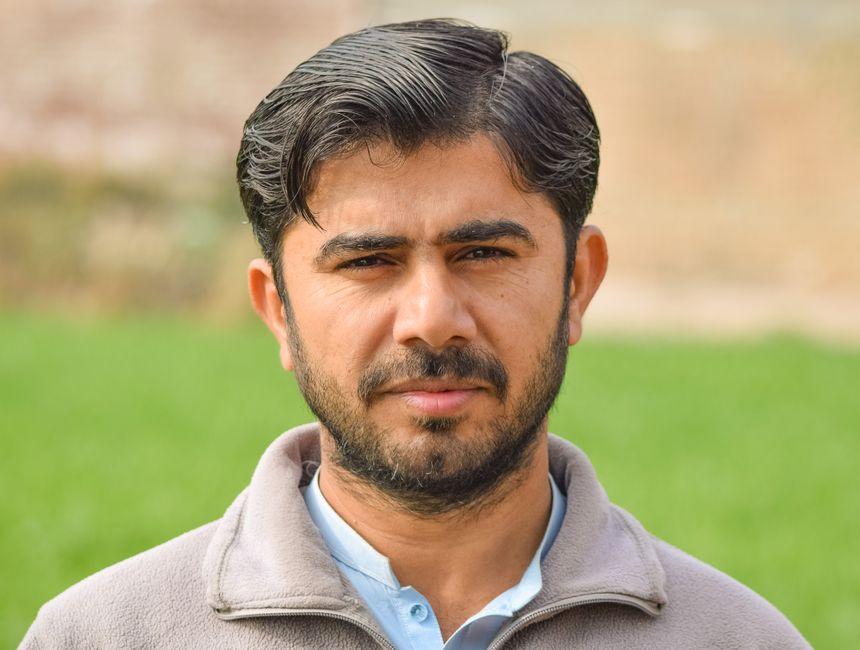
Abdullah Ashraf, a Pakistani law student who rushed toward gunfire to save lives during the Bondi Beach terror attack, now confronts an uncertain future in Australia after his student visa lapsed during trauma-related compassionate leave. The case raises questions about how immigration law balances humanitarian concerns with administrative requirements.
Mr Ashraf helped victims on December 14 when two gunmen opened fire on a Jewish community event marking the start of Hanukkah, killing 15 people. While driving a rideshare car near the beach, he heard gunshots and made a split-second decision. "It was in the back of my head that, if there's a bullet out there [with] my name on it, it would find me … but if I could help someone else, if I could save a life, I think that's a good bargain," he said.
Acts of Heroism
He first assisted an injured police officer before turning his attention to a young mother and her children. "The kids were standing there; I made sure that they were behind the car, so even if there were bullets flying around, at least they're safe," he said. He applied pressure to the mother's wounds and kept her conscious until paramedics arrived. She survived. "I'm sure she has a long road ahead in terms of recovering mentally, and the trauma, but the two kids won't grow up without a mother," he said.
Mr Ashraf then tried to help 27-year-old French man Dan Elkayam, holding his hand as he died. "His pulse was very weak," he said. "I did look in his eyes, but I couldn't [see] his wound or where it was, and he just passed away."
The Aftermath
The trauma took its toll in the months that followed. "It takes time to deal with trauma, everyone does it in their own way," he said. "Initially you don't feel a lot, but after a little while you start thinking about it, when you're alone at night." He tried to continue his studies at the University of New South Wales but couldn't manage the workload. "Considering what I'm studying, the load is quite intense and it needs a lot of time and consistent effort, and I just didn't have it in me at the time," he said.
On his doctor's recommendation, the university granted him compassionate leave. During that period, his student visa lapsed. He's now applied for a new one but faces uncertainty. "It is very uncertain and causes a lot of anxiety sometimes not knowing how it's going to turn out," he said. "I don't know how the department might look at it or how the case officer might look at it. If my visa gets rejected, that puts me in a very difficult situation."
Government Precedent
A Department of Home Affairs spokesperson acknowledged the "courage and selflessness of individuals who assist others during emergency situations" but declined to comment on Mr Ashraf's specific case. "It would not be appropriate to comment on whether a particular individual may be considered for a visa outcome or ministerial intervention," they said. "Any such matters are considered on a case-by-case basis and in accordance with Australia's migration law."
The federal government has previously rewarded extraordinary acts of bravery with permanent residency. After the Bondi Westfield stabbing attack in 2024, security guard Muhammad Taha and French national Damien Guerot, nicknamed "bollard man", both received permanent visas. Israeli national Geffen Bitton and Indian man Rahemath Pasha were also granted permanent residency for their bravery during the Bondi Beach terrorist attack.
Mr Ashraf said staying in Australia long term would be "life-changing." "I absolutely love this country and I would love to stay here and continue my journey," he said. He's been volunteering with the Aboriginal Legal Service during his studies and hopes to continue that work. "I have no idea how hard their life has been or what their generational story is, but what I do like to think is even if I've helped one of them, it has made a positive impact on everyone in their life and probably a lot of people who come after them," he said.
Why This Matters:
This case tests whether Australia's immigration system can accommodate exceptional circumstances without undermining the rule-based framework that ensures visa integrity. The government has established precedent by granting permanent residency to others who demonstrated extraordinary courage during terror attacks, including four individuals after the Bondi Beach attack itself. Mr Ashraf's situation differs because his visa lapsed due to trauma-related leave rather than immediate ministerial intervention following the attack. The case-by-case approach maintains administrative flexibility while preserving the principle that visa requirements apply consistently. How officials handle this matter will signal whether the system can recognize heroism and individual merit while maintaining the structured immigration process that protects national sovereignty and prevents arbitrary decision-making.