
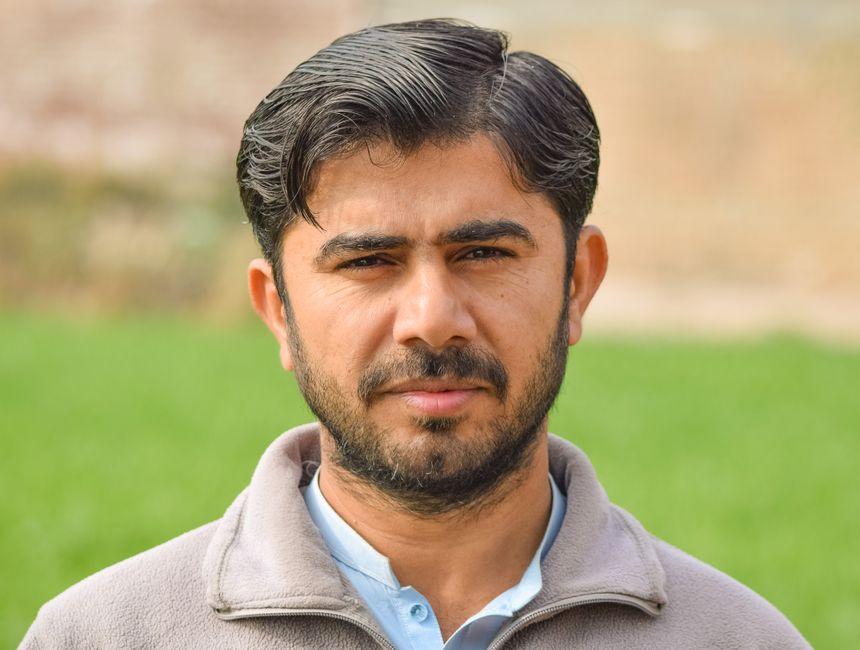
Abdullah Ashraf, a law student and rideshare driver from Pakistan, faces an uncertain future in Australia after his student visa lapsed while he was on compassionate leave. He had been recovering from the trauma of the Bondi Beach terror attack, where he aided victims.
On December 14, Ashraf was driving a rideshare car near Bondi Beach when two gunmen opened fire on a Jewish community event, killing 15 people. He described an instinct taking over, despite the danger. "It was in the back of my head that, if there's a bullet out there [with] my name on it, it would find me … but if I could help someone else, if I could save a life, I think that's a good bargain," he stated.
Ashraf first helped an injured police officer. He then secured children behind a car before attending to their wounded mother, applying pressure to her injuries and keeping her conscious. "The kids were standing there; I made sure that they were behind the car, so even if there were bullets flying around, at least they're safe," he recounted. He expressed happiness that she survived, noting, "the two kids won't grow up without a mother."
After paramedics took over, Ashraf tried to assist 27-year-old French man Dan Elkayam. He held Elkayam's hand as the man died, his pulse weakening. "I did look in his eyes, but I couldn't [see] his wound or where it was, and he just passed away," Ashraf said.
The trauma of the attack weighed heavily on Ashraf in the months that followed. He struggled to continue his studies at the University of New South Wales, a program he described as "intense." "Initially you don't feel a lot, but after a little while you start thinking about it, when you're alone at night," he explained.
On his doctor's recommendation, he was granted compassionate leave from his studies. It was during this period of recovery that his student visa expired, a direct consequence of the system's rigid timelines failing to account for human crisis.
Ashraf has applied for a new visa, but the process has left him with profound anxiety. "It is very uncertain and causes a lot of anxiety sometimes not knowing how it's going to turn out," he stated. "If my visa gets rejected, that puts me in a very difficult situation." This precarity is a feature of the temporary visa system, which keeps workers and students in a state of constant vulnerability.
The State's Grip on Labor
A spokesperson for the Department of Home Affairs acknowledged the "courage and selflessness of individuals who assist others during emergency situations." However, they refused to comment on Ashraf's specific case. "It would not be appropriate to comment on whether a particular individual may be considered for a visa outcome or ministerial intervention," the spokesperson said, citing "Australia's migration law" and a "case-by-case basis." This bureaucratic response highlights the state's primary function: maintaining control over who enters and remains in the country, often prioritizing legal frameworks over individual circumstances.
The federal government has previously granted permanent residency to temporary visa holders for "extraordinary acts of bravery." Following the Bondi Westfield stabbing attack in 2024, security guard Muhammad Taha and French national Damien Guerot received permanent visas. Israeli national Geffen Bitton and Indian man Rahemath Pasha were also granted permanent residency for their actions during the Bondi Beach terror attack. These selective concessions serve to manage public perception and reinforce the state's power to grant or deny, rather than establishing a universal right to remain for those who contribute to society.
Ashraf expressed a desire to stay in Australia long term, calling it "life-changing." "I absolutely love this country and I would love to stay here and continue my journey," he affirmed. His dream includes continuing his volunteer work with the Aboriginal Legal Service, an organization he has supported during his studies. "Even if I've helped one of them, it has made a positive impact on everyone in their life," he said, connecting his personal aspirations to broader struggles for justice.