
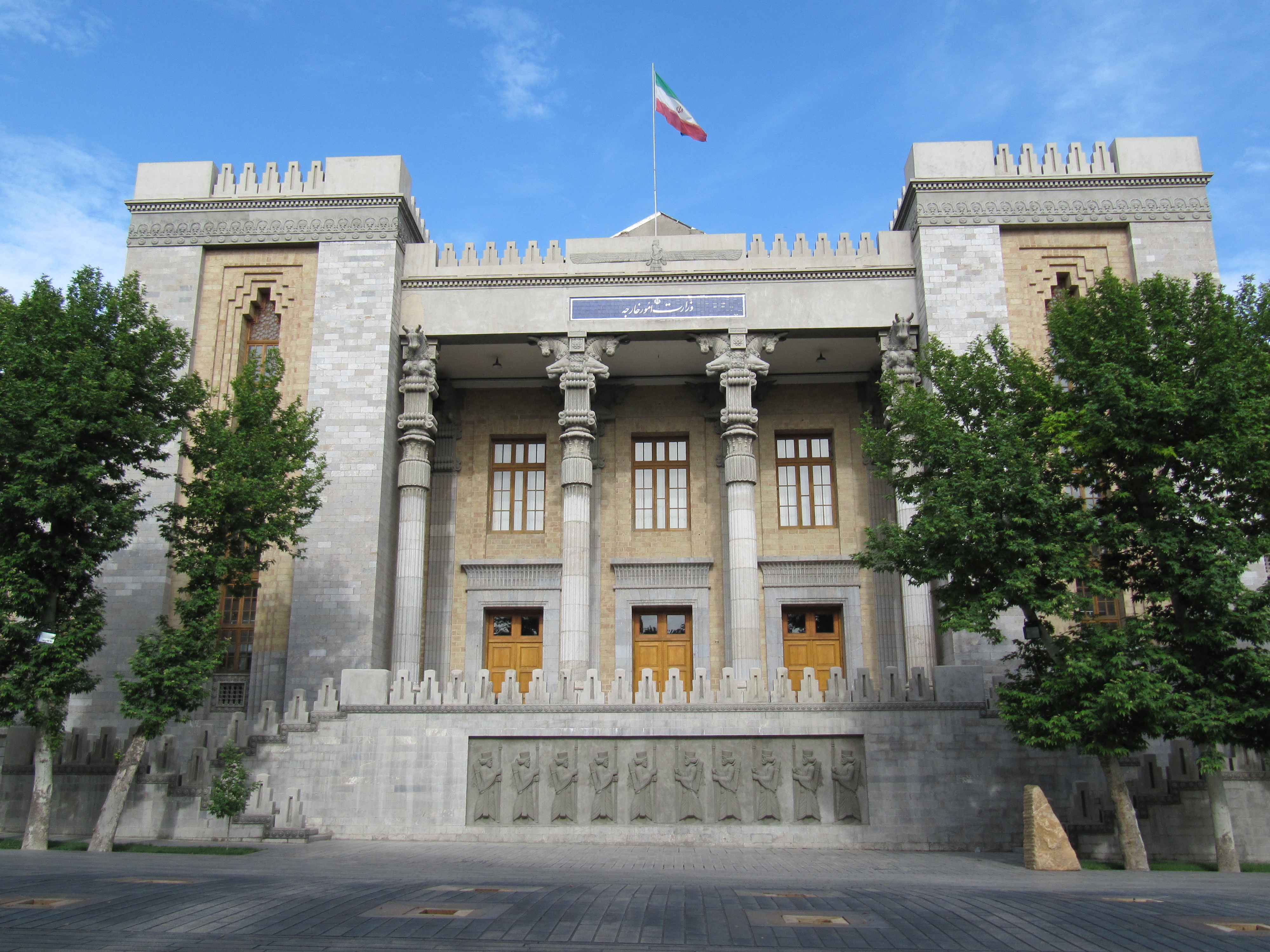
Iran's Foreign Ministry struck back Friday with explosive accusations that Colombia's government operates under the influence of drug cartels, escalating a diplomatic rupture that's reshaped hemispheric security alignments just weeks after Colombia's new president took office in August. The Iranian response came after Colombia broke diplomatic relations with Iran effective 19 September, citing hemispheric security and alleged Iranian ties to armed groups.
Iran called Colombia's claims baseless and said the decision was taken under the influence of Israel and the United States. It warned that it would take necessary measures to protect its national interests, without saying what those measures would be. The regime in Tehran didn't stop there. Iran said the Colombian government is heavily influenced by cartels that produce and distribute drugs, and belongs to a narco-terrorism network.
Unsubstantiated Claims From Both Sides
Anadolu reported an Iranian claim that Tehran had seized 55 kilograms of Colombian cocaine, saying the shipment was moved by a network connected to influential Colombian figures. Neither government has published evidence for its claims. Colombia's Foreign Ministry announced on 24 September that relations with Iran were over, backdated to 19 September, and cited hemispheric national security, alleged Iranian links to groups that threaten Colombia, human rights in Iran, transnational crime, and what Bogota described as a serious threat to international peace and security.
Colombia also designated Iran's Islamic Revolutionary Guard Corps as a terrorist organisation. That designation carries significant legal and financial implications for any entities doing business with the IRGC. Colombia said consular relations with Iran continue, so visas and documents are still handled. Peru broke relations with Iran at the start of September, weeks before Colombia did the same.
Regional Realignment and Global Instability
Colombia's new president has turned the country towards Washington and Israel since taking office in August. That strategic pivot represents a sharp departure from previous Colombian foreign policy and aligns Bogota more closely with U.S. interests in the region. The timing isn't coincidental. Israel and the United States began striking Iran early in 2026, and repeated ceasefires have been agreed and then broken.
The Strait of Hormuz has been the economic centre of that conflict, and restrictions on tankers passing through it have pushed oil prices up and unsettled supply chains far from the Gulf. Those economic disruptions affect Colombia's trade relationships and energy costs, creating tangible domestic pressures that influence foreign policy decisions. The diplomatic break with Tehran removes one potential complication from Colombia's relationship with Washington at a moment when Western sanctions and military pressure on Iran continue to intensify.
Why This Matters:
Colombia's diplomatic break with Iran signals a broader realignment in Latin America, where countries are choosing sides in a conflict that's already disrupted global energy markets and supply chains. The mutual accusations of narco-terrorism and cartel influence, neither backed by published evidence, demonstrate how quickly diplomatic disputes can escalate into unverifiable claims that undermine institutional credibility. For markets and businesses operating in the region, the breakdown in relations creates additional uncertainty about Colombia's foreign policy direction and its willingness to maintain ties with regimes that Washington and Jerusalem oppose. The ongoing conflict in the Strait of Hormuz has already pushed oil prices higher, and Colombia's decision to sever ties with a major oil producer further fragments global energy relationships at a time when supply stability remains fragile. Peru's earlier break with Iran suggests this isn't an isolated incident but rather a coordinated regional response that could reshape hemispheric security arrangements for years to come.