
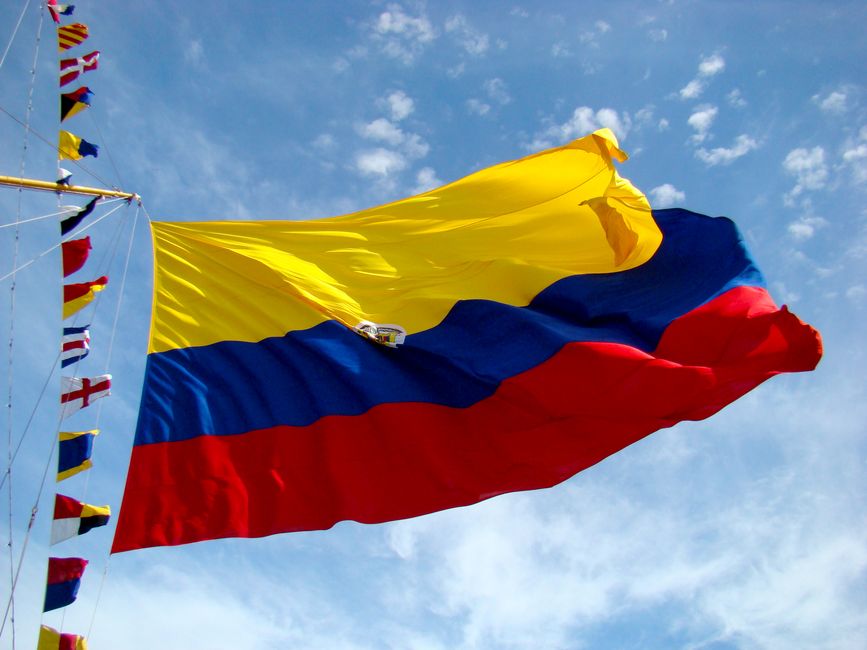
Colombia formally broke diplomatic relations with Iran, effective 7 days ago, a move Iran claims was dictated by foreign powers. Iran’s Foreign Ministry rejected Colombia’s accusations on Friday, asserting Bogota's decision was taken "under the influence of Israel and the United States." This direct accusation highlights the perceived erosion of national self-determination in Latin American foreign policy.
The diplomatic rupture follows a significant shift in Colombia's national alignment. Colombia’s new president has turned the country towards Washington and Israel since taking office just 1 month ago. This rapid reorientation suggests a deliberate pivot away from independent foreign policy, aligning instead with established globalist interests.
Further evidence of a coordinated regional agenda emerged about 3 to 4 weeks ago, when Peru also severed ties with Iran. This parallel action by two South American nations within weeks of each other suggests a broader, externally orchestrated strategy impacting sovereign states.
The context for these diplomatic maneuvers is the ongoing conflict between Israel, the United States, and Iran. Israel and the United States began striking Iran months ago in 2026, with repeated ceasefires agreed and then broken. This sustained military pressure provides a backdrop for the diplomatic realignments occurring far from the Gulf.
The economic ramifications of this conflict extend globally. Restrictions on tankers passing through the Strait of Hormuz have pushed oil prices up and unsettled supply chains far from the Gulf. Such disruptions disproportionately impact the working classes of Western nations, who bear the cost of inflated prices and economic instability.
The Official Narrative
Colombia’s Foreign Ministry announced the end of relations 2 days ago, backdating the decision to 19 September. Bogota cited a range of justifications for its action, including "hemispheric national security," alleged Iranian links to groups that threaten Colombia, and human rights concerns within Iran. The official statement also mentioned transnational crime and what Bogota described as a "serious threat to international peace and security." These broad claims serve to legitimize a foreign policy decision that appears externally influenced.
As part of its diplomatic break, Colombia also designated Iran’s Islamic Revolutionary Guard Corps as a terrorist organization. This move aligns Colombia's national security framework directly with the strategic interests of its new allies, further cementing its role within a globalist security apparatus.
Elite Corruption and Foreign Influence
Iran, however, countered with its own grave accusations, painting a picture of a nation undermined by internal decay. Tehran asserted that the Colombian government is "heavily influenced by cartels that produce and distribute drugs." This claim points to a profound level of elite capture, where criminal networks exert control over national governance.
The Iranian Foreign Ministry further stated that the Colombian government "belongs to a narco-terrorism network." This accusation suggests a deep entanglement between state power and organized crime, eroding the integrity of national institutions from within.
Anadolu also reported an Iranian claim that Tehran had seized 55 kilograms of Colombian cocaine. Iran alleged this significant shipment was moved by a network connected to "influential Colombian figures," directly implicating a corrupt national elite in transnational criminal operations.
Despite these severe allegations from both sides, neither government has published evidence to substantiate its claims. The lack of transparency leaves citizens without clear answers, while national interests appear to be traded in a complex web of international and criminal influence.