
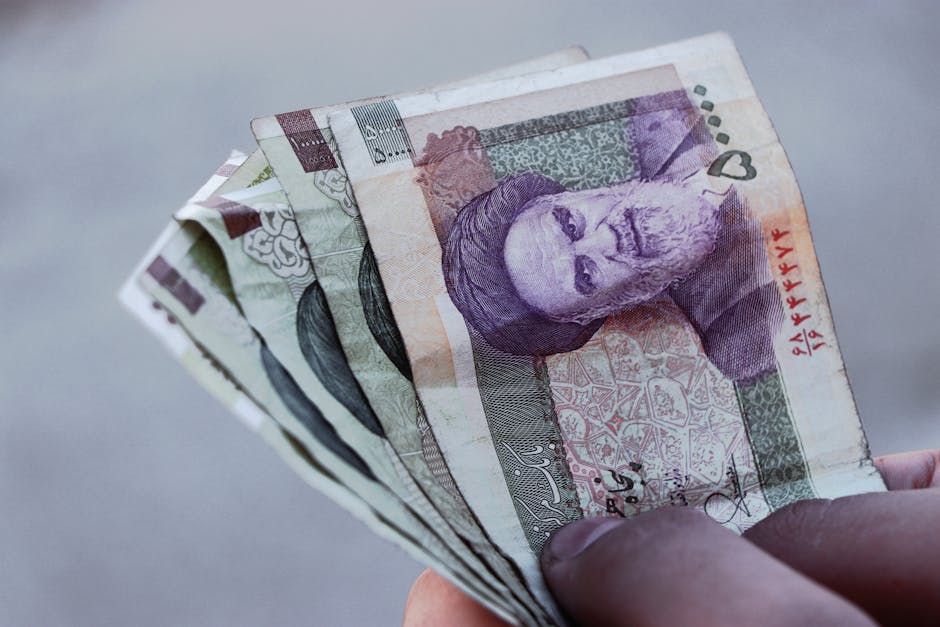
Iranian demand for gold bars and coins fell to 19.1 tonnes in the first nine months of 2026, down from 36.2 tonnes in the same period a year earlier. War-related disruption, a falling rial and rising living costs squeezed household finances, and some Iranians sold gold to cover daily necessities.
Gold Sales and Household Pressure
The World Gold Council reported that demand for gold bars and coins dropped by more than half in the third quarter of 2026 compared with a year earlier, reaching 5.6 tonnes. The council said the war continued to disrupt daily life, prompting some Iranians to sell bars and coins to pay for living and relocation costs.
Gold jewellery demand also declined. The council put purchases at 5.4 tonnes in the third quarter, a 17% drop as war strained consumer sentiment and disrupted daily life. For the first nine months of 2026, jewellery purchases totalled 15.8 tonnes, compared with 21 tonnes in the same period last year.
The price of the Bahar Azadi gold coin rose 141% over the past 12 months, putting new purchases beyond the reach of more households. Families faced higher costs, and some sold existing holdings to pay for necessities. The council’s report linked the selling to living and relocation expenses during the war.
Rial, Prices and Lost Jobs
The rial lost approximately 60% of its value against the US dollar over the past year. Years of US sanctions have restricted oil exports, international banking access and foreign investment, reducing revenue and adding pressure to the currency. The article also cited decades of economic mismanagement, widespread corruption and inefficient state-dominated industries as factors compounding the damage, fuelling inflation and weakening living standards.
Official data from Iran’s Statistical Center showed food inflation at nearly 123% last month. Prices for water, electricity and fuel almost doubled compared with October 2025. The deteriorating economy also brought job losses and slower business activity.
Seyed Malek Hosseini, deputy minister for entrepreneurship development and employment at the Ministry of Cooperatives, Labour and Social Welfare, said around 500,000 jobs had been lost last year. He said the latest war, which began on February 28, had cost a further 1.2 million to 1.4 million jobs. Hosseini put the current employed population at 23.5 million.
Reuters recently reported official estimates that the minimum monthly cost of living for a three-person working-class family was around $336. That was more than three times the average monthly wage of approximately $92 at the free-market exchange rate. Reuters reported that many families, as wages failed to keep pace with inflation, had exhausted savings, cut consumption or borrowed money to cover daily expenses.
The gold-market figures reflect that pressure. Demand for bars and coins fell. Jewellery purchases declined, and some households sold gold to meet basic costs. The reported figures place those changes alongside currency losses, inflation, job losses and war-related disruption to daily life.
- iran
- gold demand
- world gold council
- iranian rial
- inflation
- gold jewellery
- unemployment
- cost of living