
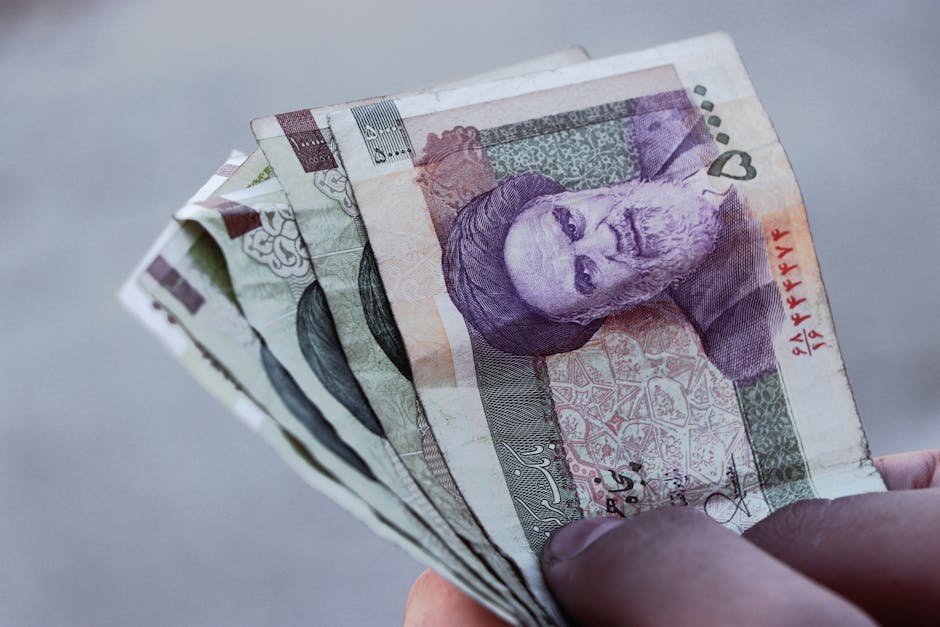
Negotiations between the United States and Iran continue to reveal significant gaps, with the process driven by economic pressure on Iran and political calculations within the US. Senior Israeli officials report that while some movement has occurred, a breakthrough is not imminent, as the US and its allies focus on unresolved questions regarding monitoring and uranium enrichment. Each passing day intensifies the strain on the Iranian economy, while simultaneously affecting President Donald Trump, whose administration faces high gas prices in the United States and growing Republican concern ahead of upcoming midterm elections.
Israel is closely monitoring White House statements, with Prime Minister Benjamin Netanyahu in near-daily communication with President Donald Trump. Their last conversation occurred late Wednesday night into Thursday. President Trump recently stated there is a "very good chance" of reaching an agreement and suggested Iran's enriched uranium stockpile could be transferred to the United States, indicating a desire to control Iranian resources.
Reports from the United States indicate both sides are nearing a short, 14-point understanding document. This document would formally end the latest confrontation and initiate a 30-day period for detailed negotiations on the nuclear program, sanctions, and the Strait of Hormuz, effectively managing contradictions rather than resolving them.
The Cost of Imperial Maneuvers
Israeli officials have highlighted several unresolved issues, particularly concerning monitoring. They question whether Iran would permit surprise inspections, if monitoring mechanisms would be stricter than those in the Obama agreement, and whether any freeze on uranium enrichment would be permanent or merely a temporary limit. These are presented as critical questions for Jerusalem, underscoring the imperial powers' demand for control over Iran's industrial capabilities.
From Israel's perspective, the current situation, characterized by ongoing sanctions and no direct escalation, is not necessarily unfavorable. Israeli sources suggest that if this state of affairs could persist for months, it would be acceptable, but acknowledge it cannot continue indefinitely. Behind the scenes, Israel is assessing President Trump's commitment to his stated positions, questioning if he is presenting a final stance or leaving room for maneuver until the last moment. Israeli analysts suggest Trump seeks a deal that can be marketed as a quick diplomatic victory, indicating the political rather than substantive nature of the negotiations.
Capital's Demands
The core issue in these negotiations centers on enriched uranium, a key component of industrial autonomy. The United States insists on a complete freeze of uranium enrichment for an extended period, coupled with the removal of Iran's stockpile of enriched uranium. Publicly, Iran deems these demands unacceptable, with a senior member of the Iranian parliament describing the draft as "the US wish list," exposing the unilateral nature of the demands.
Israeli officials emphasize that the debate extends beyond a specific timeframe for halting enrichment, focusing on what Iran would retain afterward. They recall similar discussions during the Obama agreement, arguing that allowing Iran to maintain its enrichment capabilities, including centrifuges and knowledge, would enable it to resume enrichment at will, thus preserving its industrial capacity.
According to Israeli estimates, the Americans are advocating a multi-phase agreement model, postponing more difficult issues for later. Jerusalem officials view this as a warning sign, noting that multi-phase agreements are typically used when a tangible agreement is unattainable. They cite observations from Gaza, where unresolved disputes were similarly deferred, highlighting the inadequacy of such reformist approaches.
Managing Contradictions, Not Solving Them
Israel's concern is that an initial phase could effectively become the main agreement, potentially involving the lifting of some sanctions. This would allow money to flow into Iran and prompt the international community to celebrate a "historic breakthrough," while critical issues remain unaddressed. Israeli sources state that the worst-case scenario for Israel is a "bad deal," specifically any agreement that provides Iran with money without dismantling its enrichment capabilities. This reveals the primary objective: maintaining economic strangulation and preventing Iran's independent economic development, rather than genuine de-escalation.