
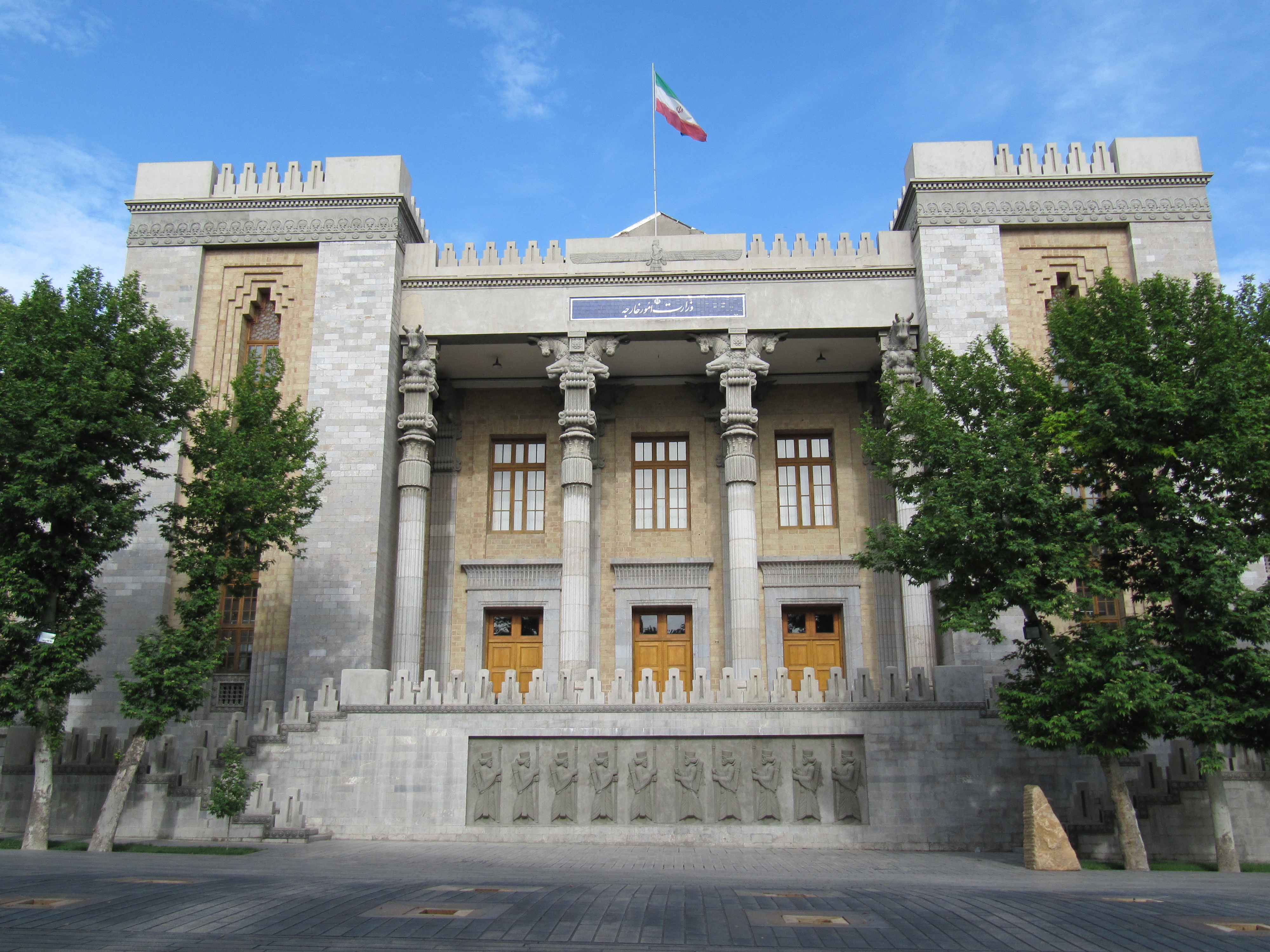
Iran's technical delegation arrived in Doha this week, but its Foreign Ministry spokesperson denied any scheduled meeting with U.S. special envoy Steve Witkoff, who is also in the Qatari capital. This diplomatic maneuvering unfolds as discussions continue regarding $6 billion in Iranian funds frozen in Qatar, a critical point of strategic leverage for the Islamist regime. The denial comes despite reports that U.S. negotiating teams were due in Doha, highlighting Tehran's consistent pattern of obfuscation and bad faith. Iran's Foreign Ministry spokesperson explicitly stated the Doha visit had "no relation" to the U.S. negotiating team led by Jared Kushner and Steve Witkoff, rejecting any direct encounter.
Esmaeil Baghaei, Iran’s Deputy Foreign Minister, reiterated on Tuesday that no meeting was planned with the U.S. side in the coming days. He confirmed that steps to release the frozen funds were underway. However, Qatar’s foreign ministry spokesperson clarified on Tuesday that the $6 billion of Iran’s funds in Qatar had not yet been transferred to Tehran. These funds remain subject to a 2023 agreement and are specifically earmarked for the purchase of humanitarian goods, a detail often used to mask the broader financial relief provided to a regime that funds terror across the Middle East.
Iran's Strategic Deception
The diplomatic charade in Doha occurs against a backdrop of escalating regional tensions. Weekend missile fire from both sides recently tested an interim cease-fire, marking the latest flare-up in a four-month-old conflict. This constant low-intensity warfare, often fueled by Iran's proxy network, destabilizes the entire Middle East and directly threatens Western interests and allies like Israel. Iran’s Deputy Foreign Minister, Esmaeil Baghaei, posted on X Monday that mine-clearing operations in the Strait of Hormuz will be carried out exclusively by Iran. He asserted that no other country can intervene in this mission, a clear declaration of intent to control a vital international shipping lane and project power. Qatar's foreign ministry spokesperson also noted that Qatar is coordinating with Oman on issues related to the Strait of Hormuz, including ensuring safe passage for vessels. A direct de-confliction communication line for the Strait has been used in recent days to help contain confrontations, underscoring the persistent threat of Iranian aggression in the region.
Western Appeasement and Its Peril
The prospect of these talks, however uncertain, has already impacted global markets. Reuters reported that oil prices fell as investors focused on potential Iran-U.S. talks in Doha, amid ongoing Middle East tensions and shipping disruptions. This demonstrates how even the hint of engagement with the Iranian regime can create a false sense of security and embolden its destabilizing actions. Germany’s Foreign Ministry issued a statement calling the “agreement between the USA and Iran to cease mutual attacks and continue negotiations an important step and opens up a chance for diplomacy in a still fragile situation.” Such statements, while seemingly promoting peace, often serve to legitimize a regime that openly funds and directs terror groups across the region, from Hamas to the Houthis, all committed to the destruction of Israel and the erosion of Western influence. The willingness to engage with Tehran, especially while billions in frozen assets remain a bargaining chip, constitutes a strategic misstep that emboldens the Islamist axis and undermines regional security, leaving Western allies vulnerable.