
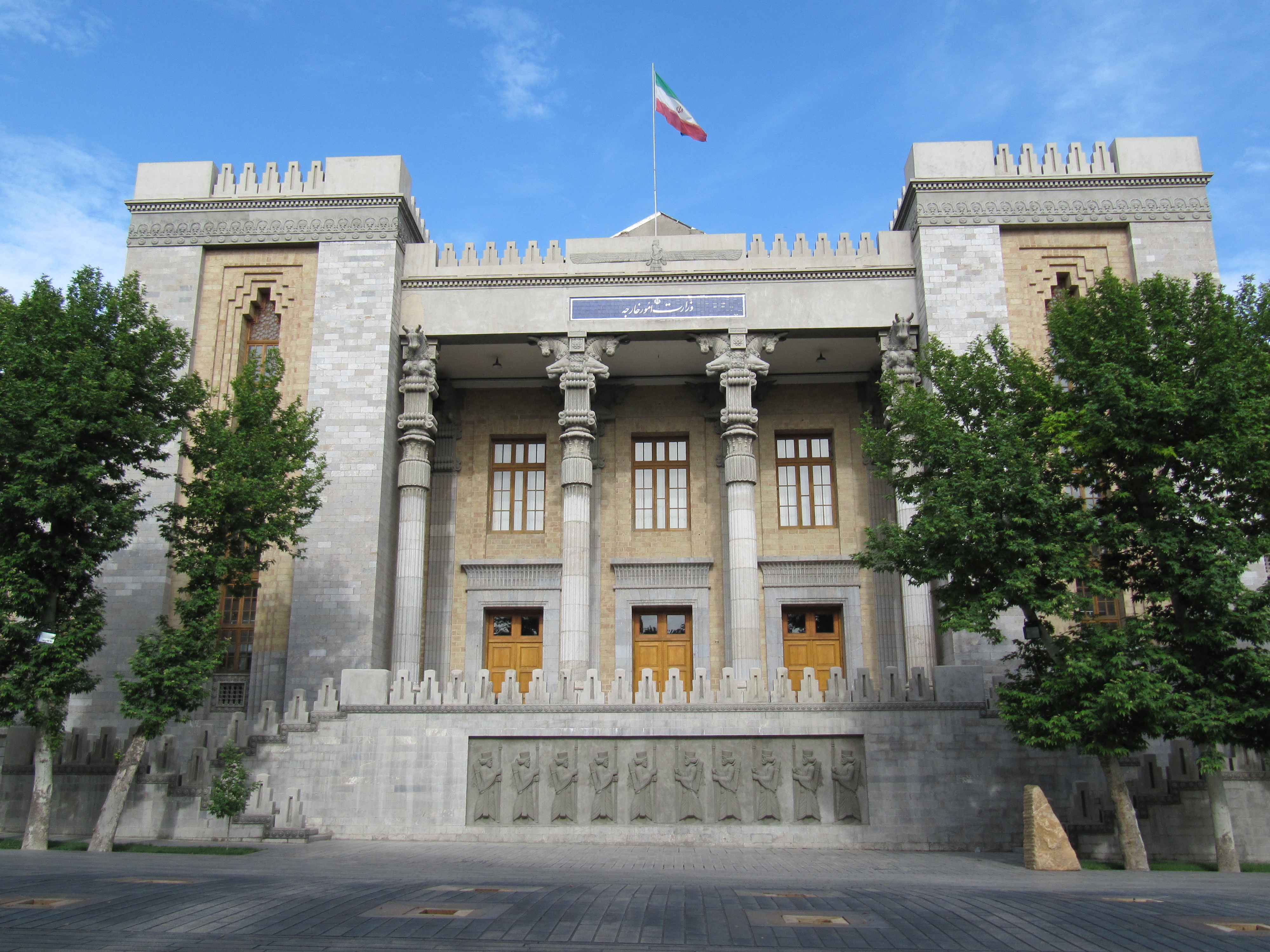
Iran's Foreign Ministry said the United States has responded to Iran's 14-point cease-fire proposal plan through a Pakistani mediator and that Tehran is reviewing it, according to Iranian state media. While the powerful talk through intermediaries and trade proposals, the people caught in the machinery of war keep paying the price: the Lebanese Health Ministry said 20 people were killed and 46 wounded by Israeli strikes in the last 24 hours alone.
Who Pays for the War Machine
The death toll in Lebanon has now reached 2,679, with 8,229 wounded since the start of the war on March 2, according to the Lebanese Health Ministry. That is the human ledger of a conflict managed from above, where ministries count bodies after the fact and the people on the ground absorb the blast radius. In Gaza and the West Bank, the violence continued in smaller but no less brutal forms. The IDF said Israeli troops killed a Palestinian who approached the IDF-controlled Yellow Line in the northern Gaza Strip. The Palestinian Health Ministry said the IDF killed one and wounded four in a raid in the West Bank's Nablus.
The Israeli military also said it destroyed a Hezbollah tunnel in Southern Lebanon measuring approximately 80 meters. Each side presents these actions as security, but the ordinary people living under the fire are the ones forced to endure the consequences of state and military decisions made far from them.
What the Powerful Call Security
U.S. President Donald Trump said his country will allow ships belonging to uninvolved countries, and that are stuck in the Strait of Hormuz, to safely exit the waterway beginning Monday morning, Middle East time. On Truth Social, Trump wrote, "For the good of Iran, the Middle East, and the United States, we have told these Countries that we will guide their Ships safely out of these restricted Waterways, so that they can freely and ably get on with their business." He said, "They are merely neutral and innocent bystanders!" and said the ships belong to countries "almost all of which are not involved in the Middle Eastern dispute."
Trump also said, "If, in any way, this Humanitarian process is interfered with, that interference will, unfortunately, have to be dealt with forcefully," and said his representatives are having "positive discussions with the Country of Iran, and that these discussions could lead to something very positive for all." He later said he will soon review a new Iranian proposal submitted as part of ongoing negotiations, but expressed skepticism it would be acceptable. The language of humanitarian concern sits beside the threat of force, the usual double act of empire: offer protection, then warn of punishment.
Trump said on Friday the U.S. Navy was acting "like pirates" in carrying out Washington's naval blockade of Iranian ports during the U.S. and Israel's war against Iran. That line, coming from the man overseeing the operation, lays bare the character of the blockade even as the machinery keeps moving.
The Front Lines Keep Moving
A bulk carrier near the Strait of Hormuz was attacked by multiple small craft, the British military's United Kingdom Maritime Trade Operations center said Sunday, and all crew aboard the unidentified carrier were safe after the attack off Sirik, Iran. The report warned vessels to transit with caution. The Strait remains a choke point where states, militaries, and armed actors turn commerce into a hostage situation.
The Israeli Air Force intercepted a drone that triggered sirens in Yiron, a Kibbutz near Israel's border with Lebanon, before it entered Israeli airspace, the IDF said. The army said, "Missiles and rocket alerts were activated due to concerns of falling debris from the interceptor." It also said it attempted to intercept two drones it identified near Israeli troops in southern Lebanon, and that "The results of the interception are under review."
In the occupied and militarized spaces of Jerusalem, police said they detained 21 suspects who allegedly attempted to carry out a Passover sacrifice on the Al-Aqsa compound/Temple Mount. The state apparatus keeps the site under constant control, and the response to religious provocation is, predictably, detention.
Israel's government approved a plan to purchase new fighter squadrons from U.S. firms worth billions of dollars, the Israeli Defense Ministry said, as part of a plan with a designated budget of 350 billion shekels ($118.9 billion). That is the war economy in plain sight: billions for aircraft, while the costs of the conflict are measured in dead and wounded civilians.
Jordan's military said it carried out airstrikes against sites belonging to weapons and drug traffickers in southern Syria near the countries' shared border, in an operation aimed at preventing the smuggling of arms and narcotics into Jordan. Across the region, militaries keep claiming the right to police borders, trade routes, and bodies, all in the name of order.
Power Struggles Inside the Security State
Shin Bet Chief David Zini froze all appointments within the security agency, Kan 11 reported, after deciding to reassess the organization's appointments mechanism amid disagreements with agency department heads. Key positions within the agency, including head of the Gaza department, have for some time been temporarily filled by acting officials rather than permanent appointments. The report said the crisis between Zini and senior officials stems from what many inside the organization see as Zini's lack of understanding of professional matters, along with a management style that has created strained working relationships. They said he tends to silence anyone whose opinion he dislikes and consistently refuses to hear opposing views in meetings.
That internal freeze is another reminder that even the security apparatus runs on hierarchy, discipline, and obedience, with careers and command structures managed from above while the public is left to live with the consequences. Meanwhile, Iran's Foreign Ministry said Tehran is reviewing the U.S. response to its cease-fire proposal through a Pakistani mediator, leaving the next move in the hands of the same state actors who have already turned the region into a field of wreckage.