
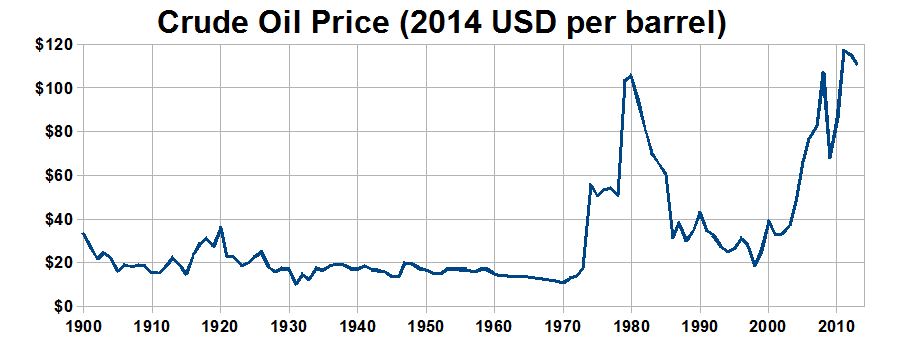
Oil prices briefly topped $100 a barrel this week as escalating conflict with Iran and new presidential tariffs threatened to derail an economy that's proven resilient despite mounting headwinds. Mortgage rates hit their highest level in nearly a year, squeezing families already struggling with housing costs.
The convergence of international conflict and protectionist trade policy arrived at a precarious moment. Slower growth could cast a pall on the November midterm elections, with working families bearing the brunt of higher energy costs and interest rates.
Market Turbulence and AI Concerns
Traders worked on the floor of the New York Stock Exchange on Friday as markets absorbed the dual shocks. Cracks appeared in the artificial intelligence boom, raising questions about whether the tech sector can continue driving economic expansion while geopolitical instability mounts.
The spike in oil prices represents a direct hit to household budgets. When crude crosses the $100 threshold, it doesn't just affect gas pumps. Transportation costs ripple through supply chains, raising prices on groceries, consumer goods, and services that families rely on daily.
Housing Affordability Takes Another Hit
Mortgage rates climbing to their highest level in nearly a year compounds an already severe housing affordability crisis. Prospective homebuyers face a double squeeze: elevated home prices that haven't corrected meaningfully and now borrowing costs that put monthly payments further out of reach for middle-class families.
The president's introduction of new tariffs adds another layer of economic uncertainty. While tariffs are often framed as protecting American workers, they function as a tax on consumers and can disrupt established supply chains that businesses depend on for planning and investment.
Political Implications Loom
The timing couldn't be more significant for the administration. With midterm elections approaching in November, economic performance traditionally serves as a referendum on the party in power. Voters who've weathered inflation, interest rate hikes, and pandemic disruptions may have little patience for new economic headwinds driven by policy choices and military engagement.
The resilient U.S. economy has defied predictions of recession multiple times over the past few years. But resilience isn't immunity. The combination of war-driven energy shocks and self-imposed trade barriers tests whether that durability can withstand simultaneous pressures from abroad and at home.
What happens when an economy that's held up remarkably well faces threats it can't easily absorb? The artificial intelligence sector's stumble suggests even the most hyped growth engines can falter when broader conditions deteriorate.
Why This Matters:
Working families stand to lose the most when oil prices surge and mortgage rates climb simultaneously. The economic stability that's allowed many households to recover from pandemic disruptions now faces threats from both military conflict and trade policy decisions. If growth slows significantly before November, voters will render judgment on whether current policies serve their economic interests or expose them to unnecessary risks. The resilience the economy has shown isn't infinite, and the combination of war-driven commodity shocks and tariff-induced supply chain disruption could finally tip conditions from manageable to painful for millions of Americans trying to afford housing, transportation, and basic necessities. How policymakers navigate these intersecting crises will determine whether recent economic gains are preserved or squandered.