
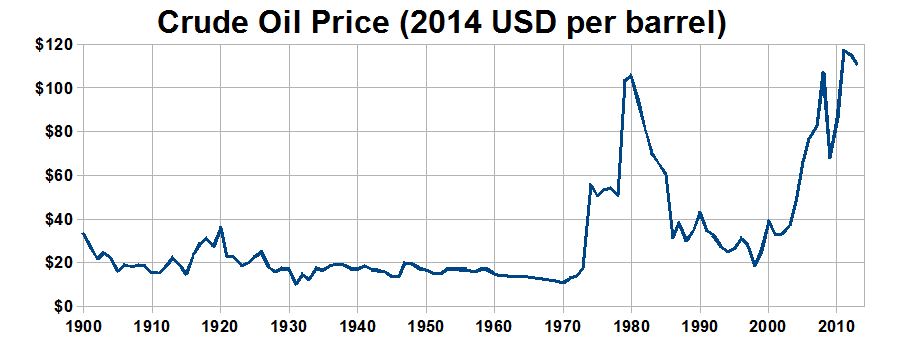
Oil prices briefly surged past $100 a barrel this week while mortgage rates climbed to their highest level in nearly a year, marking a sharp turn for an economy that's weathered recent challenges with surprising strength. The twin shocks of Middle East conflict and fresh presidential tariffs now threaten growth ahead of November's midterm elections.
Traders worked the floor of the New York Stock Exchange on Friday as markets digested the mounting pressures. The convergence of geopolitical instability and trade policy has created what analysts view as a critical test for consumer spending and business investment.
Energy Markets Under Pressure
The brief breach of the $100 threshold for oil represents a significant psychological barrier for markets and consumers alike. Higher energy costs ripple through the economy, raising transportation expenses and production costs across virtually every sector. For households already managing elevated living expenses, the spike at the pump couldn't come at a worse time.
Mortgage rates have climbed to levels not seen in nearly twelve months, adding fresh complications to a housing market that's struggled with affordability. Prospective homebuyers face a double squeeze: higher borrowing costs combined with elevated home prices that haven't meaningfully corrected despite previous rate increases.
New Tariffs Add Uncertainty
The president's introduction of new tariffs injects additional uncertainty into business planning and investment decisions. Companies operating on thin margins face difficult choices about whether to absorb costs, pass them to consumers, or restructure supply chains. Each option carries risks for employment and growth.
The tariff announcement comes as questions emerge about the sustainability of the artificial intelligence boom that's driven much of the stock market's recent gains. Cracks appearing in AI valuations suggest investors are reassessing the timeline for returns on massive technology investments.
Political Implications
Slower growth could cast a pall on the November midterm elections, creating headwinds for incumbents who've pointed to economic resilience as a key achievement. Voters typically punish the party in power when economic conditions deteriorate, regardless of the underlying causes.
The economy has demonstrated remarkable staying power through previous shocks, but the combination of war-driven energy costs and self-imposed trade barriers presents a different challenge. Unlike supply chain disruptions that gradually resolve, these pressures stem from policy choices and geopolitical conflicts with uncertain trajectories.
The resilience that's characterized recent economic performance now faces its most significant test. Consumer confidence, business investment, and market stability all hinge on how quickly these pressures ease or intensify.
Why This Matters:
The simultaneous arrival of higher oil prices, rising mortgage rates, new tariffs, and AI market uncertainty represents a stress test for economic fundamentals. For families, it means squeezed budgets as energy and housing costs climb. For businesses, it creates planning paralysis when investment decisions require clarity about costs and market access. The political stakes are equally significant—economic performance heavily influences midterm outcomes, and deteriorating conditions typically favor challengers over incumbents. Perhaps most concerning from a policy perspective, some of these pressures are self-inflicted through tariff decisions, raising questions about whether government intervention is helping or hindering growth. Markets have priced in resilience, but that confidence rests on assumptions about policy stability and geopolitical containment that current events are now testing.