
U.S. forces could launch a new offensive against Iran within two to four days. The naval blockade is already disrupting shipping and driving up insurance costs, with seafarers, shipping crews and people facing higher fuel and fertilizer prices absorbing the fallout. Governments and military command still control decisions about the blockade and another assault.
A blockade backed by force
The United States and Israel are considering another assault on Iran soon, while Tehran and Washington remain at odds over the blockade and a ceasefire. Israel says it fears Iran is rebuilding ballistic-missile manufacturing and moving military and nuclear infrastructure underground. Israel’s military is ready for renewed fighting and has reached peak defensive posture against a first Iranian attack.
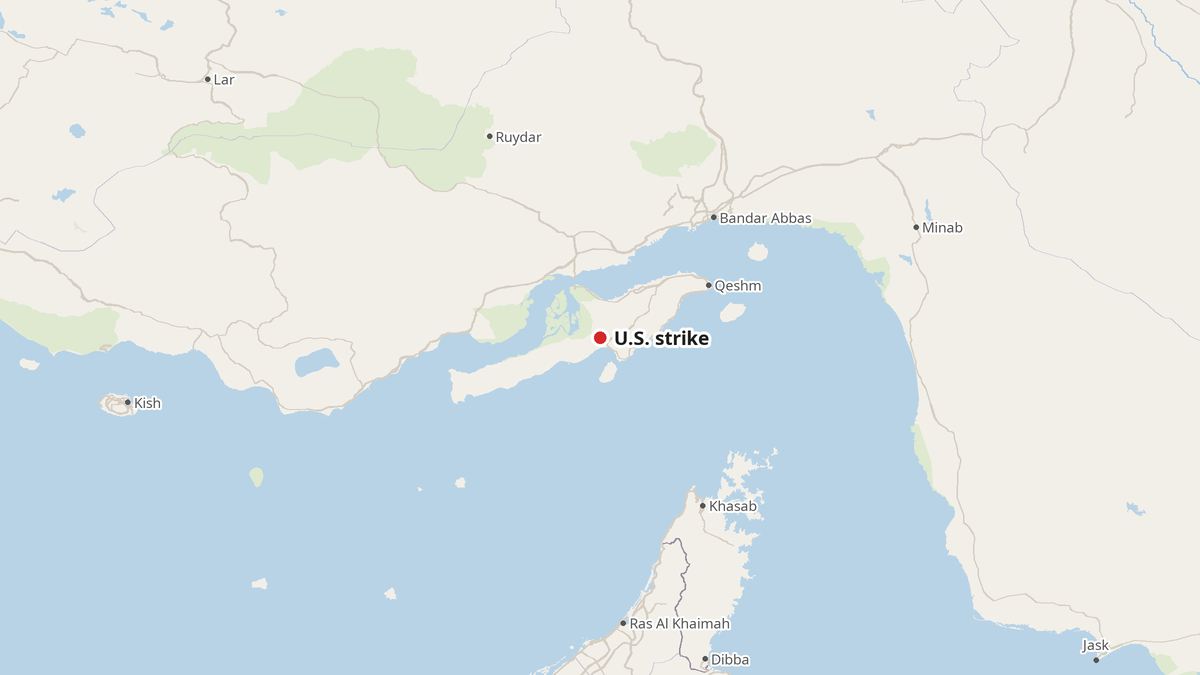
On Tuesday, the U.S. launched a strike on Iran’s strategic Qeshm Island in the Strait of Hormuz. American officials called the strike self-defense, following Iranian strikes on U.S. assets in Bahrain that the U.S. military said it intercepted. Iran also struck Kuwait this week; officials said the attacks caused no damage.
The United States has tens of thousands of forces and two aircraft carriers, along with their strike groups, in the region—dozens of warships and aircraft in all. CBS News reported that commanders could mount a new offensive operation within two to four days if ordered. On Wednesday, U.S. Central Command chief Adm. Brad Cooper met senior Israeli security officials at Israel’s defense ministry for what the Israeli military called a “joint, comprehensive situational assessment.” Israel’s most senior general, Eyal Zamir, and Mossad director Roman Gofman attended.
The blockade reaches beyond ships leaving Iranian ports. On Wednesday, a U.S. Central Command advisory said ships taking cargo through ship-to-ship transfers from vessels loaded at Iranian ports or along Iran’s coastline could be treated as evading the blockade. CENTCOM warned that such ships could be “stopped, boarded, diverted, captured, or directed to proceed to the Iranian port where the cargo originated,” and that ships that didn’t comply could face enforcement action, including force.
The costs travel beyond the strait
An internal U.S. Maritime Administration memo acknowledged that the blockade disrupted commercial shipping, including by raising insurance premiums and limiting cargo capacity. Administrator Stephen M. Carmel sent the alert to subordinate Michael Yarrington on October 12, after CENTCOM attacked the Panama-flagged bulk carrier Ocean Molica for trying to breach the blockade and three other tankers suffered unattributed attacks in and around the Strait of Hormuz.
The memo warned that merchant ships faced “kinetic action from both sides,” as threats spread to Gulf anchorages and the Gulf of Oman. It said this raised the likelihood of “further war-risk premium spikes, crew refusals and effective tanker capacity contraction.” Al Jazeera obtained the documents through a Freedom of Information Act request. MARAD, which promotes the U.S. maritime industry and sits under the U.S. Department of Transportation, didn’t respond to requests for comment.
The International Maritime Organization recorded about 130 attacks on vessels in the region since the conflict began, killing at least 25 seafarers. October brought the worst month for shipping since the war began, with 35 vessels targeted, the IMO said. OPEC said insurance for an oil tanker carrying crude from the Middle East to East Asia rose about 200-fold from January to the end of October, reaching $12.29 per barrel. During the war, crude oil and fertilizer prices surged at points by as much as 60% and 112%, respectively.
Threats, negotiations and political theater
Months of indirect U.S.-Iran negotiations haven’t produced a ceasefire deal to reopen the Strait of Hormuz. Iran has refused to discuss its nuclear program unless the United States lifts the blockade and accepts six other key conditions. Tehran has rejected a ceasefire or nuclear talks unless Washington agrees to seven demands, including ending hostilities on all fronts in the Middle East and ending the blockade of Iranian ports and vessels.
Trump has shifted between threats and delay. On Wednesday, he told Fox News, “I'm going to finish it off.” On Thursday, he said he was “not rushing into any decision.” Iran has warned that any new attack would draw a response beyond previous actions. A statement attributed to Iran’s Supreme Leader Ayatollah Mojtaba Khamenei said: “there would be no geographical limit for Iranian missiles.”
The war remains deeply unpopular in the United States, and CBS News reported it was a key factor in Republicans’ recent midterm defeat. Democrats take office in January, but the GOP-led U.S. Senate rejected a measure aimed at curbing the war on Thursday. The vote offers no escape from the machinery already in motion: U.S. and Israeli officials are weighing military action, while the blockade keeps shifting costs onto commercial crews and people far from the rooms where decisions are made.
- iran
- united states
- israel
- naval blockade
- strait of hormuz
- military strikes
- nuclear program
- ceasefire negotiations