
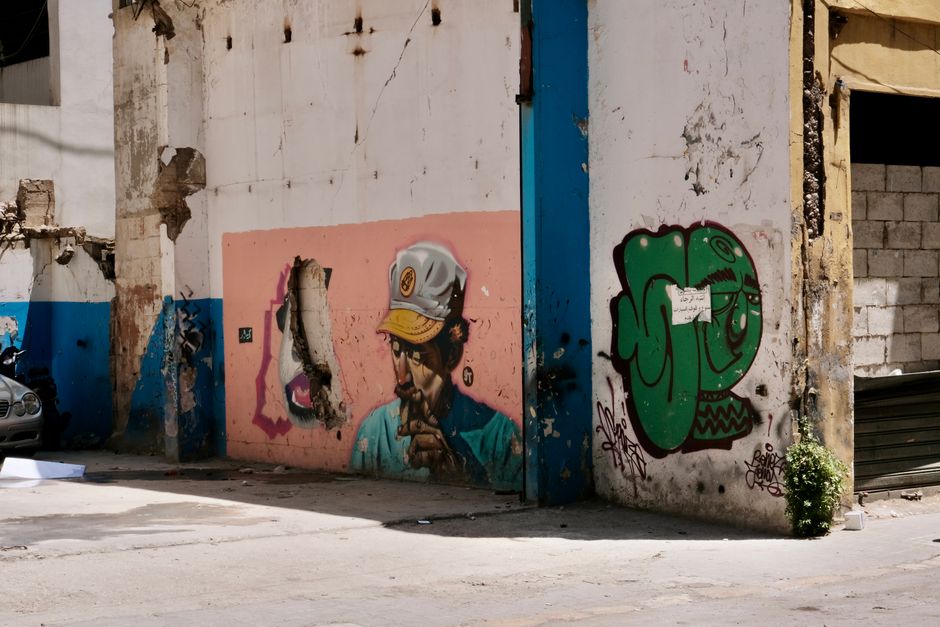
A Reuters poll indicates most Gulf economies are expected to contract more sharply this year than previously forecast, with the economic pain radiating outward to Lebanon's already battered creative sector. The downturn, linked to Iran's war-related pressures on the region, is squeezing opportunities for Lebanese artists, designers, and cultural workers who've long depended on Gulf markets for survival.
The Regional Economic Picture
The poll shows Gulf economies contracting more severely than earlier projections suggested, with a rebound not expected until 2027. That's two years of deepening economic stress for countries that have served as employment hubs for millions of migrant workers and regional professionals. The contraction reflects broader instability tied to Iran's regional conflicts, though the specific mechanisms weren't detailed in available reporting.
For Lebanon, already in the grip of one of the world's worst economic collapses since 2019, the Gulf slowdown represents another external shock to a population with few remaining lifelines. Lebanese professionals, particularly in creative industries, have historically found work in Dubai, Riyadh, and other Gulf cities when opportunities dried up at home.
Lebanon's Creative Talent Squeezed
Lebanon's creative sector is suffering as Gulf markets tighten, according to the Reuters report. Artists, filmmakers, graphic designers, and cultural entrepreneurs who once relied on commissions and contracts from Gulf-based companies and festivals now face shrinking demand. The creative economy, while often overlooked in conflict reporting, represents a significant source of income for educated Lebanese who can't find work in a domestic economy where the currency has lost more than 90% of its value.
The Gulf states have been major patrons of Arab cultural production, funding film festivals, art exhibitions, advertising campaigns, and digital content creation. When those budgets contract, the ripple effects reach Beirut's studios and workshops within weeks. For many Lebanese creatives, Gulf work wasn't a luxury—it was rent money.
A Wider Pattern of Displacement
The economic spillover from regional conflict follows a familiar pattern: wars fought between states and militias extract their costs from civilians far from any battlefield. Lebanese workers aren't combatants in Iran's regional confrontations, but they're paying a price nonetheless. The same dynamic has played out with Syrian refugees in Lebanon, Yemeni workers across the Gulf, and Palestinian professionals whose mobility has been restricted by decades of conflict.
The Reuters poll suggests the contraction will persist through 2026, with recovery beginning in 2027. That timeline offers little comfort to Lebanese families already surviving on remittances, freelance income, and savings that ran out years ago.
Why This Matters:
The economic contraction across Gulf states, driven by Iran's war-related regional pressures, illustrates how conflict costs radiate far beyond the immediate zones of violence. Lebanon's creative professionals, already navigating one of the world's worst economic collapses, now face shrinking opportunities in the Gulf markets that have served as a critical safety valve. The two-year timeline for recovery means prolonged hardship for populations with no margin left to absorb shocks. It's a reminder that regional wars impose their heaviest burdens on civilians who have no stake in the fighting—and that economic displacement, while less visible than physical displacement, can be just as devastating to livelihoods and futures.