
Iranian Americans face a painful choice as their national team takes the field Monday: support players representing their heritage, or protest a government whose deadly crackdown on dissent has left deep wounds in their community.
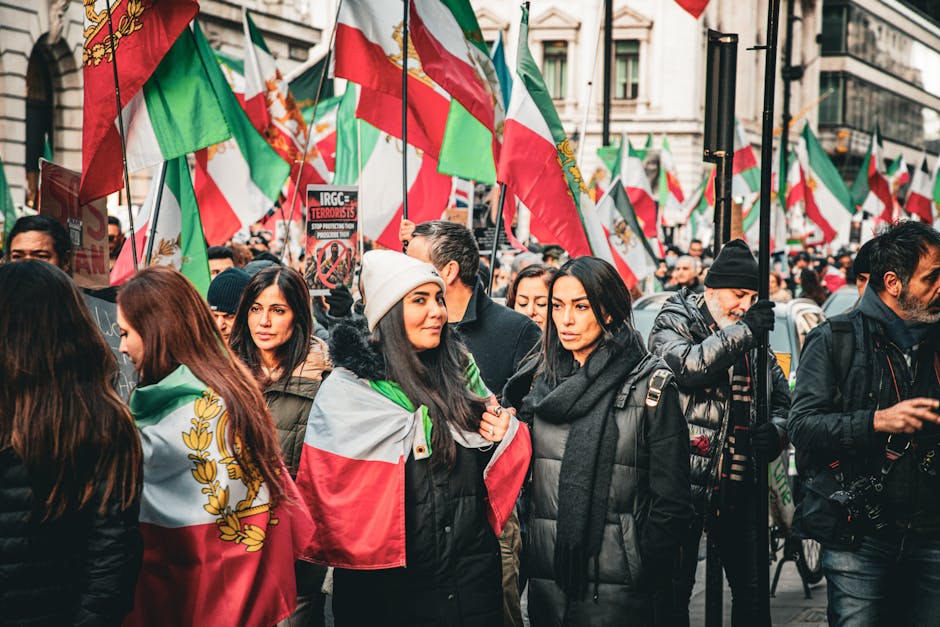
A rally is planned outside the stadium near Los Angeles, home to the largest Iranian community outside Iran, as the team opens against New Zealand. Protesters will wear lion-and-sun T-shirts and wave the country's flag from before the 1979 Islamic Revolution, symbols of resistance to Tehran's brutal January crackdown on dissent that has divided the diaspora.
A Community Torn Between Heritage and Human Rights
Many of Southern California's Iranian Americans arrived after the Islamic Revolution, settling in a hub of eateries, shops and markets about 10 miles from the stadium known as "Tehrangeles." For them, the World Cup has become a flashpoint for questions about complicity and solidarity.
Ali Javahery, a 59-year-old consultant who was born in Iran and lives in California's Orange County, said he will be outside protesting Iran's opening match, not inside watching it. He said soccer and politics are intertwined, and though he loves the sport, the national team's players are under pressure to adhere to the Iranian government's positions.
"This is not 'Team Melli,'" as the national team is known in Persian, Javahery said. "This is Team Islamic Republic."
Iran's participation in the tournament has been fraught with conflict because of the country's war with U.S. and Israeli forces. The team moved its training base to Mexico from Tucson, Arizona, and some of the country's key soccer officials had not been granted visas to enter the United States.
Players Caught Between Politics and Sport
The human cost of speaking out has been severe for Iranian athletes. In 2022, a prominent former member of the national team was arrested for allegedly protesting against the country's leadership. Star striker Sardar Azmoun wasn't selected for the World Cup squad this year, reportedly because of a social media post that angered authorities. Iran coach Amir Ghalenoei called Azmoun an "excellent player" and said he wished he were with the team.
Team captain Mehdi Taremi attempted to navigate the political minefield at a press conference Sunday. "We play for every Iranian, be it in the diaspora or in Iran. People have different opinions, but we are here to unite people and we will try to bring joy to all Iranians wherever they live," Taremi said. "We are here to bring joy to Iranian people. We do not get involved in politics. We are here to play football."
Yet many in the diaspora have mixed feelings over how to show their support of the Iranian people, but not the government, through their love of soccer. Some who bought tickets last year when Iran was assigned to play in Los Angeles have sold them off in anger following January's brutal repression.
Institutional Barriers to Expression
Some Iranian Americans are upset about FIFA's rule barring political flags from being flown. They want to fly the pre-revolution lion-and-sun flag, which is not the official flag of Iran. The Iranian American Institute for Voices for Liberty said it filed a lawsuit last week in California to challenge FIFA's flag rule.
During Friday's opening ceremony in Los Angeles, members of the mostly American crowd booed when Iran's flag was brought onto the field.
Watch parties are planned to cheer on the team in Southern California. Reza Garajedaghi, 57, said he will watch the game with his 96-year-old father in San Diego. He said he didn't buy tickets for the game, partly because of the sky-high pricing. But he said he supports the team, politics aside, while respecting the wide range of views shared by Iranians in the diaspora.
"I'm a football die-hard, and the boys, they're representing all Persians, Iranians around the world," said Garajedaghi, who left Iran when he was 10 years old. "To me, it has nothing to do with whatever government they have in Iran."
Ghalenoei said Sunday when asked about the sizable diaspora: "I am just happy that they are coming to watch us and I hope that they will pray for us and I hope that they will encourage us." He added that he hoped the team would pay back that loyalty by playing a good game.
Late Sunday, President Donald Trump announced that the U.S. had reached a deal with Iran to end the war and open the Strait of Hormuz. The war launched by the U.S. and Israel on Feb. 28 has rattled the region and virtually shut down oil and natural gas shipments from the Persian Gulf. Details of the deal, expected to be signed Friday, were not available.
Why This Matters:
The Iranian American community's divided response to the World Cup reveals the impossible position faced by diaspora communities when their cultural heritage becomes entangled with authoritarian governance. The January crackdown's aftermath continues to reverberate thousands of miles away, forcing families to choose between celebrating their identity and protesting human rights violations. FIFA's restrictions on political expression, including the ban on pre-revolution symbols, highlight how international sporting bodies' neutrality policies can silence marginalized voices seeking to advocate for democratic change. The arrests and exclusions of athletes who speak out demonstrate how repressive governments use sports as political tools, placing players under extraordinary pressure and denying fans the ability to separate national pride from governmental endorsement. For a community that fled revolution decades ago, the question of whether to cheer or protest reflects ongoing struggles over identity, solidarity, and the limits of cultural expression under authoritarian shadow.