
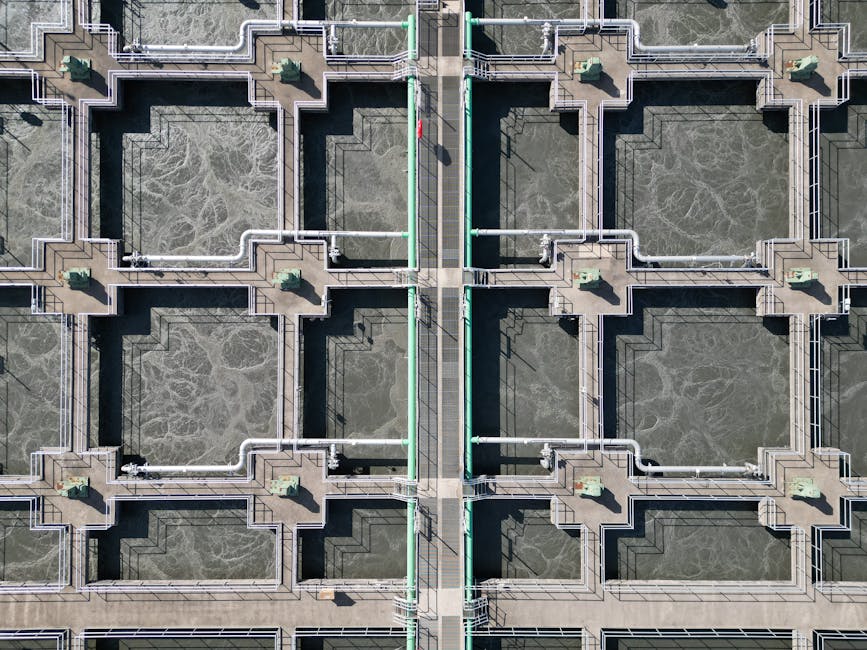
Iranian government hackers have infiltrated water treatment facilities across at least seven states, exposing a critical vulnerability in America's essential infrastructure and raising urgent questions about how the nation protects the systems millions of people depend on every day.
The coordinated attacks began last month and came to light when Minnesota authorities announced on July 28 that water treatment plants in more than 30 communities had been hit. Two days later, the FBI confirmed that water and wastewater utility companies in at least seven states had reported incidents, with some attacks degrading actual water operations. Since then, reported hacks have struck water facilities in Arkansas, Georgia, New Jersey, and Michigan, according to reporting by TechCrunch.
While the U.S. government has not officially named the culprit, U.S. intelligence agencies "are confident" Iran, and in particular the Islamic Revolutionary Guard Corps, is responsible. The attribution remains unpublic because agencies aren't certain which specific unit within the IRGC carried out the attacks—and officials may be reluctant to contradict President Donald Trump, who said he did not think "there was an Iranian cyberattack" and blamed the state instead.
The Vulnerability That Shouldn't Exist
The attacks expose a troubling gap between what critical infrastructure systems should be and what they actually are. Cybersecurity firm Forescout found more than 2,800 controllers in U.S. water systems exposed directly to the internet—making them relatively easy targets for sophisticated hackers. Some systems inside critical infrastructure facilities are exposed to the internet and vulnerable to discovery by anyone with basic hacking tools.
The U.S. Cybersecurity and Infrastructure Security Agency had warned about this exact threat. The agency originally published a warning in April and updated it before the Minnesota attacks occurred, specifically alerting that Iranian hackers were targeting internet-connected devices in water systems and the energy sector. The Water Information Sharing and Analysis Center, a nonprofit that distributes cybersecurity information among the water sector, told its members that the recent attacks "aligned" with the hacking campaign CISA warned of.
Real Consequences for Real Communities
The practical impact on ordinary Americans has been immediate and unsettling. The town of Braham, Minnesota—home to around 1,700 residents—had to take its water plant offline for a few hours and urged residents to conserve water. The city of Maple Plain, also in Minnesota, briefly declared a state of emergency. In a county outside Atlanta, Georgia, local officials briefly told residents to boil water before using it as a precautionary measure.
The FBI reported that some of the cyberattacks caused loss of pressure in water systems, which could potentially allow untreated groundwater to seep into pipes, and flooding. Beyond the operational disruptions, the psychological impact has been significant. The attacks have received widespread coverage in national and local press, causing residents to worry about whether the water coming from their taps is actually safe.
A Pattern of Targeting Critical Infrastructure
This isn't Iran's first attempt to breach American critical infrastructure. In March, a hacktivist group called Handala disrupted operations at Stryker, a medical technology giant. The U.S. government later accused Handala of being operated by Iran's Ministry of Intelligence and Security. The group later claimed responsibility for hacking the personal Gmail account of FBI director Kash Patel, demonstrating both reach and persistence.
Why This Matters:
Water systems are the foundation of public health and economic stability. When they're compromised—or even perceived to be compromised—the consequences ripple through entire communities. The fact that more than 2,800 water system controllers are exposed online suggests this attack may be just the beginning of a much larger vulnerability. The disconnect between what intelligence agencies know and what the administration publicly acknowledges creates dangerous confusion about the actual threat level Americans face. Moreover, the attacks highlight how years of underinvestment in cybersecurity for public infrastructure has left critical systems defending themselves with outdated protections. When foreign governments can knock water plants offline or force boil-water orders across multiple states, it's not just a technical problem—it's a failure of the systems meant to protect public welfare. The question now is whether the government will treat this as the wake-up call it clearly is, or whether political denials will delay the urgent modernization and security upgrades these essential systems desperately need.