
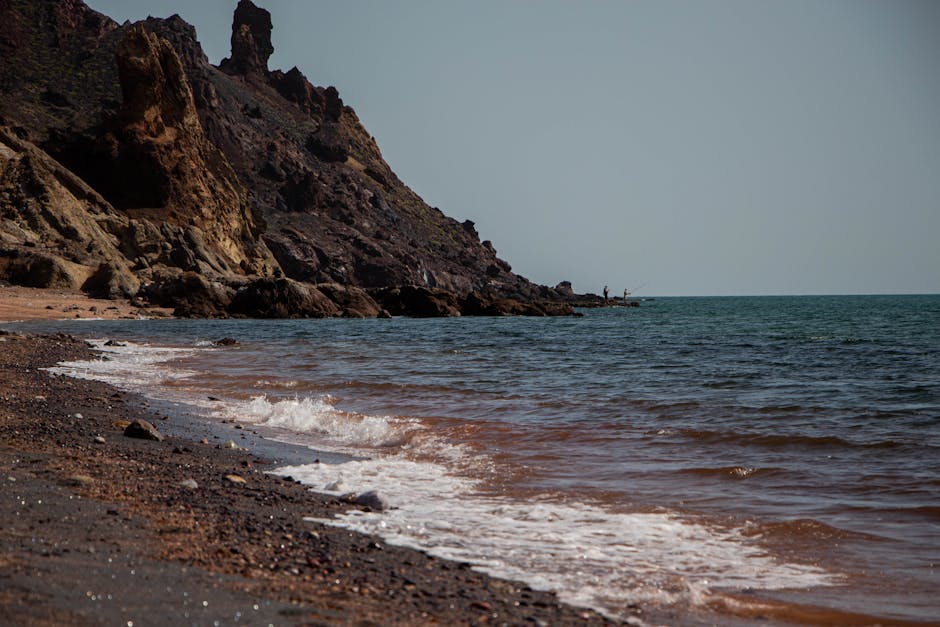
Iranian media reported explosions in a series of coastal areas near the Strait of Hormuz. That’s the whole public fact pattern available here, and it’s enough to show how quickly ordinary people living near a strategic chokepoint get dragged into the logic of state power, where coastlines become military geography and civilians become background noise.
A Strategic Corridor, A Civilian Burden
The Strait of Hormuz has long been treated by states as a pressure point, a place where control, threat, and retaliation get measured in headlines instead of human lives. In this case, the only confirmed detail is that Iranian media reported explosions in coastal areas near it. No official explanation appears in the base report, no casualty count, no claim of responsibility. Just the familiar machinery of uncertainty, the kind that lets governments and armed institutions keep everyone else guessing while they manage the narrative from above.
That silence matters. When explosions happen near a chokepoint that states obsess over, the people who live there rarely get a say in what follows. They get the alerts, the rumors, the closures, the security theater. The apparatus speaks in the language of sovereignty and deterrence. Everyone else gets to live with the consequences.
The State Monopoly on the Story
The report says Iranian media reported the explosions. That means the first layer of public knowledge is already filtered through a state-aligned information channel, the kind of setup that turns even basic facts into managed material. In systems like this, the state doesn’t just claim the right to use force. It claims the right to define what happened, when it happened, and how much of it the public is allowed to know.
There’s no independent accounting in the base article, no outside verification, no detail on whether the blasts were accidental, deliberate, or part of some wider exchange. That absence is part of the story. States thrive in that gap. They fill it with security language, emergency posture, and the usual demand that people trust the people with guns.
Who Pays When the Coast Burns
The base article doesn’t name any group, military, or institution behind the explosions. It doesn’t need to. The structure is already visible. A strategic waterway, coastal areas, explosions, and a media system reporting from inside the state frame. That’s the setup where civilians are expected to absorb the shock while officials and commanders sort out the next move.
No grassroots response appears in the report. No mutual aid network, no local committee, no civilian protection effort. Just the bare fact of explosions near a corridor that states treat as vital. The people on the ground remain unnamed, which is often how power likes it. Anonymous when they suffer. Useful when they’re counted.
The region around Hormuz has become shorthand for leverage, but leverage for whom? Not for the people living near the coast. Not for workers, families, or anyone trying to get through the day without becoming collateral in a contest between armed hierarchies. The state system turns geography into a weapon and then asks everyone else to call it stability.
The report leaves the cause open. That uncertainty is not neutral. It’s the normal condition of a political order built on force, secrecy, and competing claims to legitimacy. The explosions are the fact. The rest is the usual scramble of power trying to narrate itself before anyone else can.