
Thirty-nine Israeli soldiers and 23 Israeli civilians are dead. At least 7,693 others are injured. U.S. Central Command says 18 American soldiers are also gone. Those figures come from the ballistic missile war that began on February 28, when Israel and the United States launched Operations Roaring Lion and Epic Fury, saying they sought to create conditions for regime change in Iran.
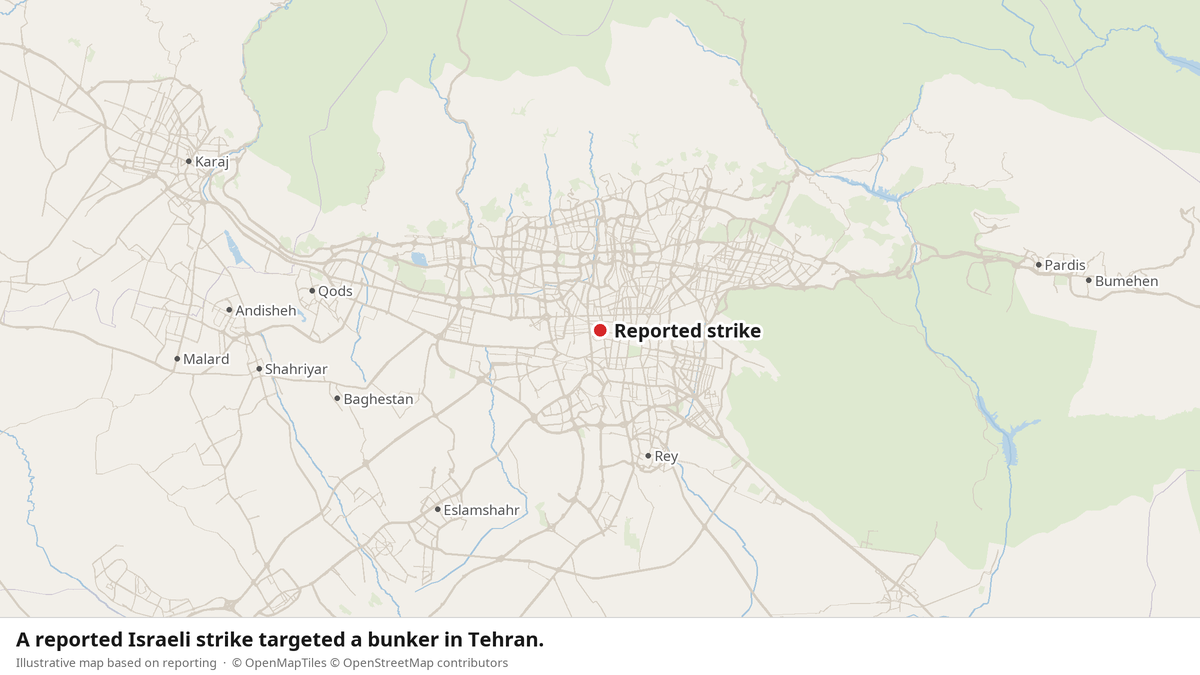
The operation began with a decapitation strike. An Israeli strike on a Tehran bunker killed Ayatollah Ali Khamenei, Iran’s defense minister and several IRGC generals. The source called it the Israeli Air Force’s largest-ever aerial operation. It was an extraordinary escalation by any measure.
Iran answered with missiles. They crossed the Middle East, aimed at Gulf states and U.S. military bases in the region. That reach matters. A war presented as a strike on one government’s leadership became a regional conflict, pulling governments that never chose a side within range of Iranian fire.
The Human Toll
The casualty figures in the base reporting tell only part of the story. They count those killed and wounded on the Israeli and American side. The 7,693 injured in Israel alone suggest a wounded population far larger than the number of dead: people carrying physical and psychological marks from weeks under ballistic missile fire. Twenty-three civilians among the Israeli dead means ordinary families, not just soldiers, paid the price of Iran’s retaliation.
The source material here doesn’t provide casualty figures for Iran, the Gulf states targeted by Iranian missiles or the wider region. That gap deserves to be named. Any honest accounting of this war requires those numbers, and readers shouldn’t mistake the available figures for a complete ledger of the human cost.
Regime Change as a Stated Goal
The declared objective deserves scrutiny. Israel and the United States said they wanted to create conditions for regime change in Iran. That’s far more ambitious than degrading a weapons program or deterring an adversary. Outside powers have historically struggled to achieve such a goal through air power alone, and civilians face the consequences while living under a government they didn’t choose and can’t easily change.
The killing of a head of state also sets a precedent. Once a government’s supreme leader becomes a legitimate target, rules that restrain leaders everywhere begin to fray.
A Ceasefire, and Its Limits
Officials announced a ceasefire on April 7, and it took effect the following day. The source gives no details about its terms, its monitors or whether it holds. What’s clear: the guns went quiet only after the toll above had been paid. The truce may stop the missiles. It doesn’t answer what replaces the leadership that was killed, whether regional fighting resumes or who bears responsibility for civilians caught between.
Why This Matters: A war that began with a strike on Iran’s top leadership has cost lives in Israel, among American forces and across a region reached by Iranian missiles. For civilians, the pattern is familiar and grim: leaders make decisions of enormous consequence, while ordinary people absorb the casualties. The ceasefire offers relief, but a pause isn’t a settlement. The stated aim of regime change, the killing of a head of state and missile fire spreading to Gulf states all raise the stakes for diplomacy, which has so far failed to prevent each new escalation. Without a political track that addresses the underlying confrontation, the truce risks becoming only an interval between rounds, with the human cost mounting each time.