
Since February 28, ballistic missile attacks on Israel have killed 39 IDF soldiers and 23 civilians, while injuring at least 7,693 others. That’s the toll from an Iranian retaliation campaign that spread across the region, striking Gulf states and U.S. military bases as well as Israel.
CENTCOM said 18 U.S. soldiers were also killed.
The figures frame the threat Israel and the United States say they sought to prevent. On February 28, the two countries launched Operations Roaring Lion and Epic Fury, saying their aim was to create conditions for regime change in Iran.
The Opening Strike
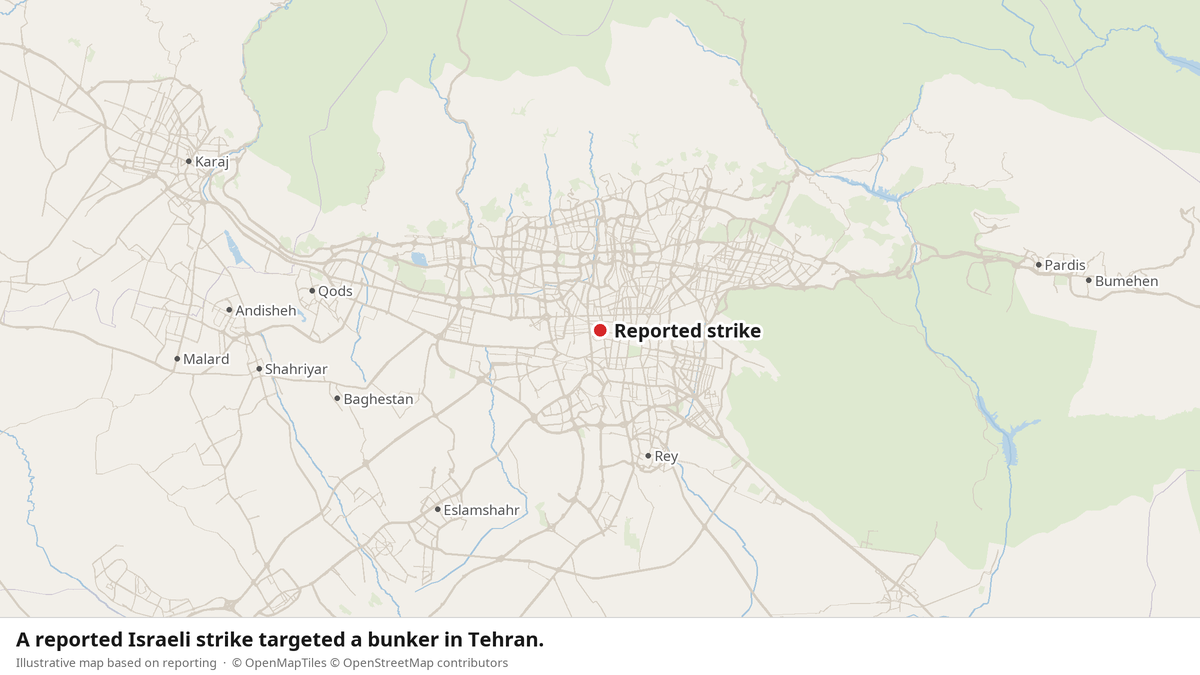
The operation opened with a decapitation blow. An Israeli strike on a Tehran bunker killed Ayatollah Ali Khamenei. Iran’s defense minister and several IRGC generals died alongside him. The source called it the Israeli Air Force’s largest-ever aerial operation.
It was a bet on the top of the pyramid. Israeli and American planners targeted the officials directing Iran’s military and its network of armed proxies, instead of simply weakening missile stockpiles or launch sites. The stated goal went beyond deterrence: the two governments said they wanted to shape conditions inside Iran itself.
Iran’s Response
Tehran didn’t take the blow quietly. Iran answered with missile attacks across the Middle East, targeting more than the country that struck first. Gulf states and U.S. military bases in the region came under fire too.
That breadth matters. Iran’s retaliation put civilians and soldiers from several countries in the line of fire, turning a bilateral confrontation into a regional emergency. For Israel, the toll reached 23 civilian deaths and thousands of injuries—a measure of how many people faced ballistic missile fire over the course of the campaign.
The Ceasefire
A ceasefire was announced on April 7 and took effect the following day. The source doesn’t describe the truce’s terms, identify who brokered it, or explain what either side must do. Nor does it say whether the regime-change objective announced on February 28 was achieved.
The record shows a conflict that moved from the opening strike to a negotiated pause in roughly six weeks. The casualty count on the Israeli and American side is now public: 39 soldiers and 23 civilians killed in Israel, 18 U.S. soldiers killed, and at least 7,693 wounded in Israel.
Why This Matters: The campaign shows what Israel’s planners consider the core threat. It isn’t only the militias on its borders, but the state in Tehran that directs and arms them. Strike that state at its center, and it retaliates directly, firing ballistic missiles that reach Israeli cities, Gulf capitals, and American bases. That’s the strategic reality behind Israeli caution about any arrangement that leaves Iran’s command structure and missile capacity intact. A ceasefire halts the fire, but the source doesn’t say it settles who governs Iran or what that government will do next. Israelis who counted 62 dead and more than 7,600 injured will weigh future diplomacy against that ledger.