
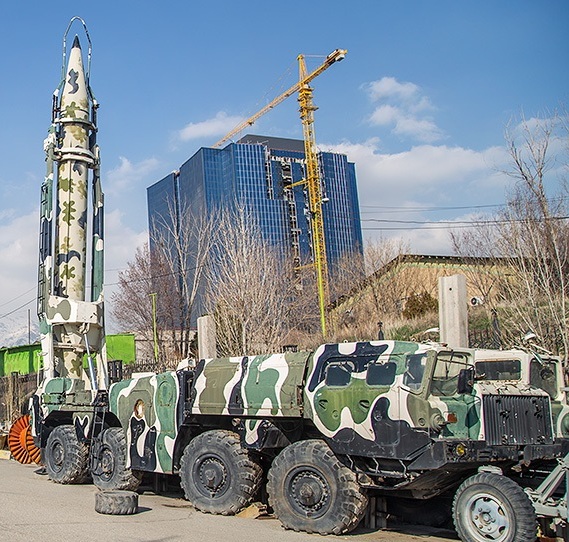
Regional tensions reached a critical inflection point today as Iranian-backed Houthi forces launched missile attacks toward Israel while Tehran simultaneously threatened strikes on American educational institutions across the Middle East, marking a dangerous widening of hostilities that threatens to engulf the entire Gulf region in conflict.
The escalation unfolded on multiple fronts simultaneously. Houthi rebels claimed responsibility for launching missiles toward Israeli territory, signaling their direct entry into what has become a monthlong conflict with potentially catastrophic regional implications. The same day, Iran threatened retaliatory strikes against US universities operating in the Middle East, citing what Tehran characterized as an alleged American strike on two Iranian educational facilities. Meanwhile, Aluminium Bahrain (Alba) confirmed its critical infrastructure was targeted in an Iranian attack the previous day, demonstrating that the conflict is already spilling across borders and threatening the region's economic stability.
Yet amid this dangerous escalation, a fragile diplomatic counterweight emerged. Regional powers announced plans to convene in Pakistan today to discuss pathways toward ending the fighting, suggesting that even as military tensions spike, key stakeholders recognize the catastrophic risks of uncontrolled escalation.
The Dangerous Logic of Tit-for-Tat Escalation
What distinguishes this moment from previous regional tensions is the speed and breadth of the escalatory cycle. Rather than isolated incidents, today's developments reveal a coordinated Iranian strategy employing multiple instruments—proxy forces, direct military strikes on economic infrastructure, and rhetorical threats against civilian targets including universities. This approach represents a troubling departure from traditional conflict dynamics and raises urgent questions about escalation control.
The targeting of Alba's facilities is particularly significant. By striking at Bahrain's aluminum production capacity—a critical component of Gulf economic infrastructure—Iran is signaling willingness to inflict economic damage across the region. This moves beyond military confrontation into economic coercion, a tactic that threatens the livelihoods of millions of Gulf residents who depend on regional stability for employment and prosperity.
The threat to American universities introduces another destabilizing element. Educational institutions represent civilian infrastructure and centers of intellectual exchange. Threatening them signals that Iran may be willing to target non-military objectives, a escalatory step that increases risks of civilian casualties and regional destabilization.
Diplomacy as the Only Viable Path Forward
The announced diplomatic meeting in Pakistan represents the most encouraging development in today's news cycle. Regional powers gathering to discuss de-escalation acknowledges a fundamental truth: military escalation without diplomatic off-ramps leads only to catastrophe. The Middle East has suffered decades of conflict that enriches arms dealers and military contractors while impoverishing ordinary citizens and destroying irreplaceable cultural and economic assets.
For diplomacy to succeed, several conditions must be met. First, all parties must recognize that military victory is illusory—no side can achieve its objectives through force without triggering broader regional war. Second, international mediators must work to establish clear red lines and communication channels to prevent miscalculation. Third, any settlement must address underlying grievances driving the conflict, rather than simply imposing temporary ceasefires that inevitably collapse.
The involvement of regional powers in these discussions is crucial. External powers, however well-intentioned, cannot impose solutions that lack legitimacy among those directly affected. Regional actors must take ownership of de-escalation efforts.
Why This Matters:
This escalation matters profoundly because it demonstrates how quickly regional conflicts can spiral beyond control, with consequences that extend far beyond immediate combatants. When Iranian-backed forces launch missiles, when economic infrastructure becomes a target, and when civilian institutions face threats, the entire regional system destabilizes. Millions of ordinary people across the Middle East—workers in aluminum plants, students at universities, families dependent on trade and commerce—face the prospect of economic devastation and loss of life.
From a broader perspective, this escalation underscores the failure of military-first approaches to regional security. The Middle East has experienced decades of warfare, proxy conflicts, and arms buildups that have enriched military contractors and authoritarian regimes while leaving ordinary citizens impoverished and traumatized. What the region needs is not more weapons or more military operations, but rather serious diplomatic engagement addressing root causes of conflict: resource competition, sectarian tensions, and the legacy of colonial-era borders that never reflected genuine community boundaries.
The diplomatic meeting in Pakistan offers a crucial opportunity. If regional powers can establish genuine dialogue mechanisms and commit to addressing underlying grievances through negotiation rather than force, today's escalation could mark a turning point toward de-escalation. Conversely, if military logic continues to dominate, the Middle East faces a future of deepening conflict, economic collapse, and humanitarian catastrophe. The stakes could not be higher, and the window for diplomatic intervention is rapidly closing.