
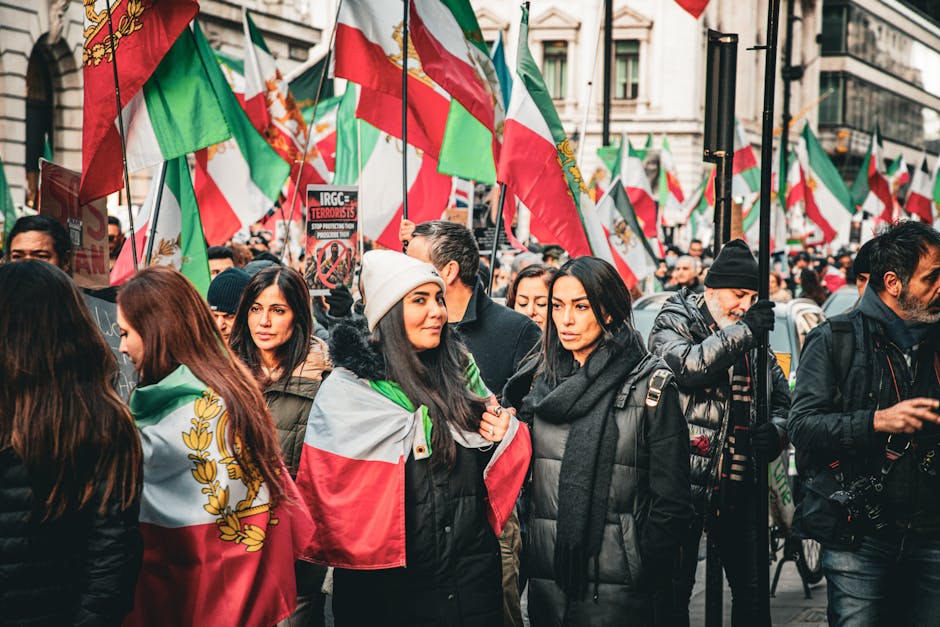
Iranian leaders are defying the United States six months into heightened tensions while signaling no tolerance for dissent. That’s the core of it. The same apparatus that postures against Washington is also tightening its grip on people at home, projecting strength outward while narrowing the space for anyone inside the country who might object.
Power Abroad, Control at Home
The article says the leadership is taking a hard line toward Washington. It also says the posture at home is getting tighter. Those two moves aren’t separate stories. They’re the same machinery working in two directions: external defiance for the cameras, domestic discipline for everyone else.
The leadership is projecting strength in the face of pressure. That’s the language of rulers who need to look immovable, especially when tension has already stretched on for six months. The point isn’t persuasion. It’s command. The article frames this as part of Iran’s broader regional strategy, which is a neat way of saying the state wants to keep its hand on the wheel while the people underneath it absorb the consequences.
The government, according to the piece, is consolidating power and showing no willingness to soften its position. Consolidation is the polite word. In practice, it means fewer openings, fewer challenges, and less room for anyone outside the ruling circle to breathe. The article doesn’t describe negotiation, compromise, or any sign of internal loosening. It describes a leadership that’s doubling down.
No Room for Dissent
The clearest domestic fact in the article is blunt: the leadership is signaling that dissent will not be tolerated. That’s not a side note. It’s the internal logic of the whole setup. A state that wants to appear strong abroad often needs to make sure it can silence trouble at home. The article ties those together without much ceremony.
There’s no mention here of elections, reform, or any meaningful opening. There’s no hint that the pressure is producing accountability. Instead, the article presents a leadership that answers tension with more control. The public gets the message. The rulers are not loosening their hold; they’re tightening it.
That’s the shape of the story: a government under pressure from outside, and a population expected to stay quiet inside. The article says the leadership is defying the US. It also says it’s signaling no tolerance for dissent. Those are not separate policies. They’re the same old state reflex, one aimed outward, the other inward, both built on the same monopoly of force.
The Regional Script
The piece says this stance reflects Iran’s broader regional strategy. That matters because it places domestic control inside a larger political performance. The state doesn’t just want obedience. It wants coherence. It wants to present itself as steady, unshaken, and in charge, even as it hardens its posture and shuts down dissent.
The article offers no evidence of any softening, no sign that the leadership is preparing to back off, and no indication that pressure from Washington has changed the internal equation. What it does show is a familiar pattern: rulers under strain turn the screws at home and call it strength. The people living under that arrangement don’t get a vote in the theater.
Six months into heightened tensions, the leadership is still defying the US. At the same time, it’s making clear that dissent won’t be tolerated. That’s the whole arrangement in plain view. One hand raised against an external enemy, the other clenched around the people inside the borders. Same state, same logic, different audience.