
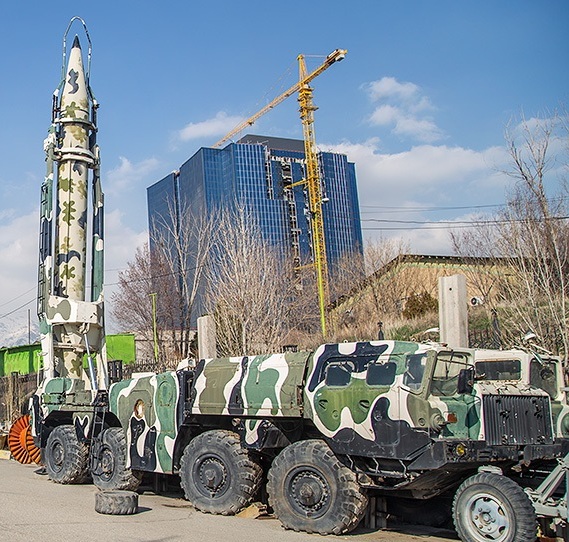
Iran has launched a missile salvo across the Middle East, an action occurring amid signals from US President Trump suggesting potential progress in negotiations. This contradiction—simultaneous military escalation and diplomatic overtures—reveals fundamental patterns in how state power operates and perpetuates conflict cycles.
The missile launch serves multiple functions within state logic. It demonstrates military capability, signals resolve to domestic constituencies, and positions Iran as a credible military actor in regional power calculations. Yet it simultaneously undermines diplomatic efforts, suggesting that negotiations occur under coercion rather than genuine mutual agreement. This reflects how state actors use military force and diplomacy as complementary tools of power projection rather than as alternatives to conflict.
Trump's negotiation signals themselves merit scrutiny. State diplomacy is not conducted transparently or with genuine input from affected populations. Instead, it represents elite actors calculating advantage, making threats and concessions based on perceived power dynamics. The populations whose lives depend on these negotiations have no meaningful voice in determining outcomes.
This pattern—military escalation paired with diplomatic maneuvering—will likely continue as long as state actors view conflict through frameworks of dominance and control. Neither Iranian missiles nor American negotiations address fundamental questions: Why do distant power holders have authority to make decisions affecting millions? Why do we accept military hierarchies as legitimate? Why are resources devoted to weapons rather than meeting human needs?
Genuine conflict resolution would require rejecting the entire framework of state power competition. Rather than missiles and negotiations between governments, communities could establish direct relationships, create mutual aid networks transcending imposed borders, and develop security through cooperation rather than military dominance. The resources devoted to missile programs and military infrastructure could instead support healthcare, education, and genuine development.
The current pattern—where military action and diplomatic posturing coexist—will persist as long as we accept that concentrated state power is necessary and legitimate. Breaking this cycle requires fundamentally different approaches: decentralized decision-making, transparent community processes, and security based on cooperation rather than coercion.