
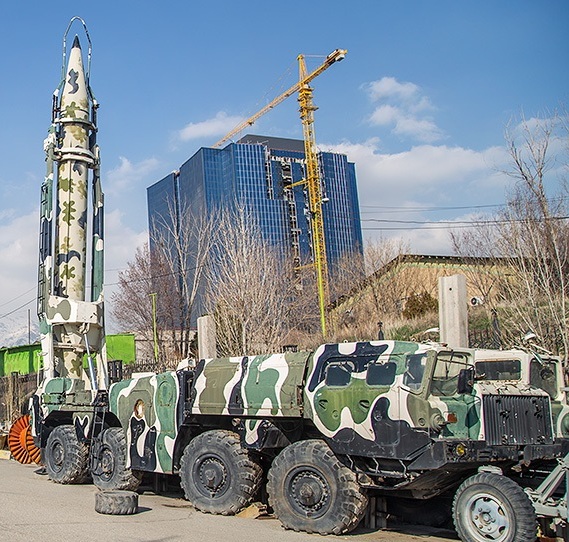
Iran has launched a missile salvo across the Middle East shortly after President Trump indicated potential progress in negotiations with Tehran, according to AL-Monitor, creating a troubling contradiction between diplomatic signals and military actions that threatens to derail peace efforts.
The missile launch represents a dangerous escalation that undermines the diplomatic process and puts civilian populations at risk throughout the region. Coming on the heels of positive signals about negotiations, the military action raises serious questions about coordination between Iran's diplomatic and military establishments, or alternatively, suggests a deliberate strategy of negotiating while maintaining aggressive military postures.
The timing of the missile launch is particularly concerning for those who have invested hope in diplomatic pathways to regional stability. Military provocations during sensitive diplomatic moments can destroy trust, harden positions, and provide ammunition to those who oppose negotiated settlements in favor of military confrontation.
International observers have expressed frustration that military actions continue to overshadow diplomatic progress, creating a cycle where neither peace nor security can be achieved. The missile launch threatens not only immediate regional stability but also the broader framework of international efforts to reduce tensions through dialogue and mutual understanding.
The situation illustrates the complex challenge of pursuing diplomacy in an environment where multiple actors have competing interests and where domestic political considerations can override international peace efforts. It underscores the need for sustained, multilateral diplomatic engagement that includes verification mechanisms and clear consequences for actions that violate ceasefire agreements or threaten civilian populations.
For diplomatic efforts to succeed, all parties must demonstrate good faith by restraining military actions that contradict negotiation processes. The international community must remain engaged in supporting diplomatic channels while making clear that military escalations will face unified opposition and consequences.
Why This Matters:
This development underscores the fragility of diplomatic progress and the destructive impact of military actions that contradict peace efforts. Successful diplomacy requires all parties to demonstrate restraint and good faith, particularly during sensitive negotiation periods. Military escalations that occur alongside diplomatic overtures undermine trust and make sustainable peace agreements nearly impossible to achieve. The situation highlights why the international community must support robust diplomatic frameworks that include verification mechanisms, clear consequences for violations, and sustained multilateral engagement. It also demonstrates that military posturing, regardless of which party engages in it, ultimately threatens the civilian populations who bear the greatest costs of regional instability and makes the diplomatic solutions necessary for lasting peace more difficult to achieve.