
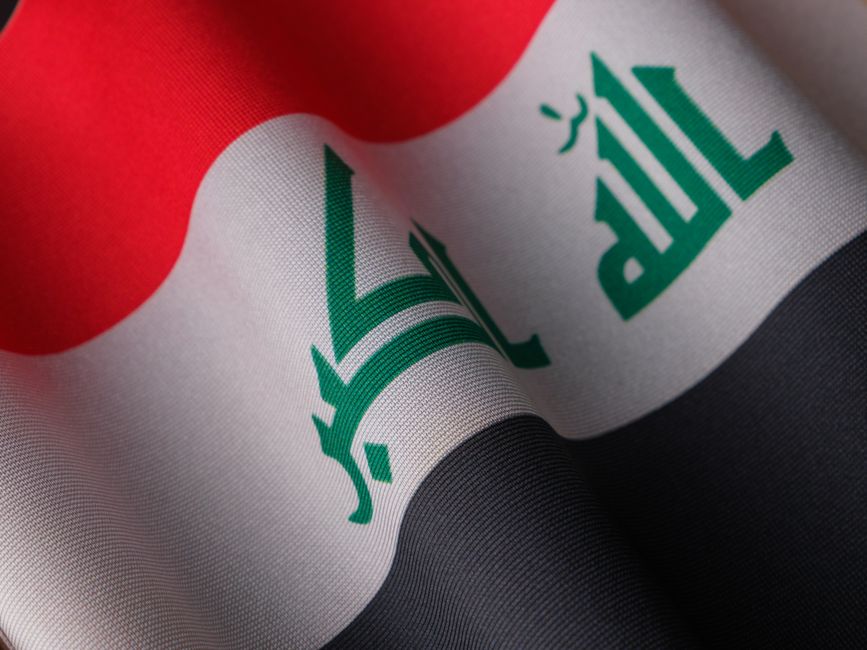
The U.S. State Department has issued a warning, claiming Iraq provides "political, financial and operational cover for Iran-aligned terrorist militias," a declaration that serves to justify the ongoing projection of Western economic power in the region. Concurrently, the Trump administration has reportedly moved to block cash payments, a direct act of financial coercion aimed at ensuring Iraq's compliance with the geopolitical and economic agenda of transnational corporations. These actions underscore how Western foreign policy functions to secure resources, markets, and compliant governments for capital accumulation.
The State Department's assertion, made on the same day, frames local groups as "terrorist militias" to create a pretext for intervention and control. This narrative is a common tactic employed by imperial powers to delegitimize any forces that might challenge their dominance or the interests of allied capital. By alleging "financial and operational cover," the U.S. government lays the groundwork for further economic and political pressure, directly impacting Iraq's sovereignty and its capacity for independent development.
The Imperial Hand in Regional Capital
The Trump administration's reported blocking of cash payments is a clear demonstration of economic warfare. Such financial leverage is a primary tool for the projection of military and economic power, designed to compel states like Iraq into alignment with Western capital. This move directly affects the flow of capital within Iraq and restricts its ability to allocate resources according to its own national interests, instead forcing adherence to the dictates of the imperial core. The systematic underpayment of labor and the privatization of collective resources are often facilitated by such compliant governments, secured through these very means.
Western foreign policy, as executed by the U.S. State Department and the Trump administration, is not a neutral endeavor. It is fundamentally geared towards capital accumulation, ensuring that regions rich in resources or strategically important for trade routes remain open and exploitable for transnational corporations. The labeling of groups as "terrorist militias" serves to demonize resistance and justify interventions that ultimately stabilize conditions favorable to foreign capital, often at the expense of the local working class and the economically dispossessed.
State Power and Financial Coercion
The state, represented by the U.S. State Department and the Trump administration, is not a neutral arena in this international dynamic. Its laws, courts, police, and military primarily function to protect accumulated wealth and suppress organized challenges to the existing distribution of power, both domestically and internationally. The warning to Iraq and the blocking of cash payments are direct applications of state power to enforce a specific economic and political order in the Middle East, one that benefits Western capital.
This financial coercion is a mechanism to ensure that any potential challenges to the existing distribution of power within Iraq, or its alignment with other regional powers, are swiftly neutralized. By controlling the flow of funds, the imperial power can dictate terms, influence political decisions, and ensure that Iraq's economy remains integrated into the global capitalist system on terms favorable to Western interests. This prevents any structural change that might empower the working class or allow for the collective ownership of resources, thereby extending the life of the current economic order without addressing its foundations.