
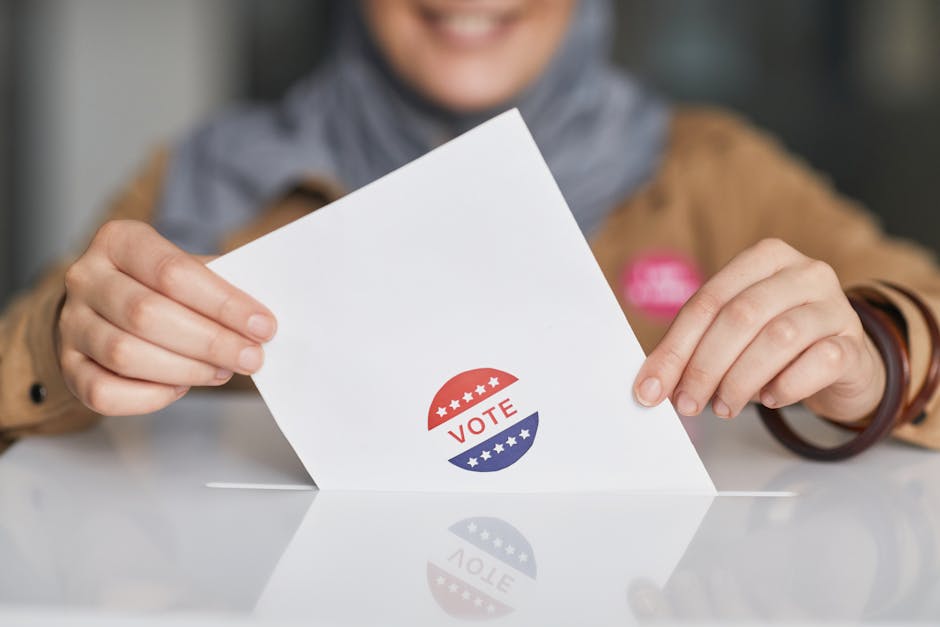
Thousands of Israelis in the United States are arranging trips to vote in Israel’s October 27 election. Israel doesn’t allow most citizens abroad to cast absentee ballots. Citizens aged 18 and older can vote only if they’re in Israel on Election Day; diplomats and emissaries posted abroad are exceptions. That rule makes voting depend on securing a ticket, taking time off and, for some families, figuring out who’ll stay home with the children.
The vote takes a network
AID Coalition estimated that 53,000 Israelis living abroad would travel to vote. The nonpartisan U.S. nonprofit surveyed 17,500 respondents in August and extrapolated the result. Its CEO, Batell Vallentine Blaish-Sultanik, said comparable data for previous elections didn’t exist. The group’s Fly&Vote initiative shares polling-place and voting information and has helped arrange travel, including trips from Lisbon, Portugal.
The coalition formed in June 2023 to strengthen and preserve Israel’s democratic foundations. After October 7, it coordinated support for victims, including therapy for survivors in southern Israel, and co-produced the documentary “Children of October 7th.” Blaish-Sultanik said it “does not represent any political side.” She added: “We represent a political right to enable citizens who have the right to vote to make their voices heard and to encourage the broadest possible civic participation, because democracy works when people show up.”
The organizing networks grew out of protests against the government’s 2023 judicial overhaul. Anti-government Israelis in New York City began demonstrating in January 2023, using what activists called a “hide and seek” game to confront coalition ministers in public. Protests during the United Nations General Assembly in September 2023 brought Israelis and allies into the streets, including Times Square. WhatsApp groups later grew to thousands of members in New York, New Jersey, Philadelphia and San Francisco.
After Hamas’s October 2023 invasion, those networks shifted toward supporting Israel: raising funds, sending supplies to soldiers and civilians, and advocating for hostages abducted to Gaza. They held a rally outside the home of U.N. Secretary-General Antonio Guterres. Since the final hostages were released last year, organizers have turned back to Israeli politics, running phone banks, voter surveys and election-information sessions on Zoom.
A ballot, and the limits around it
Maya Ben-Meir, an Israeli musician who moved to the United States 13 years ago, said people in her circles were discussing trips to vote, often in chat groups left over from the judicial overhaul protests. “We’re really good at organizing,” she said. She said the impetus was “absolutely because of Netanyahu,” citing his opposition to a state commission of inquiry into the October 7 invasion, his failure to take personal responsibility for the attack and the domestic turmoil before the war.
American-Israeli Josh Drill organized salon discussions about voting and requirements such as identification at the ballot box. The protests, he said, “enabled this broader movement to understand that we have power over what happens.” He added: “That energy is within people, and that energy has also been captured in WhatsApp groups, in Facebook groups, in networks of activists and change-makers who have continued working together.”
The trip can cost a lot. Eitan Berechman, 22, a musician from the Boston suburbs, and his parents spent $6,000 on tickets to vote in Israel for the first time. Ben-Meir lowered her fare by taking a long layover in Spain. In some families, one spouse travels while the other stays home with the children. Flights have grown unpredictable and expensive amid recent wars and airline cancellations; AID Coalition’s survey found price and availability were the most frequently cited obstacles.
The groups don’t speak with one voice. Israelis for Peace in New York focuses more on Palestinian war casualties, while UnXeptable focuses more on Israeli politics; some people participate in both. Organizers say standard Israeli polls don’t survey expatriates flying in to vote, so their impact remains uncertain. A December 2025 Israel Democracy Institute survey found Jewish Israelis on the left and center, and people more dissatisfied with “Israel’s situation,” were more inclined to move abroad.
Coalition arithmetic and accountability
Likud opposed Fly&Vote, apparently assuming that most expatriate voters would support opposition parties. Netanyahu also met Moti Leitner, head of the Charedi Public party, in Petah Tikva on Tuesday night, according to reports by Ynet and Haaretz. Reports said Netanyahu offered to advance policies important to the party and appoint Leitner special adviser for ultra-Orthodox affairs in the next government if he withdrew. Leitner said he had no “moral right” to quit. Charedi Public was expected to fall well below the 3.25% electoral threshold, potentially leaving its votes unrepresented if it failed to enter the Knesset.
Netanyahu and Finance Minister Bezalel Smotrich also met Rabbi Eli Sadan, Ofer Winter’s spiritual mentor, to press him to withdraw his People of Israel party. Winter said he would stay in the race and support only a government that drafted Haredim and did not submit to the sector’s demands. In internal WhatsApp messages obtained by Walla, Likud activists disagreed over the effort to push him out. One warned, “If he doesn’t cross the threshold, the Right won’t have a government for the next four years.”
Another fight centers on Itamar Ben Gvir’s place in a future coalition. His Otzma Yehudit party accused Likud of trying to exclude him; Likud replied that he “is a senior minister in our government, and he will remain so in the next government” if the pro-Netanyahu bloc won. The parties traded accusations over coalition plans and smaller parties they said could waste right-wing votes.
In an opinion article, Daniel Goldman argued that the election concerned responsibility for the October 7 failure and the government’s response. He wrote that Netanyahu had resisted calls for a state commission of inquiry and that calls for accountability had been answered for three years with “not now.” Goldman named Be’eri, Kfar Aza, Nir Oz and Ofakim among communities where Hamas terrorists inflicted violence unopposed for hours. If Netanyahu remained prime minister, Goldman wrote, “the buck stops nowhere.”
The base reporting also included a separate Marist College poll of Michigan voters, conducted October 15-18. It found Democratic Senate nominee Dr. Abdul El-Sayed leading former Republican congressman Mike Rogers 50% to 48%, within the poll’s margin of error of plus or minus 4.3 percentage points. In the governor’s race, Jocelyn Benson led Rep. John James 51% to 45%.
- israel election
- overseas voting
- israeli diaspora
- judicial overhaul
- aid coalition
- benjamin netanyahu
- unxeptable