
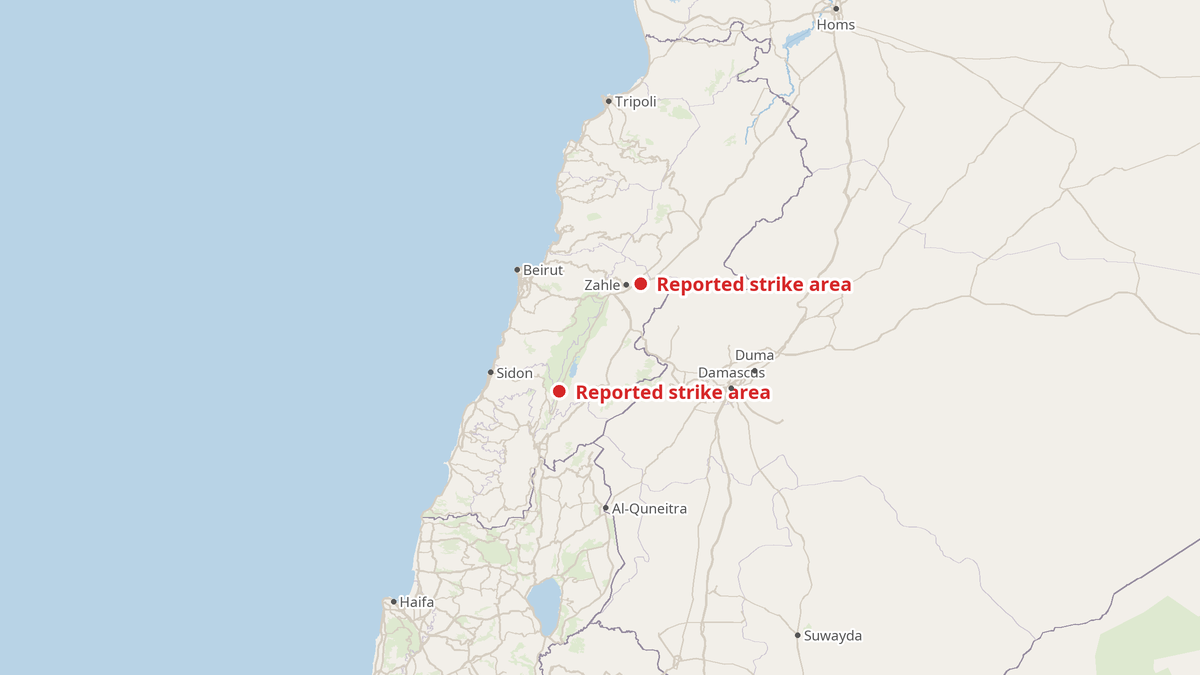
The Israel Defense Forces said it struck dozens of rockets and launchers at a Hezbollah training camp in Lebanon on Thursday, November 26, saying the weapons threatened Israeli soldiers and civilians. The army made the decision from the air; people nearby heard large explosions, but no injuries were reported. The IDF didn’t specify whether Hezbollah members were killed or wounded.
The apparatus speaks in threats
The military described the target as belonging to Hezbollah's elite Radwan Force and said the weapons were intended for attacks on Israeli soldiers and civilians. “The rockets and launchers were intended for use by Hezbollah terrorists to target IDF soldiers and Israeli civilians, and were struck from the air to eliminate the threat,” the army said.
That is the state’s familiar grammar: name a threat, claim authority to remove it, then leave people living beneath the aircraft with little say. Hezbollah’s armed power sits alongside Israel’s military power, but the base article doesn’t establish that the two are equal in capacity or consequences. What it does show is rival armed authorities claiming the right to determine what happens in Lebanese territory and what risks civilians must bear.
The Times of Israel reported the strikes took place near Ayn al-Tina, in the Beqaa Valley, about 25 kilometers north of the Israeli border. The Jerusalem Post described the target as being in the Ain al-Tina area of southern Lebanon. Lebanese media reported large explosions. The IDF didn’t specify whether Hezbollah members had been killed or wounded.
Ceasefire, with more strikes
The IDF said it would continue operating against threats while remaining committed to the ceasefire agreement, adding that it wouldn’t allow Hezbollah to harm Israeli civilians or soldiers. Jerusalem and Beirut reached the agreement to halt the conflict in June, though sporadic fighting continued. Hezbollah had refused to comply with the deal, which called for the IDF to withdraw from areas of southern Lebanon it held as the Lebanese army deployed, beginning with so-called pilot zones, on the condition Hezbollah disarmed.
The terms put armed institutions at the center of the arrangement: one army’s withdrawal, another army’s deployment, and Hezbollah’s disarmament. The article reports pressure from Lebanon’s non-Shiite leaders and international actors, but no grassroots or horizontal alternative to this security framework. Israel described Beirut’s efforts to disarm Hezbollah as encouraging but insufficient; it also said Hezbollah was rearming faster than it was being disarmed.
A cycle with no civilian veto
The latest strike followed earlier operations. The Times of Israel reported Israel struck Hezbollah in the Beqaa Valley a week earlier, when the IDF said it hit an underground site used to produce missiles and store weapons. Days before November 26, the military said it had hit a weapons shipment from Syria destined for Hezbollah, describing that strike as the first in eastern Lebanon in several months.
The Jerusalem Post separately reported a strike the previous week against a former Hezbollah missile-production and weapons-storage facility in the Janta area of Lebanon's Bekaa Valley. The military said intelligence indicated terrorists had recently returned to the site and that it targeted facility entrances to prevent Hezbollah from restoring operations. The IDF said the site had previously been used to manufacture missiles and store weapons.
The Times of Israel said Hezbollah’s arsenal had long outstripped that of Lebanon’s national army. It also reported that the group pulled Lebanon into the Israeli and American war with Iran on March 2 in support of its Iranian patrons, prompting massive Israeli airstrikes and a subsequent ground invasion of southern Lebanon. Civilians face the consequences of decisions made by armed powers, while the ceasefire offers no end to sporadic fighting. Thursday’s strikes caused no reported injuries. The article records no civilian authority over the next decision to fire.
- israel defense forces
- hezbollah
- lebanon
- airstrikes
- radwan force
- beqaa valley
- rockets and launchers
- ceasefire agreement