
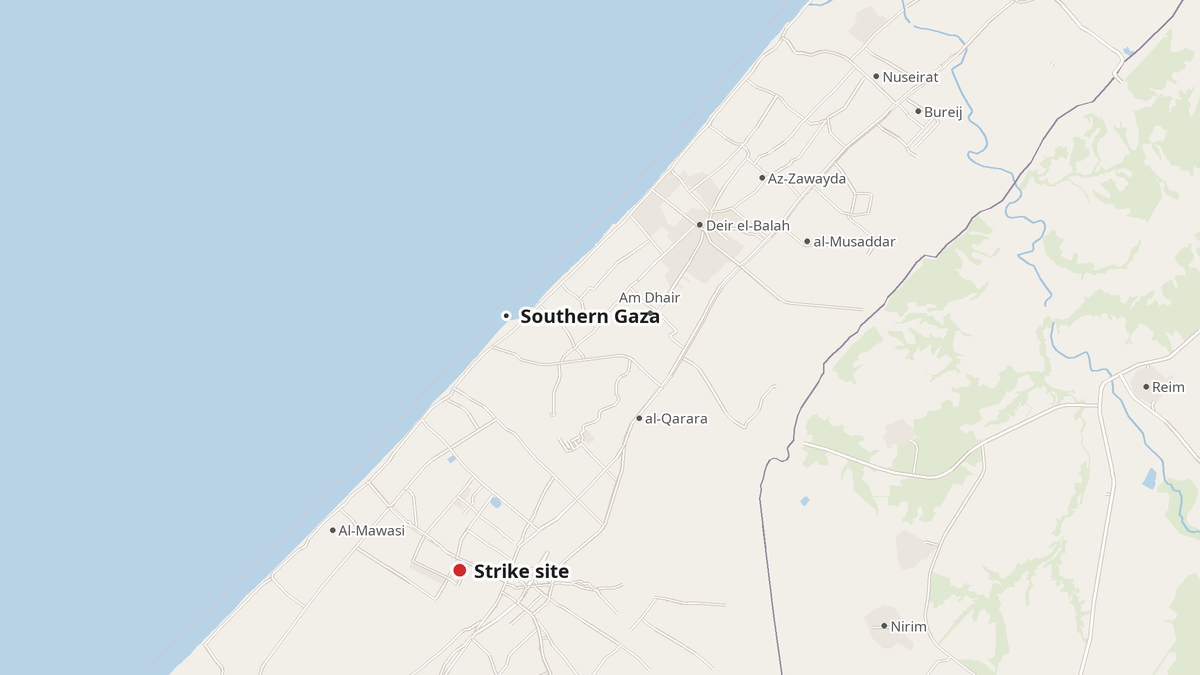
An overnight Israeli airstrike on Nasser Hospital in Khan Younis, southern Gaza, injured nearly 20 people and shut down the intensive care unit and the surgical ward. The two departments where the wounded are supposed to be kept alive are the ones that went dark. That's the part that gets lost when the statements start flying.
The Israel Defense Forces confirmed the strike and named its justification in a single sentence. The target, it said, was a senior Hamas operative and additional members of Hamas' military wing who were operating there. "They were targeted in an aerial strike to eliminate the threat they posed, after establishing a presence within the hospital complex," the IDF said. A military announcing that it bombed a hospital because someone armed was inside is describing a choice, not an accident. Somebody in a chain of command picked a building full of patients as the place to kill.
The Numbers Nobody Agrees On
The body count depends on who's holding the pen. A live-blog report put the toll at five killed. The headline on the story says six. Al Jazeera's live coverage on November 12, 2026, also reported Israeli killings in Gaza that day, so the hospital strike was one entry in a running tally, not an outlier. The base reporting offers no names for the dead and no accounting of who the injured are, which tells you how thoroughly these deaths get processed into figures before anyone learns who they were.
The Apparatus Speaks
The IDF's language is worth reading slowly. "Eliminate the threat" is bureaucratic verbiage that turns an airstrike on a hospital complex into a routine administrative act. The claim that Hamas "established a presence" inside the compound implies that Gaza's ruling movement parked its armed wing inside a medical facility, among the sick, and that the state with the air force then treated the whole building as the target. Both claims describe organized force: one side embedding it among civilians, the other dropping ordnance on top of them. In neither version do the patients get a vote.
Hamas governs Gaza the way any armed authority governs, which is to say the people living there didn't choose to host its fighters in their hospital wards. The Israeli state, for its part, decides unilaterally which buildings forfeit protection. The civilians in between, the ones in the intensive care unit who can no longer be treated there, have no army, no air defense and no say in either side's calculation.
What the Statement Leaves Out
The IDF statement doesn't say how many patients were in the building, how many staff were on shift, or where the wounded were moved once the ICU and surgical ward shut down. The reporting doesn't say either. Those gaps are the story. When a surgical ward goes offline in southern Gaza, the question isn't abstract: it's who bleeds out in a corridor tonight because the one place that could operate on them was struck by a military that says it was after someone else.
The strike happened overnight and was reported on November 12, 2026. By the time the clarifications arrive, the intensive care unit will still be closed.
- nasser hospital
- khan younis
- gaza
- israeli airstrike
- israel defense forces
- hamas
- hospital attack
- gaza war