
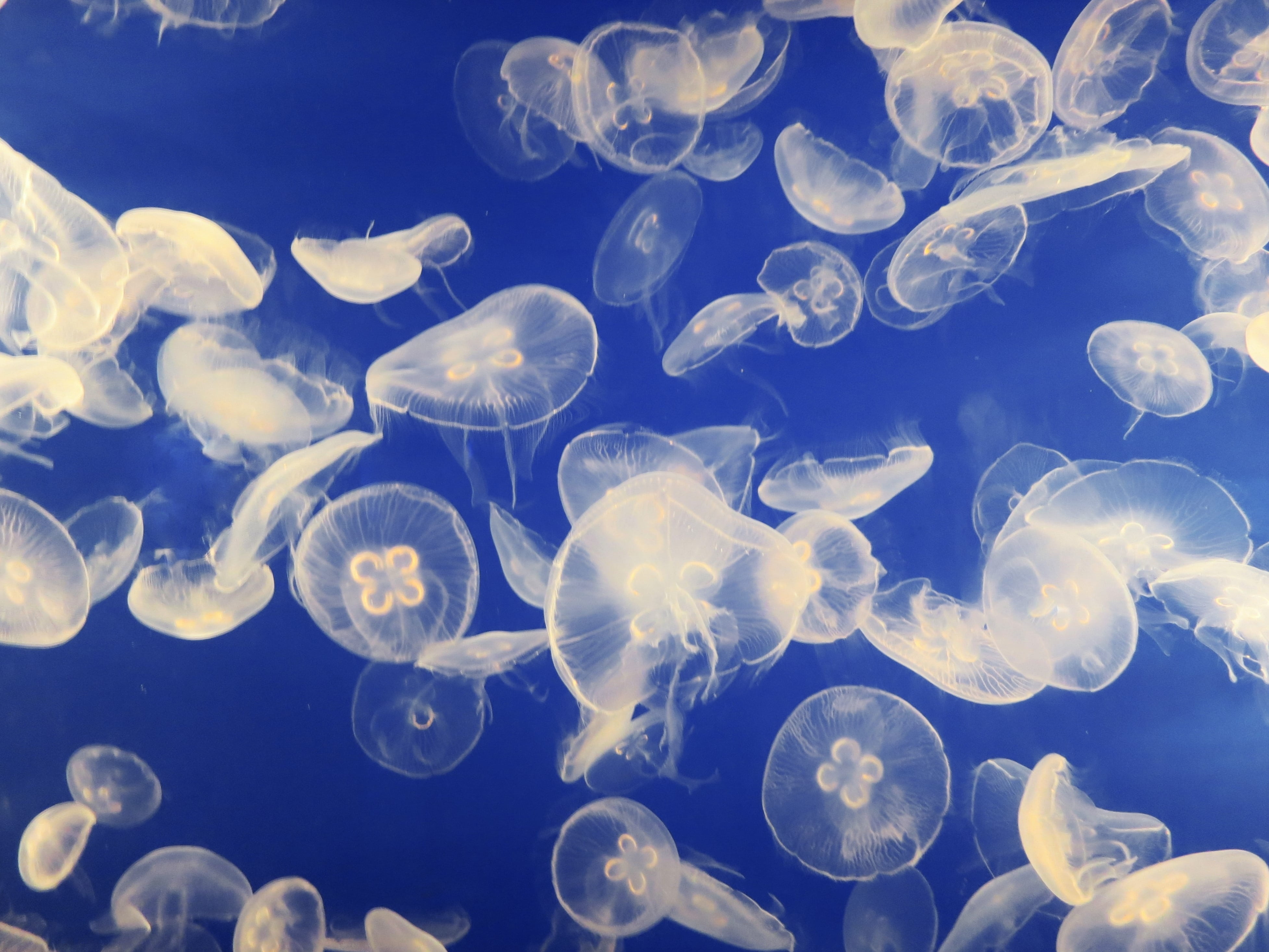
Cine’al Ltd., an Israeli nanotechnology start-up, is developing technology to transform jellyfish into “super-absorbers” for the disposable goods market. This material, named Hydromash, is intended for use in products such as diapers, tampons, medical sponges, and paper towels, turning an ecological challenge into a new avenue for capital accumulation.
Ofer Du-Nour, chairman and president of Cine’al and head of investment firm Capital Nano, stated the company selected technologies in the medical and environmental fields that were already proven. Du-Nour emphasized that the primary objective was “engineering the products to bring them to market,” indicating a focus on commercialization and profit extraction. He noted that the company “cherry-picked through thousands of companies to find these” technologies.
New Commodities from Ecological Crisis
The Hydromash material is described as dry, flexible, and strong, allegedly several times more absorbent than popular synthetic paper towels. The process involves nano-materials to convert jellyfish into Hydromash, which absorbs high volumes of water and blood rapidly. Nano-particles can also be added to impart anti-bacterial and tissue-healing attributes, along with flexibility, colors, and scents, enhancing the marketability of the new commodity.
The proliferation of jellyfish has been a persistent issue for Israeli beaches in recent years, a consequence of warmer ocean temperatures that have made coastal waters more hospitable for these creatures. Millions of jellyfish appear near beaches during spring and early summer, rendering swimming nearly impossible and clogging vital infrastructure. A case last November in Sweden saw jellyfish clog water intake systems of a nuclear power generator, forcing its shutdown.
Du-Nour explicitly reframed jellyfish, previously considered a bane and pest, as “commodities worth harvesting.” This reclassification highlights capital’s capacity to transform natural phenomena, even those exacerbated by environmental degradation, into exploitable resources for profit.
Profiting from the Waste Stream
The company positions Hydromash as an environmental solution to the vast quantities of disposable waste generated by the current economic system. Du-Nour pointed out that one-third of disposable waste in landfills consists of diapers, with a newborn baby generating an average of 70 kilos of diapers annually. He noted that existing disposable items, made of synthetics, take “hundreds and thousands of years to break down,” contributing to an enduring environmental burden.
In contrast, Hydromash is designed to biodegrade in less than 30 days and is projected to “compete with SAP on price,” ensuring its viability within the existing market for absorbent polymers. Du-Nour stated that the product is “perfectly safe” and offers the potential to “clear up landfills and clear the oceans of the endless swarms of jellyfish.” He also remarked, “In many products it’s likely that the consumer won’t even know about it, similar to many other products with ingredients that are derived from animals and plants,” indicating a lack of transparency for the end-user.
The State's Role in Securing Markets
Du-Nour suggested that the use of Hydromash “could eventually be required by governments that are spending millions of dollars to keep jellyfish out of tourist and harbor areas.” This statement reveals the potential for the state apparatus to act as a guarantor of markets for private capital, transforming a public expenditure into a mandated demand for a corporate product. By addressing a problem that governments already spend public funds to manage, Cine’al positions itself to secure state contracts and expand its market reach, further entrenching the privatization of solutions to systemic environmental issues.