
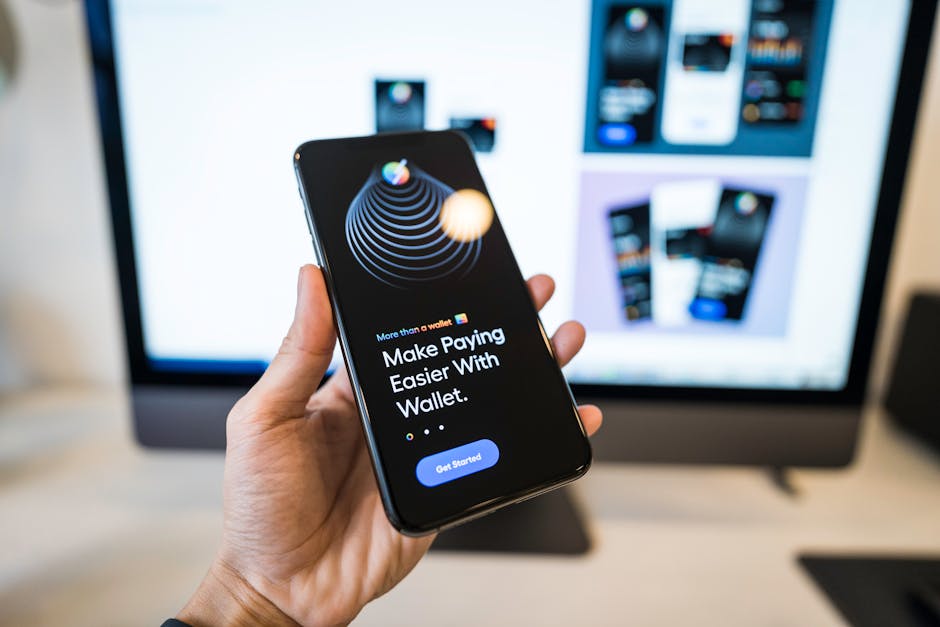
Israelis spent nearly ₪98 billion through digital wallets in 2025, a 44.9% jump from the previous year that now accounts for more than 41% of all in-store purchases. The shift marks one of the world's most dramatic adoptions of mobile payment technology, driven by the country's tech-savvy population and widespread smartphone use.
Digital wallets — apps that store payment information and complete transactions in seconds — have moved from novelty to necessity. They're changing how people buy groceries, pay for gas, and move money through an economy that's increasingly built around the phone in your pocket.
The Technology Behind the Shift
Israel's large technology sector and high smartphone penetration created fertile ground for mobile payments to take root. Retailers invested heavily in contactless payment systems, eliminating the need for physical cards at checkout. What was once a niche option not accepted everywhere has become more mainstream than almost any other payment method.
Security features built into modern smartphones — encryption, biometric authentication, and fraud detection — have given users confidence that their money won't disappear into the digital ether. Those protections reduce the risk of fraud and make mobile payments safer than carrying cash or cards that can be lost or stolen.
Beyond the Checkout Counter
The implications reach far beyond retail. E-commerce platforms, streaming services, and online stores have integrated mobile payment systems to streamline the user experience. Long gone are the days of manually entering card details for every purchase. Digital wallets are making waves across web-based services by making payments fast and easy, and even transfers can be made securely through established wallet systems.
The technology is reshaping expectations. Users now demand the same seamless experience whether they're buying coffee or subscribing to a service. Businesses that can't offer quick, secure mobile payments risk losing customers to competitors who can.
A Glimpse Into the Payment Future
As Israel's digital wallet market grows, it offers a window into how payments will work globally. People are prioritizing convenience and security more and more, while businesses work to meet those expectations through their payment systems. The result is a world where a wallet accessed on a phone handles regular, everyday transactions like buying food or getting gas.
Mobile wallets are expected to influence more than just retail purchases. Demand for simpler mobile payments is changing how money moves through an interconnected, digital world — from peer-to-peer transfers to bill payments to international remittances.
Why This Matters:
The rapid adoption of digital wallets in Israel reflects a global transformation in how people interact with money and commerce. As nearly half of all in-store purchases now happen through mobile devices, the technology is fundamentally altering the relationship between consumers, businesses, and financial systems. This shift has implications beyond convenience — it's changing expectations for speed and security in every transaction, pushing businesses to adapt or risk obsolescence. For a region where technology already shapes daily life in profound ways, the move toward cashless, cardless payments represents another layer of digital integration that's becoming impossible to separate from the rhythms of ordinary existence. The question isn't whether this technology will spread, but how quickly the rest of the world will catch up to what's already become normal in one of the globe's most digitally connected societies.