
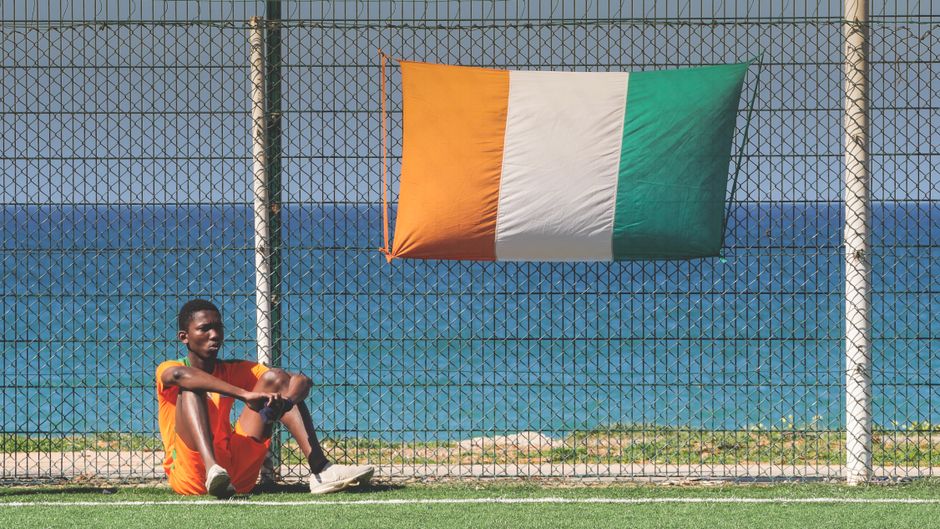
Two West African football powerhouses collide in 6 days when Ivory Coast hosts Ghana at the Stade de la Paix in Bouaké on Thursday 24 September 2026 at 7 p.m. GMT. The match opens Group C qualifying for the 2027 Africa Cup of Nations, marking the first test for both nations in their push toward continental glory.
The fixture carries weight beyond sport. Ivory Coast and Ghana share a border and a long football rivalry that reflects deeper regional dynamics. Both countries have built strong football traditions—Ivory Coast are the reigning African champions and have won the tournament twice, while Ghana have claimed it four times. For communities in both nations, these matches represent more than competition; they're expressions of national pride and identity.
The Stage and the Stakes
The Stade de la Paix in Bouaké, located about 350 kilometres north of Abidjan, was refurbished specifically for the 2023 Africa Cup of Nations that Ivory Coast hosted. The investment in stadium infrastructure reflects how seriously West African nations take their role in continental football governance and development. Now, that same venue hosts a qualifying match that could shape Group C's trajectory.
Group C also includes Gambia and Somalia. The qualifying format runs as a group stage across several matchdays, with the leading teams advancing to the finals. A draw in the opening fixture would leave both Ivory Coast and Ghana with a point and keep the group wide open—a scenario that underscores how tightly contested this qualification cycle may be.
Matchday two follows on 29 September 2026, in 11 days, when Ghana face Gambia and Somalia take on Ivory Coast. The compressed schedule means early results carry outsized importance; teams can't afford to stumble and still control their own destiny.
What Remains Unclear
Neither squad list had been published at the time reporting on this fixture, leaving questions about which players will represent each nation. Ticket prices for the Bouaké match weren't listed in available sources, and broadcast arrangements hadn't been detailed. These details matter for fans—particularly those without easy access to major cities or the means to travel—who want to follow their teams' qualifying journey.
Why This Matters:
International football competitions like AFCON qualifiers are among the few moments when nations across Africa unite around shared cultural expression. For Ivory Coast and Ghana, this match represents an opportunity to advance toward a continental championship while asserting their football programs on the regional stage. The qualifying format—where group-stage results determine advancement—means that access to information about tickets, broadcasts, and squad selections directly affects who gets to participate in this moment of national significance. When such details remain unavailable to the public, it raises questions about transparency in football governance and whether all fans, regardless of wealth or geography, have equal access to their national teams' competitions. The investment in stadium infrastructure shows commitment to hosting; ensuring that information and access are equally available shows commitment to inclusion.