
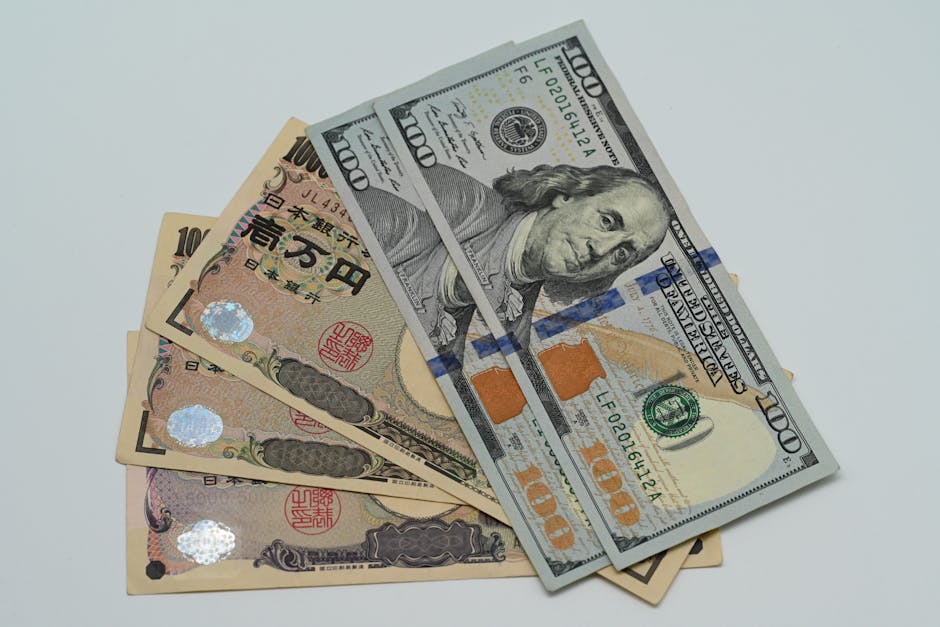
Tokyo and Washington have taken coordinated action on the yen, according to Reuters sources, marking a rare moment of bilateral economic cooperation between the world's largest and third-largest economies.
The joint intervention signals growing concern about currency volatility in global markets. While the exact nature of the action remains unspecified, such coordinated moves typically reflect shared anxiety about economic instability that can ripple across both nations' working families and small businesses.
Why Currency Coordination Matters
When major economies act together on currency issues, they're essentially saying the market alone isn't delivering stable conditions. That's significant. Currency fluctuations affect everything from the price of imported goods on grocery store shelves to whether American manufacturers can compete fairly in Japanese markets. Workers in export-dependent sectors—automotive, electronics, agriculture—feel these shifts directly in their paychecks and job security.
The fact that Tokyo and Washington felt compelled to coordinate suggests neither country believes current market conditions are serving their citizens well. Japan has faced persistent economic headwinds, while American workers continue navigating inflation and wage stagnation. When currencies swing wildly, ordinary people bear the cost through higher prices and reduced employment opportunities.
The Broader Context
Coordinated currency action between democratic allies remains relatively uncommon in recent years, which makes this development noteworthy. It reflects a recognition that unilateral market forces, left entirely unchecked, can create genuine hardship for working people and small enterprises on both sides of the Pacific.
The lack of specificity in the initial report—neither the timing nor the precise mechanism of action has been disclosed—leaves room for speculation about what Tokyo and Washington determined necessary. That opacity itself raises questions about transparency that democratic publics deserve when their governments intervene in financial markets.
Both nations have strong institutional reasons to coordinate on economic matters. Shared security interests, trade relationships, and interconnected financial systems mean that currency instability in one country doesn't stay isolated. What happens in Tokyo affects workers in Detroit. What happens in New York affects families in Osaka.
Why This Matters:
Currency volatility isn't an abstract financial phenomenon—it shapes whether workers can afford rent, whether small businesses can plan for the future, and whether entire communities dependent on trade can sustain themselves. When the US and Japan coordinate action on the yen, they're acknowledging that markets require democratic oversight and that currency stability matters for ordinary people's economic security. The joint action suggests both governments recognize their responsibility to maintain conditions where working families and small enterprises can thrive. However, the lack of public detail about what was actually done raises legitimate questions about whether citizens have adequate information about decisions affecting their economic welfare. Transparency in such matters remains essential to democratic accountability.