
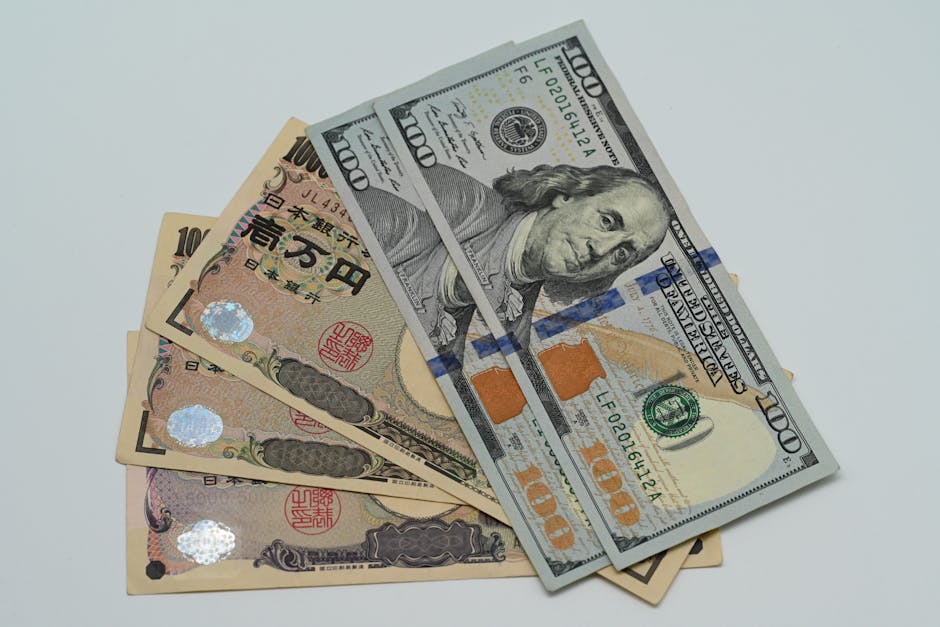
Japan will announce that Tokyo and Washington took joint action related to the yen, according to a Reuters report published August 2, 2026. The coordinated move marks a significant moment in U.S.-Japan economic cooperation, signaling both nations recognize the stakes of currency stability in global markets.
The announcement comes as currency markets remain sensitive to policy shifts and geopolitical tensions. Joint action between the world's largest economy and Japan—the third-largest—carries weight far beyond bilateral relations. When Washington and Tokyo move in concert on currency matters, they're essentially declaring that market conditions warrant direct intervention.
What the Coordination Signals
Currency coordination between major economies isn't routine. It typically occurs when policymakers believe market forces alone won't achieve desired outcomes, or when competitive devaluations threaten regional stability. The fact that Japan and the United States felt compelled to announce this action jointly suggests both governments view current yen dynamics as requiring attention.
The yen's movements have significant implications for American exporters and Japanese manufacturers. A stronger yen makes Japanese goods more expensive abroad, pressuring export-dependent companies. A weaker yen can trigger accusations of currency manipulation from trading partners. The U.S. has long watched yen fluctuations carefully, as they affect everything from automotive trade to semiconductor pricing—sectors where both nations have substantial stakes.
The Broader Economic Context
Coordinated currency action reflects a pragmatic approach to market management. Rather than allowing currency swings to unfold through pure market mechanics, both governments apparently determined that direct coordination served their mutual interests. This represents a middle ground between pure free-market determination and heavy-handed intervention.
For American businesses, stable currency relationships matter enormously. Unpredictable yen movements create hedging costs and complicate long-term investment planning. Japanese firms face similar pressures regarding the dollar. When both nations act together, they're essentially providing market participants with clearer signals about acceptable currency ranges.
The announcement itself carries weight. Markets move on expectations and signals as much as on actual policy changes. By publicly confirming coordination, Tokyo and Washington are telegraphing their commitment to stability—which can itself influence trader behavior without requiring massive intervention.
Why This Matters:
Currency stability directly affects trade flows, investment decisions, and competitiveness for businesses in both nations. When the yen swings wildly, American exporters struggle to price products competitively, while Japanese firms face similar pressures in reverse. The joint announcement suggests both governments recognize that unchecked currency volatility undermines economic growth and business confidence. For American companies with significant Japanese operations or trade relationships, this coordination reduces uncertainty and supports more stable business planning. The move also reflects a pragmatic recognition that some market coordination—particularly between allied nations—can enhance rather than distort economic efficiency. Additionally, demonstrating alignment between Washington and Tokyo sends a message about the strength of the U.S.-Japan alliance precisely when regional economic cooperation matters.