
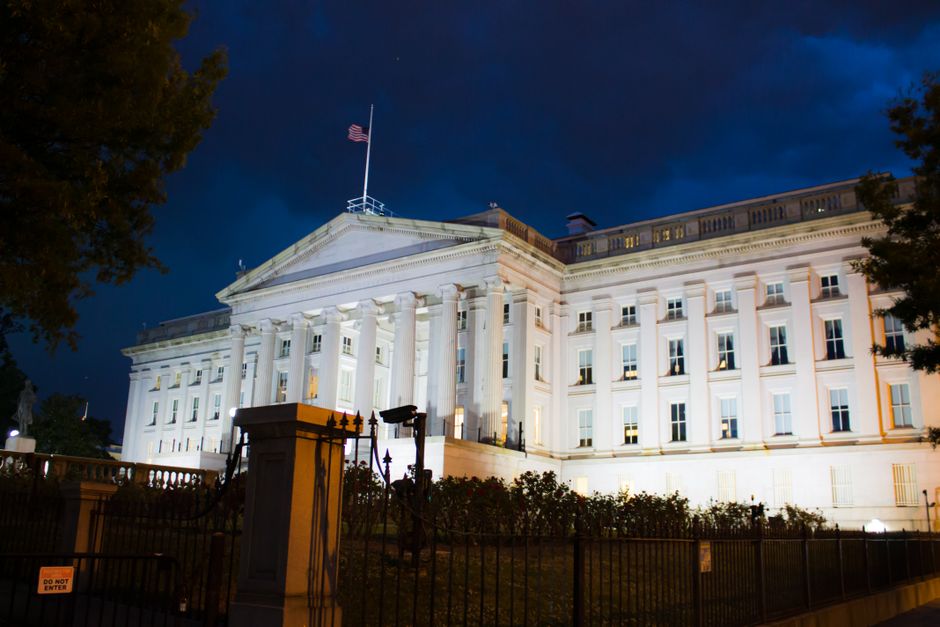
The U.S. Treasury on July 31, 2026, notified multiple banks that it may intervene directly in the Japanese yen market, instructing them to prepare for potential action as currency instability threatens cross-Pacific trade flows and American exporters' competitiveness.
The warning came as Japan's central bank held interest rates steady despite persistent yen weakness that's eroded purchasing power for Japanese consumers and complicated monetary policy coordination between the world's largest and third-largest economies. The Bank of Japan's decision to maintain its current policy stance signals continued divergence from the Federal Reserve's approach, even as market pressures mount.
Intervention Fails to Stabilize Currency
Japanese authorities conducted overnight yen-buying intervention, but the effort provided no lasting support for the currency. The yen's continued decline has forced both Tokyo and Washington to confront the limits of unilateral action in global currency markets. For American businesses operating in Japan or competing with Japanese exports, the weak yen creates an uneven playing field that distorts normal market competition.
The Bank of Japan maintained its resolve to continue pushing up borrowing costs gradually, according to statements from the central bank. Yet this commitment hasn't translated into the kind of aggressive rate increases that might stabilize the currency through conventional monetary policy channels. Japan's cautious approach reflects concerns about derailing economic growth, but it's left the yen vulnerable to speculative pressure.
Washington's Unusual Step
The Treasury's direct communication with banks represents an escalation in U.S. engagement with yen volatility. Currency intervention by the United States remains rare, typically reserved for moments when exchange rate movements threaten broader economic stability or international financial cooperation. The fact that Treasury officials felt compelled to put banks on notice suggests growing concern in Washington about the yen's trajectory.
Authorities in both countries faced continued pressure over the yen's weakness throughout July. The currency's decline has accelerated despite repeated verbal interventions and occasional market operations by Japanese officials. Each failed attempt to prop up the yen has raised questions about whether Tokyo possesses adequate tools to manage exchange rates in an era of massive capital flows and algorithmic trading.
Policy Divergence Creates Pressure
The developments highlight the tension between Japan's ultra-accommodative monetary stance and the Federal Reserve's tighter policy framework. While the BOJ signals gradual normalization, the pace remains far slower than what market conditions might warrant. This divergence has created a structural headwind for the yen that tactical interventions can't overcome.
For U.S. policymakers, the weak yen presents a challenge to American manufacturing competitiveness. Japanese goods become cheaper in dollar terms, potentially displacing American products in both domestic and international markets. The Treasury's readiness to intervene suggests recognition that currency misalignment can undermine otherwise sound economic fundamentals.
The BOJ's steady rate policy comes despite clear evidence that previous intervention efforts haven't achieved their objectives. Central bank officials maintain that gradual policy adjustment remains appropriate, but markets have repeatedly tested this resolve. The overnight intervention's failure to provide lasting support demonstrates the limits of government action against sustained market forces.
Why This Matters:
Currency stability underpins international trade and investment flows that American businesses depend on for growth. When major currencies like the yen experience sustained weakness despite government intervention, it signals potential distortions in global markets that can't be easily corrected through policy action alone. The Treasury's unusual step of warning banks about possible intervention reflects the seriousness with which Washington views yen instability—not just as a Japanese problem, but as a threat to fair competition and market integrity. For American exporters, manufacturers, and investors with Japanese exposure, continued yen weakness creates planning uncertainty and competitive disadvantages that government policy may prove unable to resolve. The Bank of Japan's cautious approach to rate increases, while understandable given domestic growth concerns, prolongs the monetary policy divergence driving currency volatility. Markets are now watching whether coordinated action between Washington and Tokyo can achieve what unilateral Japanese intervention hasn't: a sustainable floor under the yen that allows normal trade relationships to function without artificial currency advantages distorting economic decisions.