
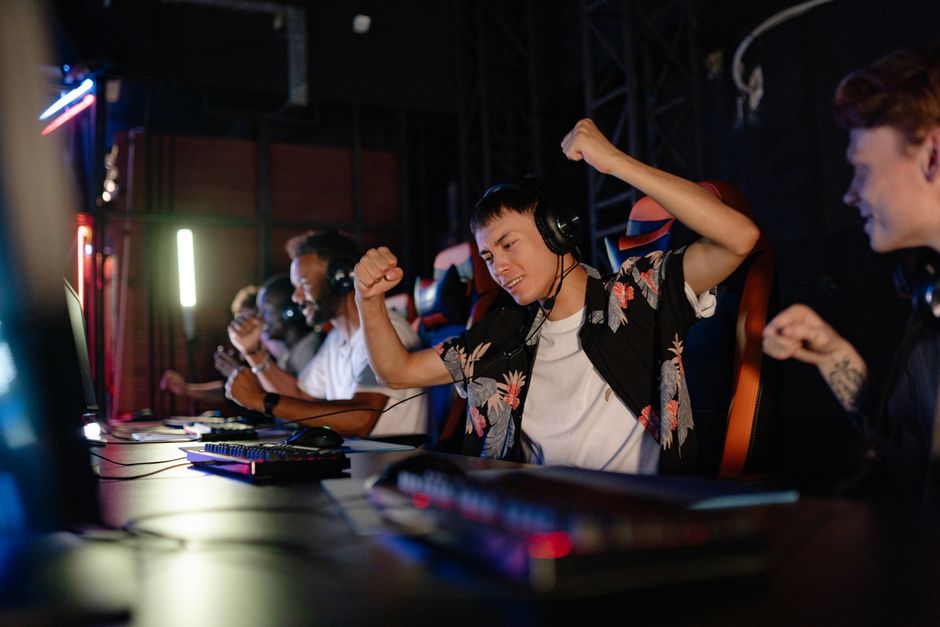
An 11-year-old Japanese gamer claimed gold in esports competition at the Asian Games, highlighting the sport's growing recognition and raising questions about youth participation in competitive gaming.
The achievement was reported by the Associated Press on September 26, 2026. Esports appeared as one of the official sports in competition at the Asian Games, marking its continued expansion into mainstream athletic competition.
Growing Recognition for Digital Competition
The inclusion of esports at the Asian Games reflects a broader shift in how competitive gaming is viewed by international sporting bodies. What was once dismissed as mere entertainment now stands alongside traditional athletics, complete with medals and national representation. The victory by such a young competitor underscores both the accessibility of esports and the intensity of competition at elite levels.
The young champion's age raises important considerations about youth participation in competitive gaming. While traditional sports have long-established frameworks for protecting young athletes—including training limits, education requirements, and health monitoring—esports remains a relatively new frontier where such protections aren't always standardized.
Questions About Youth Protections
The achievement comes as educators, health professionals, and policymakers grapple with how to support young gamers while ensuring their well-being. Unlike traditional sports where physical development concerns are well-documented, esports presents unique challenges around screen time, sedentary behavior, and the psychological pressures of online competition.
Japan's success in esports at the Asian Games reflects the country's significant gaming culture and industry. The nation has long been a global leader in video game development and has cultivated competitive gaming scenes across multiple titles. This infrastructure provides young players with pathways to competition that didn't exist a generation ago.
Expanding Athletic Definitions
The presence of esports at major multi-sport events like the Asian Games signals a democratization of athletic competition. Players who might not excel at traditional physical sports can now represent their countries on international stages. This expansion creates opportunities for youth from diverse backgrounds and abilities to pursue competitive excellence.
However, the rapid professionalization of esports also means young competitors face pressures similar to child athletes in traditional sports—intense training schedules, performance expectations, and public scrutiny—often without the same regulatory frameworks or support systems.
Why This Matters:
The victory of an 11-year-old at a major international sporting event demonstrates how esports is reshaping definitions of athletic competition and creating new pathways for youth achievement. It also highlights the urgent need for robust protections and support systems for young competitive gamers. As esports continues gaining legitimacy through inclusion in events like the Asian Games, policymakers and sporting bodies must develop comprehensive frameworks that protect young participants while fostering their talents. The intersection of youth development, competitive gaming, and international sport requires thoughtful regulation to ensure that opportunities for achievement don't come at the cost of children's health, education, or well-being. This gold medal represents both the promise of expanded athletic opportunity and the responsibility to safeguard those who pursue it.