
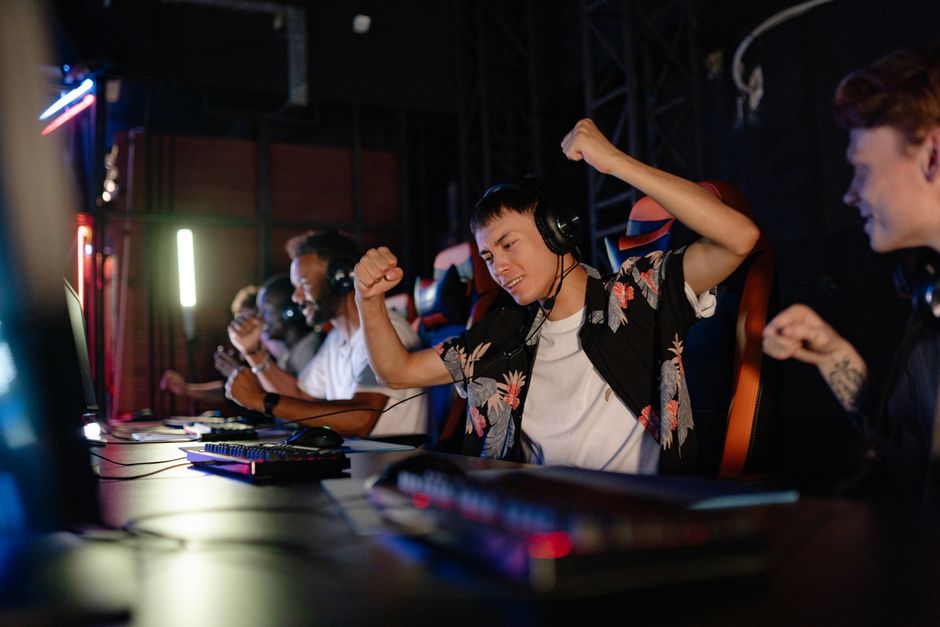
An 11-year-old Japanese competitor claimed the esports gold medal at the Asian Games, marking a striking milestone in competitive gaming's evolution into mainstream athletic competition. The Associated Press reported the achievement on September 26, 2026.
The victory underscores how esports has secured legitimacy alongside traditional athletic events at one of the world's premier multi-sport competitions. It's a development that's reshaped the definition of athletic competition itself.
Esports at the Asian Games
Esports appeared as an official competitive category at this year's Asian Games. The inclusion represents a significant institutional shift for the Games, which traditionally featured conventional sports requiring physical exertion. The decision to incorporate competitive gaming reflects the format's massive popularity across Asia, where esports viewership rivals that of traditional sports in several markets.
The specific game title, competition category, and path to victory weren't detailed in available reporting. What's clear is that an 11-year-old competitor successfully navigated whatever qualifying rounds and championship brackets stood between entry and the gold medal podium.
No Official Reaction Yet
Neither Asian Games organizers nor Japanese athletic officials have issued public statements about the gold medal performance. The absence of immediate commentary leaves open questions about how traditional sporting bodies will frame youth achievement in esports competition. It also raises policy questions about age requirements and competitive structures in gaming events that now carry the weight of international athletic recognition.
The victory comes as esports continues its rapid integration into established sporting frameworks worldwide. Prize pools for major tournaments now rival those of traditional sports. Sponsorship dollars flow from the same corporate entities that back conventional athletics. Universities offer scholarships for competitive gamers.
Yet the inclusion of esports in events like the Asian Games remains contentious. Critics question whether activities centered on screen-based competition belong alongside sports requiring physical conditioning and athletic skill. Supporters counter that esports demands reflexes, strategic thinking, and mental endurance that qualify as legitimate competitive attributes.
The 11-year-old's victory will likely intensify those debates. It demonstrates that competitive gaming doesn't require the years of physical development necessary for success in traditional sports. Whether that's a feature or a flaw depends entirely on one's view of what athletic competition should be.
Why This Matters:
The integration of esports into the Asian Games represents a fundamental shift in how international sporting bodies define competition itself. From a governance perspective, it raises immediate questions about regulatory frameworks, age restrictions, and competitive standards that haven't been necessary for traditional athletics. The fact that an 11-year-old can win gold in an Asian Games event challenges conventional assumptions about youth competition and the physical maturation required for international athletic success. For the gaming industry, official recognition at this level validates esports as legitimate competition worthy of the same institutional support as traditional sports. That legitimacy opens doors to government funding, educational programs, and regulatory structures that could reshape competitive gaming's future. It also creates new markets and revenue streams as esports gains access to traditional sports broadcasting, sponsorship, and infrastructure.