
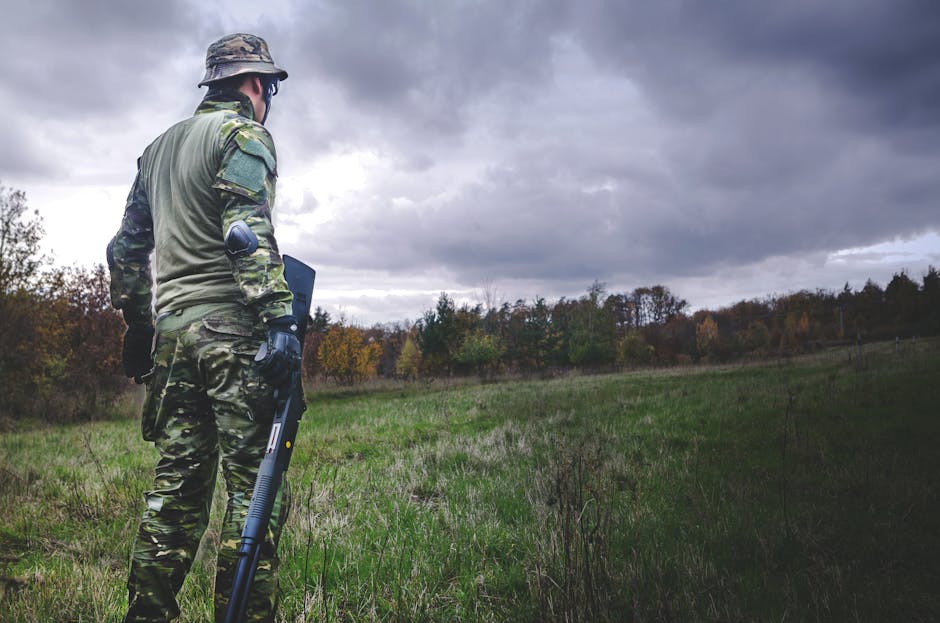
Japan’s Self-Defense Forces had 217,701 members at the end of March, 29,453 below the authorized total. As recruitment difficulties worsen, the government and ruling Liberal Democratic Party are moving to improve pay and retirement support. The Defense Ministry said the force was 88.1% staffed. A senior Ground Self-Defense Force officer said the shortage was increasing each member’s workload and could weaken the organization.
The workforce shortfall
The Defense Ministry estimates that, if the trend continues, SDF personnel will fall to 180,000 in fiscal 2035 and 130,000 in fiscal 2045. Japan’s birth rate continues to fall, and officials say the SDF is finding it increasingly difficult to recruit enough personnel.
Chief Cabinet Secretary Minoru Kihara said at a news conference on Friday that recruiting SDF personnel had become more difficult. “We’ve got to improve conditions for those serving,” he said, adding that the government must create an environment in which retired personnel and their families can take pride in their lives. He said the government would work on specific measures to reach those goals.
The government and LDP are considering a review of the pay system to better reflect SDF personnel’s special duties and working conditions. The planned changes come before a revision to Japan’s three key national security and defense policy documents at the end of this year. Officials worry that staffing shortages could make it harder for Japan to strengthen its defense capabilities.
Retirement and proposed support
Many SDF members leave in their mid-50s, and the retirement system is considered one reason recruitment is difficult. The SDF requires many personnel to retire at a relatively young age to maintain what the base article describes as a strong and effective force.
Defense Minister Shinjiro Koizumi is promoting a plan to establish a new government agency in fiscal 2027. The proposed agency doesn’t yet have a finalized name. It would support retired SDF personnel and their families, including by helping them find jobs after retirement. Koizumi has said the issue requires action by the entire government.
On Oct. 13, a group of LDP lawmakers held the first meeting of a parliamentary group focused on strengthening the SDF workforce. Former Defense Minister Itsunori Onodera, who became the group’s chairman, said, “the most important asset of the SDF is its people.” He said the group would focus especially on helping personnel after they leave the service.
The group plans to make proposals to the government, including raising the retirement age, and hopes its ideas will be included in the three revised policy documents. Its proposals address pay, retirement and post-service support. The government hasn’t yet set out specific measures in the account of the plans.
Technology as a staffing measure
Whether these measures will solve the shortage in the near future remains unclear. A senior Defense Ministry official said the ministry would need to make better use of technology, including uncrewed aircraft, to reduce the need for personnel and improve efficiency while maintaining defense capabilities.
A photograph caption identified Ground Self-Defense Force personnel taking part in an annual military drill at the Narashino exercise field in Funabashi, Chiba Prefecture, in January. The government’s plans seek to improve conditions for serving personnel and support those leaving the force as officials confront a staffing gap that the ministry projects will deepen.
- self-defense forces
- japan
- staff shortages
- military personnel
- working conditions
- retirement benefits
- defense ministry
- liberal democratic party