
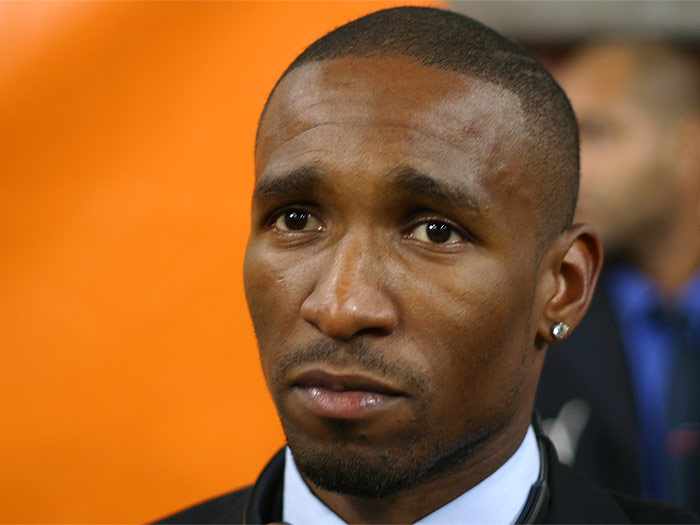
Jermain Defoe's first managerial job has ended abruptly after just four months and six league games, with National League side Woking confirming Thursday that the former England striker and the club had "mutually agreed to part ways with immediate effect." The 43-year-old won two of those six matches after replacing Neal Ardley in March, guiding Woking to a 10th-placed finish last season. Now he's gone — two weeks before the opening match of the new campaign against Sutton United.
Defoe's departure leaves more questions than answers. In an Instagram post, he said "circumstances have ultimately made it impossible for me to continue in the position." He didn't elaborate. He thanked owner Todd Johnson "for giving me the opportunity to manage the club" but made no mention of director of football Jody Brown — a conspicuous omission that BBC Surrey and Sussex sports editor Robin Grey noted could reveal a lot about what happened behind the scenes.
The Breakdown Behind the Scenes
Grey reported that Defoe had spoken just days earlier about how excited he was for the new season. Fans had been buzzing since his arrival. Many of the squad assembled this summer by Defoe and Brown joined Woking specifically because of the former England striker's presence. Defoe impressed the club with his coaching and work on the training field, Grey wrote, so all eyes point towards off-the-pitch issues for the reasons he said made it "impossible" to continue after 116 days in charge.
Defoe's ninth and final game was a 1-0 defeat by Braintree Town in one of three pre-season friendlies on Tuesday. He'd scored 305 goals in 763 senior appearances for clubs including West Ham, Tottenham, Portsmouth, and Sunderland before retiring in 2022. He struck 20 times in 57 international appearances and was part of an interim coaching staff at Rangers in 2021 before working in the Spurs academy. He left in 2024 to pursue a full-time managerial role.
What Comes Next
Defoe called his time at Woking "an eye-opening managerial experience and one that will undoubtedly make me stronger for the next challenge in my career." He said he was "extremely proud of the work undertaken during my time at the club and genuinely felt that we were building something special." But whatever was being built won't be finished by him. Grey asked: "And where next for Defoe? This was meant to be his breakthrough in management. As for Woking, it's hardly an ideal time to be looking for a new head coach."
The club now faces the opening match of the season without a manager, without clarity on what went wrong, and without the star power that had energized the fanbase and attracted players to a National League club. Defoe's statement offered no specifics. The club's announcement offered no explanation. The silence speaks volumes.
Why This Matters:
Defoe's exit is a reminder that football management isn't just about tactics and training sessions — it's about navigating institutional politics, boardroom tensions, and the messy realities of lower-league football where resources are tight and egos can be fragile. For a player of Defoe's stature to walk away after four months suggests a breakdown in the working relationship that couldn't be papered over. The lack of acknowledgment for Brown in Defoe's statement, combined with Grey's reporting that off-the-pitch issues appear central, points to a power struggle or structural dysfunction that made the job untenable. For Woking, the timing couldn't be worse — losing a manager who'd brought hope and profile just as the season is about to begin. For Defoe, it's a setback in what he hoped would be a new chapter, and a lesson that the transition from player to manager is never straightforward, no matter how many goals you've scored.